



An agent skills workshop is a live session where you author, install, and stress-test SKILL.md files—not a webinar that redefines prompting with new buzzwords. If the agenda never mentions frontmatter, triggers, or progressive disclosure, you are shopping in the wrong category.
The first two sentences answer the search directly: you want a workshop that ends with your skill file saved, a repeatable test, and a team install path. Everything below helps you vet vendors and know what to build during class.
What is an agent skills workshop?
Anthropic describes Agent Skills as folders of instructions, scripts, and resources that Claude can load when a task matches the skill description. A workshop translates that spec into muscle memory: you map rules versus skills versus context, install skills from a registry or CLI, and write your own SKILL.md with triggers that fire on real prompts.
Credible 2026 sessions share the same spine even when the host differs:
- The AI Launchpad runs a 90-minute small-group build focused on why skills fail to trigger and how descriptions beat bloated bodies (session page).
- iBuildWith.ai spends two hours on progressive disclosure, testing, and debugging ambiguous instructions—explicitly for non-programmers (workshop outline).
- Agent Skill Engineering (Luma) is a full-day developer track on packaging, composing, and production evaluation using Claude Code (event agenda).
None of those replace reading what agent skills are—but a workshop forces the file on disk while an article cannot.
Agent skills workshop curriculum: what serious vendors cover
Use this as a scorecard when you compare agendas. Missing more than two rows is a yellow flag.
| Block | What you should do live | Why it matters |
|---|---|---|
| Three-layer stack | Separate rules, skills, and retrieval context | Stops one megaprompt from rotting |
| Registry install | Pull skills via CLI or product UI, run one task | Proves you can adopt others' work |
| SKILL.md anatomy | Frontmatter, name, description, body sections | Matches Anthropic's packaging model |
| Triggers | Rewrite descriptions until loads are predictable | Most failures are routing, not content |
| Progressive disclosure | Split reference material from core steps | Keeps context focused per Anthropic guidance |
| Skill vs tool | When to use MCP or built-in tools instead | Avoid duplicating API glue inside prose |
| Team playbook | Zip or repo teammates can install | Skills only scale when shared |
| Iteration lab | Fix a skill that misfired on a real prompt | Separates workshops from demos |
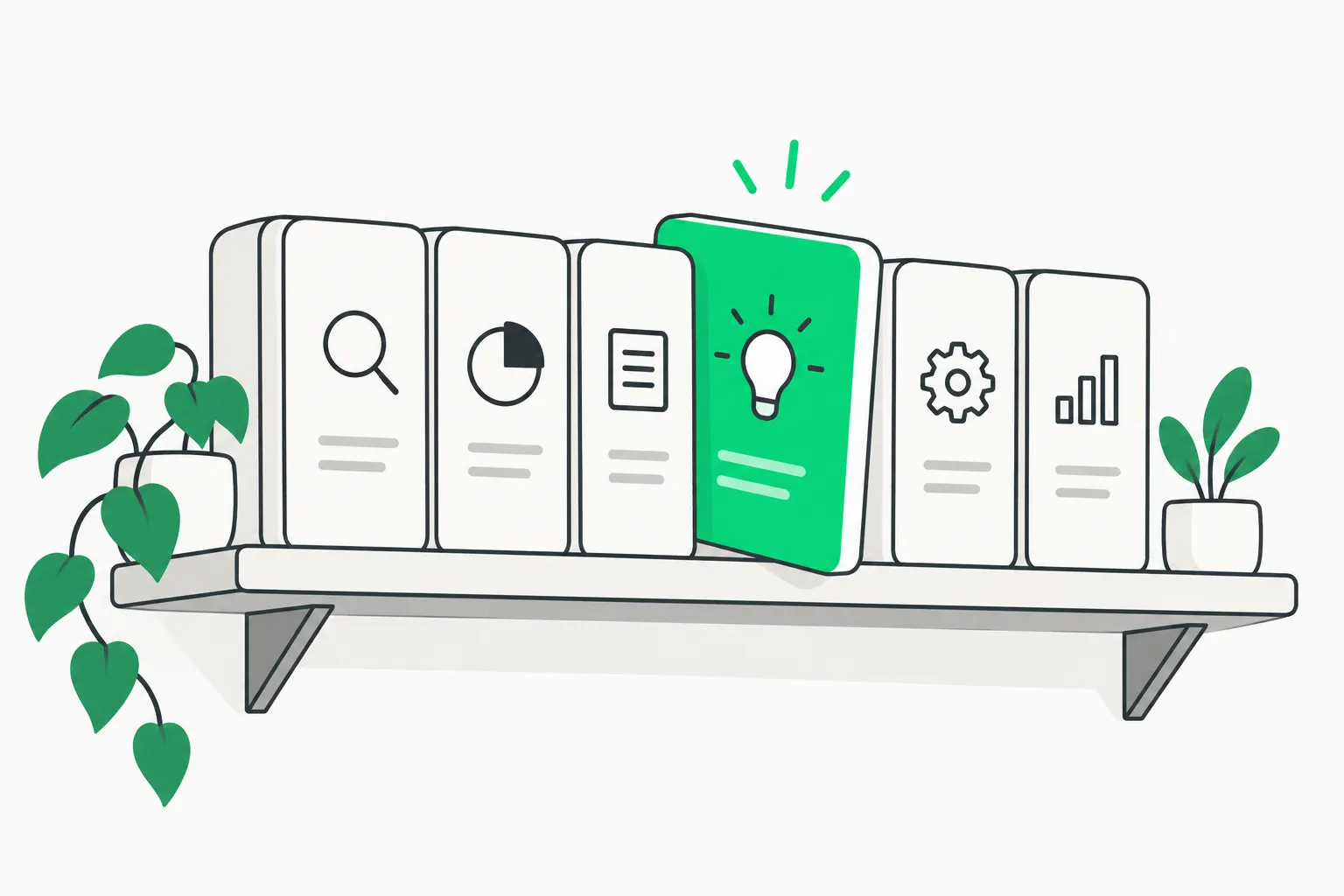 Agent skills workshop learners picking installable skills from a curated registry shelf
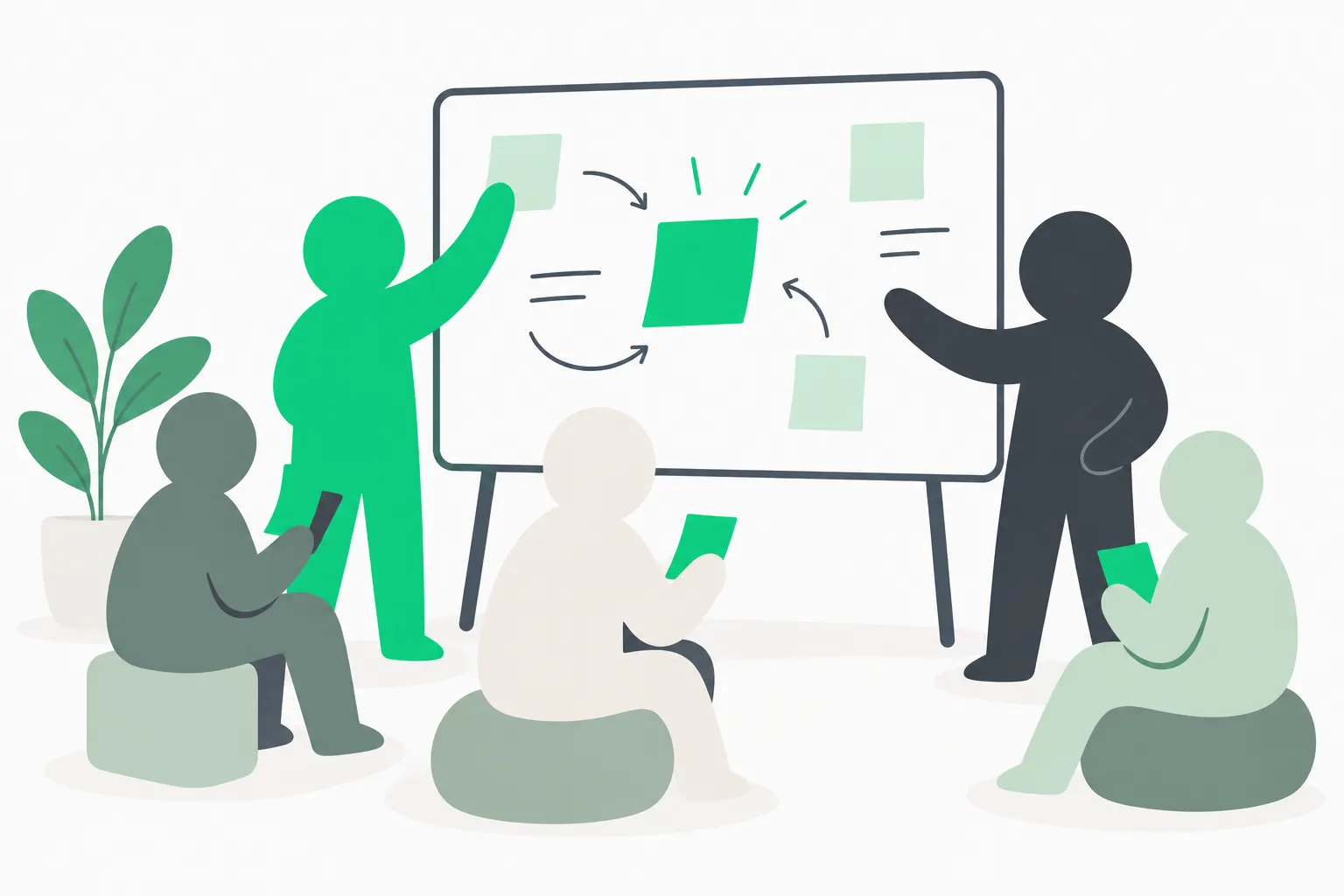 Agent skills workshop learners reviewing SKILL.md structure together
Image: live skills workshop collaboration.
Day-one explainx.ai curriculum in the agent skills workshop cohort mirrors that scorecard: Day 1 installs registry skills for your role (video, Jira, Canva examples in the syllabus); Day 2 authors a custom SKILL.md and packages a team playbook—four hours live plus recordings. That is the shape to compare against any paid vendor.
Progressive disclosure (the idea workshops spend the most time on)
Anthropic's docs emphasize loading only what the step needs. Workshops that skip this teach skills that work once in class and fail on long client briefs. iBuildWith.ai's public outline names the failure mode: stuffing every edge case into one file buries the three instructions that matter. A good lab makes you split a bloated draft into a thin core plus optional reference files, then re-run the same five prompts.
Trigger reliability lab
The AI Launchpad advertises a block on why skills do not fire and how to fix descriptions. That is the highest-value hour for practitioners. Ask any instructor: Show me a skill that failed to load and the exact description change that fixed it. If they cannot, the session is marketing.
Agent skills workshop vs agent skills course
| Dimension | Async course or article | Live agent skills workshop |
|---|---|---|
| Pace | Self-scheduled | Fixed dates |
| Proof | Quizzes, certificates | SKILL.md on disk |
| Debugging | Comments, forums | Screen share on your file |
| Audience mix | Solo | Cohort accountability |
| Cost | Often free | Ticket or corporate seat |
| Best follow-on | Write skills alone | Team playbook rollout |
Free paths still matter. Anthropic's documentation and community guides explain the format; MCP bootcamp material helps when your skill needs live tools. Choose a workshop when Monday's deliverable is a shared skill stack, not personal literacy only.
Compare with live AI workshop formats if you are unsure whether live is worth the calendar block.
How to vet any agent skills workshop in ten minutes
- Search the agenda PDF for
SKILL.md,trigger,progressive, andinstall. Zero hits → likely a generic AI productivity class. - Check prerequisites. Markdown-only is normal. Python or Claude Code day-long labs target engineers (Agent Skill Engineering agenda).
- Ask for a sample skill from a prior cohort—redacted is fine. No artifact → no workshop.
- Confirm recordings and licence. Skills workshops are replay-heavy; you will tweak files after class.
- Match host product. A Cognigy or Copilot Studio session teaches platform agents, not portable SKILL.md skills—valid, but a different search intent (see our AI agent workshop pick guide).
Red flags that mean "skip"
- Only prebuilt demos with no file you edit.
- "Uncensored" or jailbreak skills as the showcase—violates corporate policy and teaches the wrong craft.
- No discussion of when skills should not run (safety and scope).
- Leaderboard bragging without install instructions.
What you should build before you leave
Walk out with these concrete objects, not vibes:
- One domain SKILL.md tied to your job (campaign brief, weekly report, support macro).
- Trigger test log—ten prompts, which loaded the skill, what you changed.
- Installed stack of two to four registry skills you will actually use.
- Team README—how a colleague installs your skill without a call.
- Optional MCP note—if the skill needs Jira or Canva, link which connector you used (MCP primer).
Developers may additionally package skills for Claude Code; see Google Stitch skills install patterns and NVIDIA SkillEvaluator for post-workshop quality checks.
Who gets the most from an agent skills workshop
| Profile | Fit | Reason |
|---|---|---|
| Marketing / content lead | High | Brand voice belongs in skills, not ad hoc chats |
| PM / ops | High | Repeatable specs and status formats |
| Sales enablement | High | Proposal and discovery checklists |
| Engineer using Claude Code | High if dev-focused cohort | File-based libraries and composition |
| Executive sponsor only | Low | Send a practitioner; absorb the playbook later |
| Team with no AI licence yet | Wait | Skills need a host product approved |
If your organization is still choosing a harness, read top agent harnesses first—skills ride on top of that choice.
Skills safety and governance (short block workshops should include)
Skills can instruct agents to exfiltrate data if an attacker poisons a shared skill file. A serious workshop mentions indirect prompt injection and least-privilege connectors, even in a non-technical cohort. Deeper incident patterns live in indirect prompt injection and AI agent safety workshops if you ship agents with tool access.
How agent skills workshops connect to the wider stack
Skills are one layer in the AI readiness roadmap: basics hour, skills workshop, then MCP or loop engineering when tasks need tools or autonomy. The explainx.ai path runs a free AI basics orientation on skills, MCP, and loops, then the multi-day agent skills workshop cohort for authoring—use that sequence if your team is net-new.
Questions people ask before booking an agent skills workshop
How do agent skills work? In supported hosts, the model reads skill metadata first—name and description—then loads instruction files when the user task matches. Workshops exist because routing is easy to get wrong; you learn by watching loads succeed and fail on your own prompts.
How to create agent skills without coding? Start from Anthropic's documented folder layout: a SKILL.md with frontmatter, optional reference files, and a description that states when to use the skill. Non-code workshops have you write that file live while the instructor narrates trigger fixes.
How to test agent skills? Use five must-trigger utterances, five must-not-trigger, and one adversarial prompt borrowed from security training. NVIDIA SkillEvaluator automates structure checks after class if you work in Claude Code.
Agent skills vs tools in workshops. Instructors should demo a task that needs both: a skill that encodes editorial judgment plus an MCP connector that fetches tickets. If the workshop never mentions tools, attendees may recreate API steps inside prose—an anti-pattern on mixed stacks.
Why use agent skills? Skills reduce the re-explaining tax every Monday. Credible vendors time a task with and without a skill so savings are visible on a real brief.
Pricing and time expectations
| Provider type | Typical price band | Hours | Best buyer |
|---|---|---|---|
| Free community / vendor roadshow | $0 | 45–90 min | Taste test |
| Independent coach (iBuildWith, Launchpad) | Mid hundreds USD | 1.5–2 h | Solo professional |
| Multi-day engineering (Luma) | Upper hundreds | 6+ h | Software team |
| Corporate cohort (explainx.ai) | Workshop ticket | 4 h live + replay | Team playbook |
Ask whether corporate invoicing, seat transfers, and recording licence are included—skills workshops are replay-heavy because you will edit files after class.
Related reading
- What are agent skills? Complete guide
- MCP bootcamp: curriculum and who it fits
- Live AI workshop vs online course
- Claude Code course paths
- Top AI agent safety workshops
When the curriculum checks out and your calendar allows, the agent skills workshop page is the structured cohort that matches the scorecard on this page—install registry skills, author SKILL.md live, and leave with a team playbook you can run Monday.