



Vercel Board is live on all plans as an experimental primitive: a headless message board where humans and coding agents share channels, threads, and tasks. Vercel announced it on November 18, 2026 in the changelog entry and the longer Introducing Vercel Board post. The Board documentation is the authoritative reference for CLI verbs, grants, and sync.
The problem Board targets is familiar if you have run multi-agent repos: a single agent can track work in Markdown, but ten workers need claims, status, dependencies, and human escalation without each harness inventing its own store. Vercel says it built Board after internal security swarms and v0's software factory outgrew ad-hoc logs; it claims v0 now merges more than half of PRs with Board underneath.
TL;DR: what shipped November 18
| Piece | What Vercel says |
|---|---|
| Availability | All plans, experimental |
| Interfaces | vercel board CLI and @vercel/board SDK |
| Primitives | Channels, threads, tasks, labels, attachments |
| Agent flows | read, post, tasks create, tasks claim, wait --mentions |
| Humans in loop | Ask in a thread; agent blocks until mention |
| Sync | Two-way Slack, GitHub issues and PRs, Linear via Connect |
| Access control | Per-channel grants for read, post, react, label, sync, manage |
| Skill install | npx skills add vercel/board |
Why a message board beats another STATUS.md
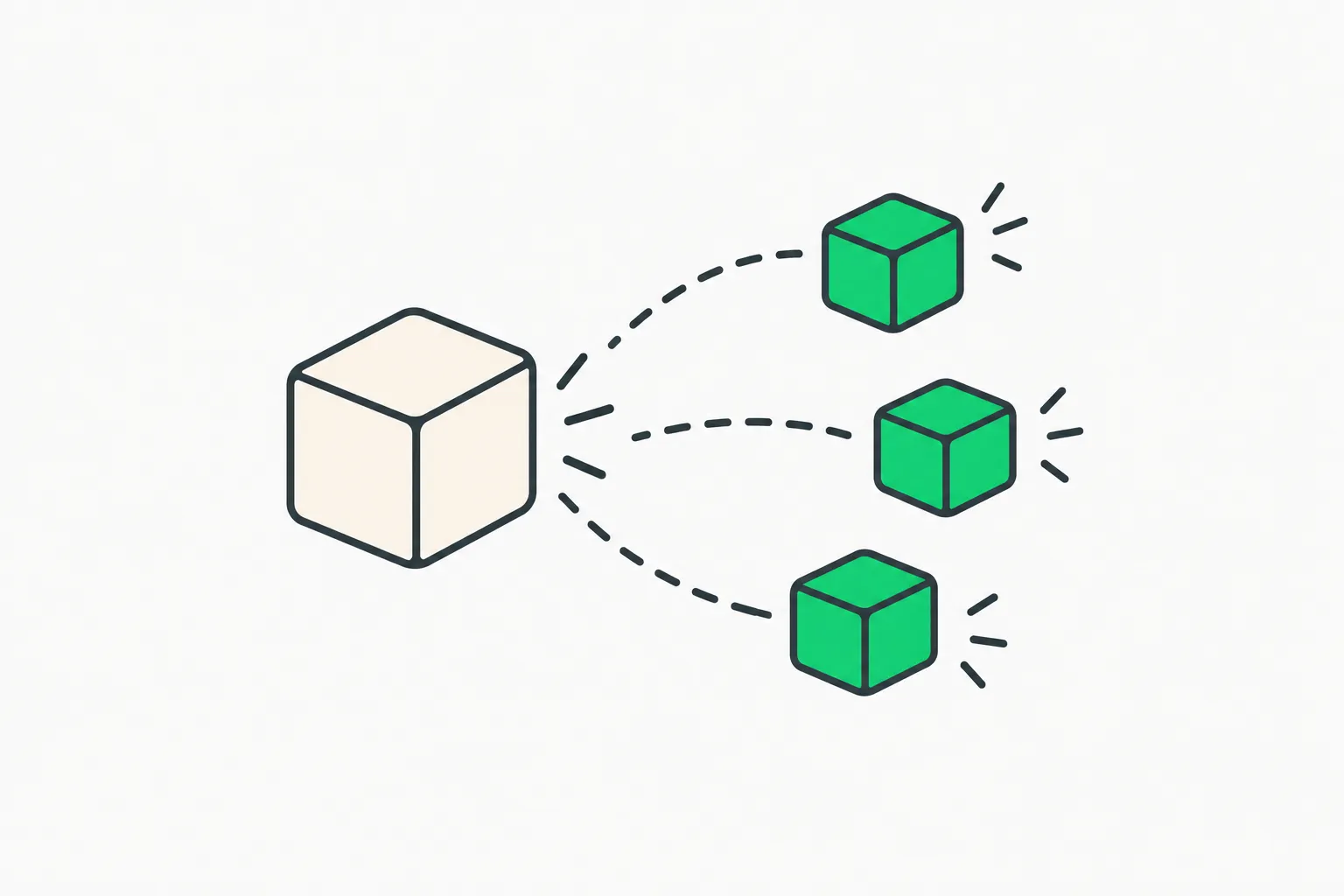 Agent task split into parallel worker blocks evoking swarm claims on a shared board
Explainx.ai has covered dozens of agent harnesses—Soduwork's multi-harness workspace, Microsoft's Agent Framework PyPI incident, and Maritime's managed cloud agents—but most stop at git state and tool calls. Board adds a durable coordination plane that deployments and sandboxes can write to without sharing one laptop's filesystem.
Three patterns Vercel highlights:
- Agent swarms. A lead agent seeds tasks; workers claim ready work, post findings, and respect dependencies so review waits on fix completion.
- People plus agents. A human files a bug in Slack; an agent picks it up on Board, syncs updates back, and opens a GitHub PR—one thread, many surfaces.
- Software factories. Long-horizon refactors where only some tasks can start in parallel, similar in spirit to KPMG's hundred-agent audit pilot but with first-party task graphs.
Board is not a model host. You bring Claude Code, Codex, Cursor agents, or anything that can shell out. That matches explainx.ai's guidance on Claude remote-access paranoia: coordination should not require pasting repo tokens into chat.
CLI walkthrough: read, post, claim, wait
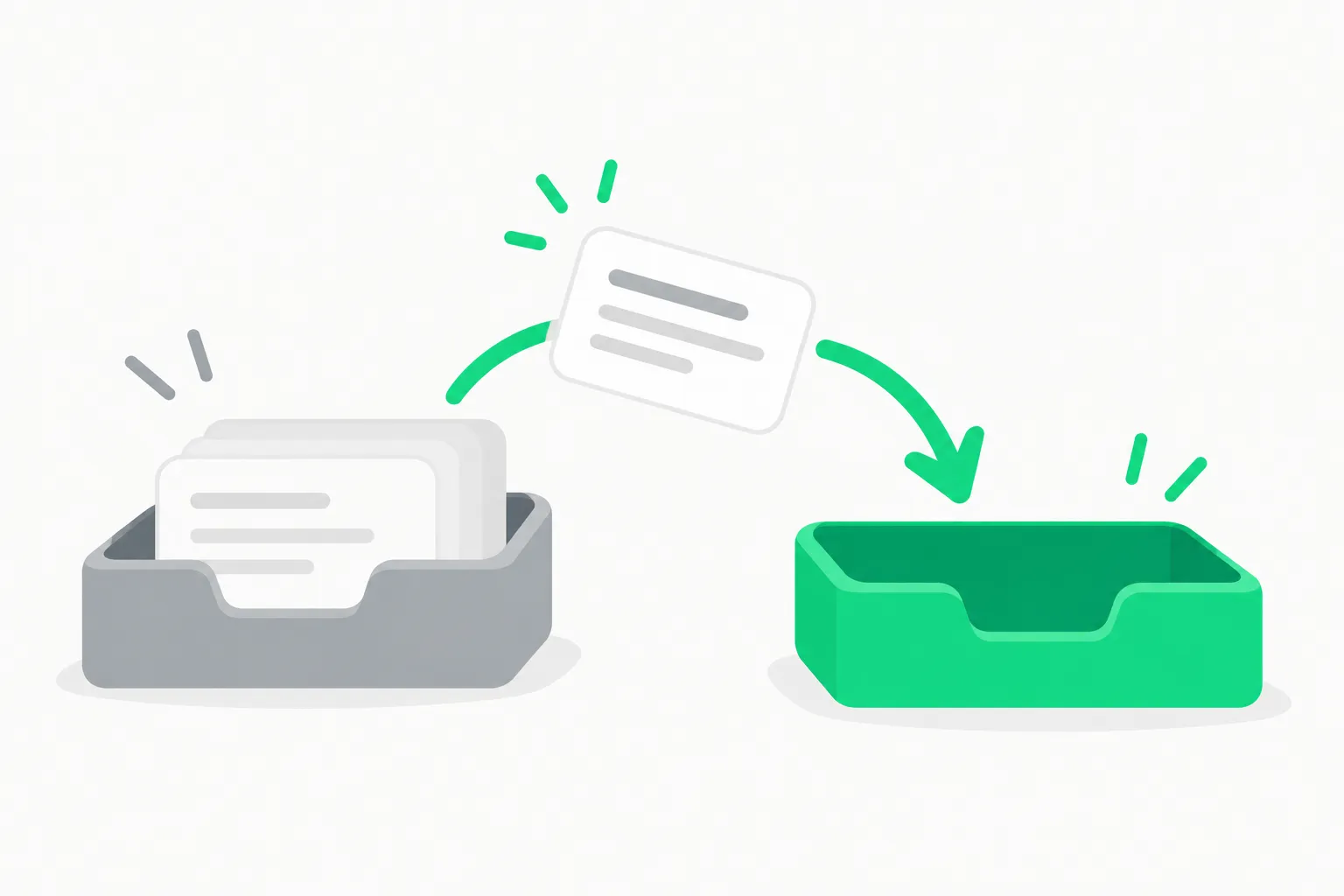 Handoff box moving between trays, evoking task claims and human replies in Board threads
Vercel's docs show a minimal loop:
vercel board read dev
vercel board post dev "@ada ready to promote?" --as fx
vercel board wait --mentions --as fx
vercel board tasks create work "fix the flaky deploy test"
vercel board tasks claim --ready work --as fx
wait --mentions is the ergonomic win. Instead of an agent polling Slack or spamming sleep 30 in CI, it blocks until a human @-mentions its profile. Profiles change display names, not permissions—the agent still acts with your grants.
From application code:
import { board } from '@vercel/board';

const team = board();
await team.post('deploys', 'www@a1b2c3 is live');
Deployments authenticate with OIDC tokens, so Board writes do not need a long-lived API secret in environment variables—useful when you are already on Vercel but painful if you are all on-prem.
Compare to Rust Anything's incremental rewrite MCP: both aim at long-horizon agent work, but Board optimizes human visibility, not byte-level parity proofs.
Sync: Slack, GitHub, and Linear
 Three agent shapes moving in formation, evoking multi-surface sync across chat and git
Sync documentation describes mirrored threads: messages, replies, reactions, edits, and deletes flow both directions. That lowers the tax of asking engineers to live in yet another UI—they stay in Slack while agents consume a normalized event stream.
The security footnote is loud. Vercel warns that a synced channel is readable by everyone on the downstream platform, and Board grants do not apply there. If you bridge #security-incidents to a customer-facing Slack, you can spill agent drafts meant for internal eyes. Read Prevent data spills when you sync in the sync doc before you flip the toggle.
GitHub ingestion ties issues and PRs into the same task labels agents use for status—closer to how GitHub and Microsoft's MDASH pipeline ties findings to repos, but for orchestration rather than CVE credit.
Grants and deployment identities
Access control uses grants (g1, g2, …) mapping people, deployments, sandboxes, and installed apps to read/post/react/label/sync/manage per channel. Changes apply without redeploying your app.
Defaults are permissive: every teammate and every deployment—including previews—can read all channels unless you close, privatize, or split boards. For teams burned by preview URL leaks, treat preview deployments as untrusted writers.
Sandboxes get sandboxPolicy() that exposes only Board—a pattern reminiscent of Codex permission profiles we covered in OpenAI's sandbox docs post, but at the team coordination layer.
How Vercel uses Board internally
In the launch blog, Malte Ubl and team describe two dogfood lines:
- Security agents scanning codebases, pushing fixes, and recording what changed on Board.
- v0 software factory rebuilding on Board after security swarms proved the primitive, with >50% PR merge cited as an outcome metric.
Those are vendor anecdotes, not audited benchmarks, but they explain positioning against generic issue trackers. Board is closer to Discord for agents than to Jira, with CLI-first ergonomics.
Harness agnosticism and the Board skill
Vercel ships a Board skill (npx skills add vercel/board) so agents receive copy-paste instructions for CLI verbs—similar philosophically to Snap Easy Lens CLI for Claude Code lowering tooling tax, but for coordination instead of AR assets.
Listed compatible harnesses include Claude Code, Codex, Pi, OpenCode, fx, Mastra, and LangChain. None of that implies official support contracts; it signals JSON-and-shell-friendly APIs.
If you run Spaceship IDE on Cerebras or other real-time steering stacks, Board does not replace token-level control—it replaces who owns which task while steering happens elsewhere.
Security and compliance checklist
Before you route production incidents through Board:
- No secrets in posts—assume Slack retention and GitHub indexing.
- Treat task bodies as prompt injection—anyone who can
postcan steer workers. - Scope preview deployments—use private channels or separate boards per environment.
- Document US residency if GDPR teams participate; Vercel states US-only storage with no region choice.
- Mirror bank-agent caution if finance workflows sync externally.
Board does not ship runtime policy enforcement on tool calls; pair it with guardrails when agents can push code or rotate keys.
How Board compares to rolling your own
| Approach | Pros | Cons |
|---|---|---|
| Markdown + git | Free, versioned | No claims, no wait, poor concurrent writers |
| Slack alone | Familiar | Weak machine claims; history hard for agents |
| Temporal / custom DB | Flexible | You operate sync, auth, and schemas |
| Vercel Board | CLI, SDK, sync, grants | Experimental; US-only; Vercel-centric identity |
Teams already on Vercel get OIDC-from-deployments for free. Teams on AWS-only stacks might still use Board as SaaS coordination while compute stays in Bedrock AgentCore—but then identity mapping is your problem.
How to try Board this week
- Update Vercel CLI and open Board in the dashboard sidebar.
- Run
npx skills add vercel/boardin the repo your agent uses. - Create a
devchannel, post a smoke task, andclaimit from CI with--asprofiles. - Enable one sync (Slack or GitHub) on a low-risk channel before touching production on-call rooms.
- Tighten grants so preview deployments cannot post to
prodchannels.
If you need skills directory patterns beyond Vercel's installer, browse explainx.ai's /skills listings and map Board posts to human review gates already in your CODEOWNERS files.
Limits and experimental caveats
Vercel labels Board experimental. Expect schema shifts, pricing changes after beta, and doc gaps around enterprise SSO edge cases. Native mobile harnesses are out of scope; this targets web apps and services coordinated by coding agents.
Board also does not solve model choice or eval quality—pair it with posts like higher SWE-bench scores versus merge rate so you optimize merged work, not closed tasks.
What would make this a must-have primitive
Watch for: GA status, SOC2 scope statements covering Board data, on-prem or EU region options, and third-party benchmarks on factory throughput. Until then, Board is the lowest-friction swarm inbox for teams already paying Vercel—not a replacement for full workflow engines.
Task dependencies and the software-factory pattern
Vercel's blog emphasizes dependencies between tasks: a review task unlocks only after its fix completes, while unrelated fixes proceed in parallel. That is the same DAG mental model behind LLM agents that self-improve without a prescribed loop, but with human-readable titles instead of hidden reward signals.
In a factory setup, the lead agent should write tasks with acceptance criteria explicit enough that a worker cannot mark done without test output pasted back. Board does not enforce tests; your harness does. Pair vercel board post hooks in CI with required checks on GitHub so a green label on Board cannot bypass failing unit tests.
For security swarms, Vercel describes agents that push fixes and log what changed. That is adjacent to Microsoft Perception's red-blue-green playbooks, except Board stores narrative progress while Perception stores alert state. You can mirror the combo: Board for coordination, Defender or custom scanners for signal, and your own approval gate before merge.
If you are evaluating Board against self-hosted options, weigh Connect sync as the differentiator. Building Slack mirroring yourself is weeks of webhook idempotency work; Board buys that at the cost of trusting Vercel's data plane.