



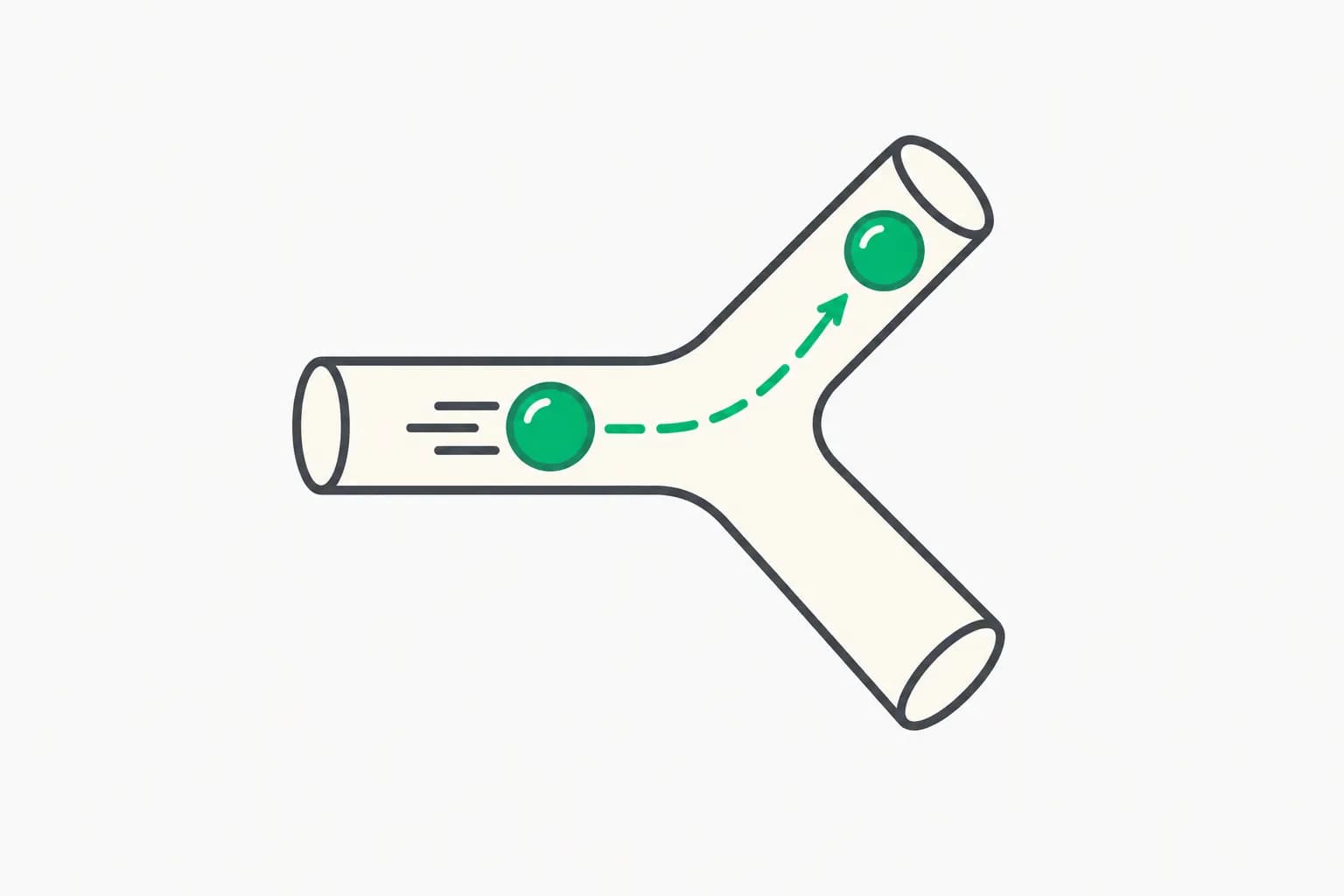
Perplexity launched its Orchestrator API on November 17, 2026, exporting the multi-model routing it built for Perplexity Computer into a developer-facing control plane at https://api.perplexity.ai/orchestrator/v1. One API key, 45+ open and closed models, unified billing, and automatic provider failover are the headline promises in Perplexity's hub post.
For builders tired of maintaining four SDK integrations and four billing consoles, Orchestrator is Perplexity's bet that orchestration is the product and individual labs are commodity backends — the same thesis behind summer swaps to GLM and Grok orchestrators and pass-through GPT-6.1 Sol pricing.
What Perplexity actually shipped
Perplexity describes three mechanics:
- Model choice stays with the developer — pick a prefixed ID like
anthropic/claude-sonnet-5-5oropenai/gpt-6.2-astraonce docs list GPT-6.2 SKUs. - Provider choice moves to Perplexity — routing considers availability, capacity, and latency.
- Billing consolidates — one invoice even when backends span OpenAI, Anthropic, Google, xAI, and open-weight hosts.
The models and pricing documentation prints context windows, max output, per-million token rates, and minimum usage tiers in one table. That transparency matters because tier gates can block Friday-night deploys if your org is still on a default tier.
SDK compatibility and migration path
Perplexity's quickstart emphasizes drop-in compatibility:
- Point OpenAI client libraries at the Orchestrator base URL for Chat Completions or Responses.
- Point Anthropic Messages clients at the same host with prefixed
anthropic/model IDs. - Use GET /orchestrator/v1/models as the allowlist — models absent from the response are not callable.
Migration is rarely change base URL alone. Audit tool schemas, cache pricing, reasoning effort flags, and org zero-data-retention settings. Perplexity notes Claude Fable models are unavailable to orgs with zero data retention enabled — a footnote compliance teams miss until prod throws 403s.
Pricing snapshot (documentation, not a quote guarantee)
Illustrative rows from Perplexity's November 17 docs show how Orchestrator presents list rates:
| Prefixed model | Tier | Context | Input $/1M | Output $/1M |
|---|---|---|---|---|
openai/gpt-6-astra | 1 | 1.05M | 10.00 (≤272k) | 50.00 (≤272k) |
openai/gpt-6-luna | 1 | 1.05M | 0.10 (≤272k) | 0.50 (≤272k) |
anthropic/claude-sonnet-5-5 | 1 | 1M | 2.00 | 10.00 |
anthropic/claude-fable-5-2 | 2 | 1M | 8.00 | 40.00 |
Compare against direct OpenAI GPT-6.2 launch pricing and Hugging Face plus OpenRouter routing before assuming Orchestrator is cheapest — you are buying routing, failover, and consolidated ops, not always the lowest token rate.
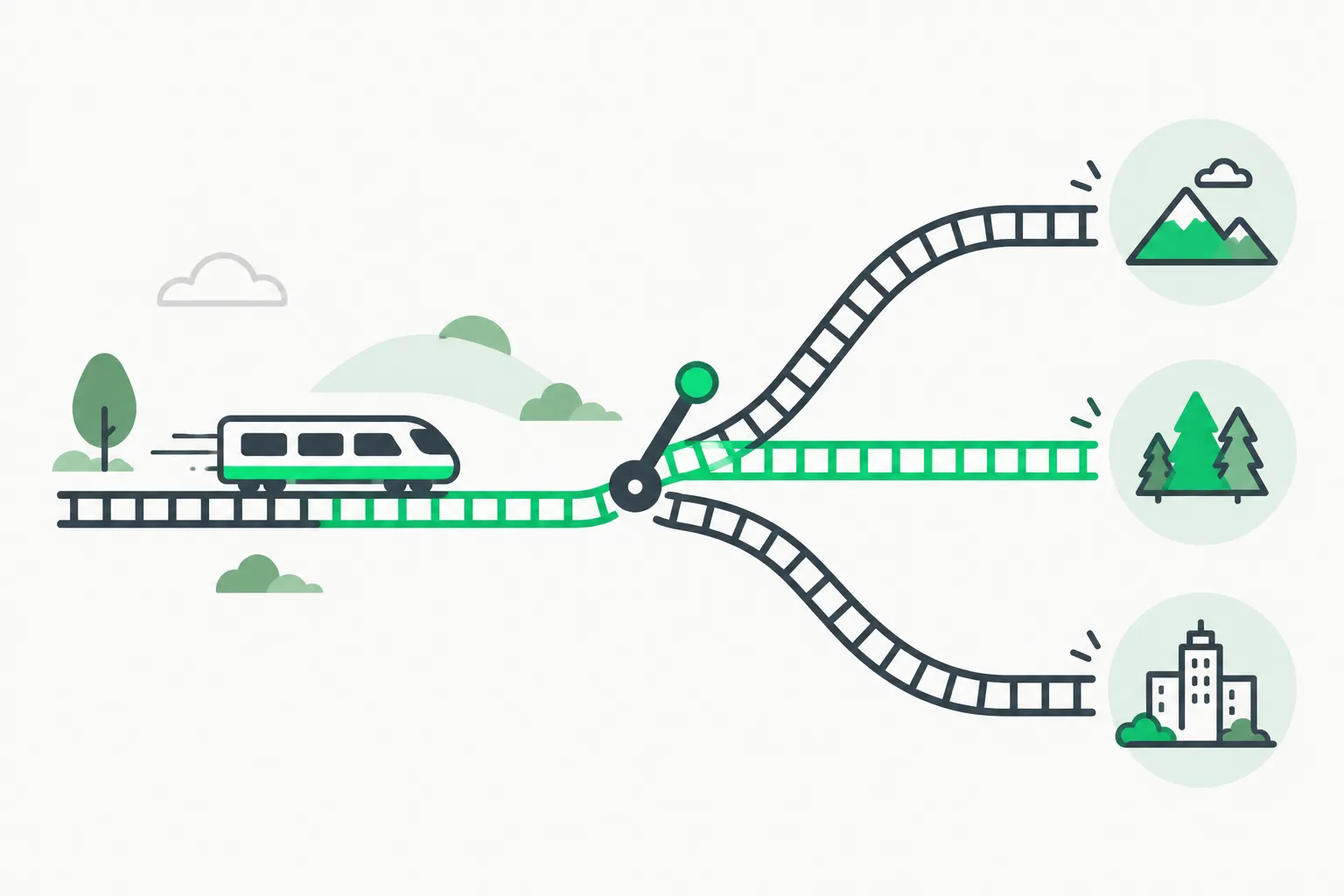 Model routing switchboard for Perplexity Orchestrator API multi-model failover
Image: Multi-hop routing mirrors Perplexity Orchestrator API provider selection.
How this fits Perplexity's 2026 strategy
Throughout 2026 explainx.ai documented Perplexity as a distribution layer:
- WANDR benchmark open sourcing justified orchestrator picks with dollars per completed research task.
- Monitor API webhooks added change detection for agents that cannot poll forever.
- Space Firecracker sandbox open source separated execution isolation from model choice.
Orchestrator completes the triangle: pick models, run agents, observe the world — each layer monetized separately but sharing identity and billing.
When to adopt Orchestrator vs alternatives
Adopt or trial Orchestrator when:
- You already run Perplexity Max agents and want the same routing in CI/CD.
- You need Anthropic and OpenAI together under one procurement contract.
- You want provider failover without writing health checks per upstream.
Stay on direct APIs or OpenRouter when:
- You depend on provider-specific betas Orchestrator allowlists omit.
- You need fine-grained data residency clauses per vendor.
- Your cost model requires spot or committed-use discounts Perplexity tables do not pass through.
Orchestrator versus OpenRouter and direct contracts
Hugging Face and OpenRouter normalized model cards plus inference marketplaces for open weights. OpenAI and Anthropic accounts remain the source of truth for preview models and enterprise DPA terms. Perplexity Orchestrator sits between those worlds:
- Like OpenRouter: prefixed IDs, heterogeneous backends, aggregation for developers.
- Like Computer: routing optimized for agentic cost per task, not leaderboard tokens per second.
- Unlike direct APIs: you inherit Perplexity tier gates and failover policy whether or not you want them.
If your FinOps team already negotiates Anthropic commits and OpenAI Enterprise, Orchestrator is not a replacement — it is a burst layer for apps that need Sonnet on routing and Luna on fan-out in one codebase. Document which workloads may not traverse intermediaries before flipping DNS.
Enterprise procurement and logging questions
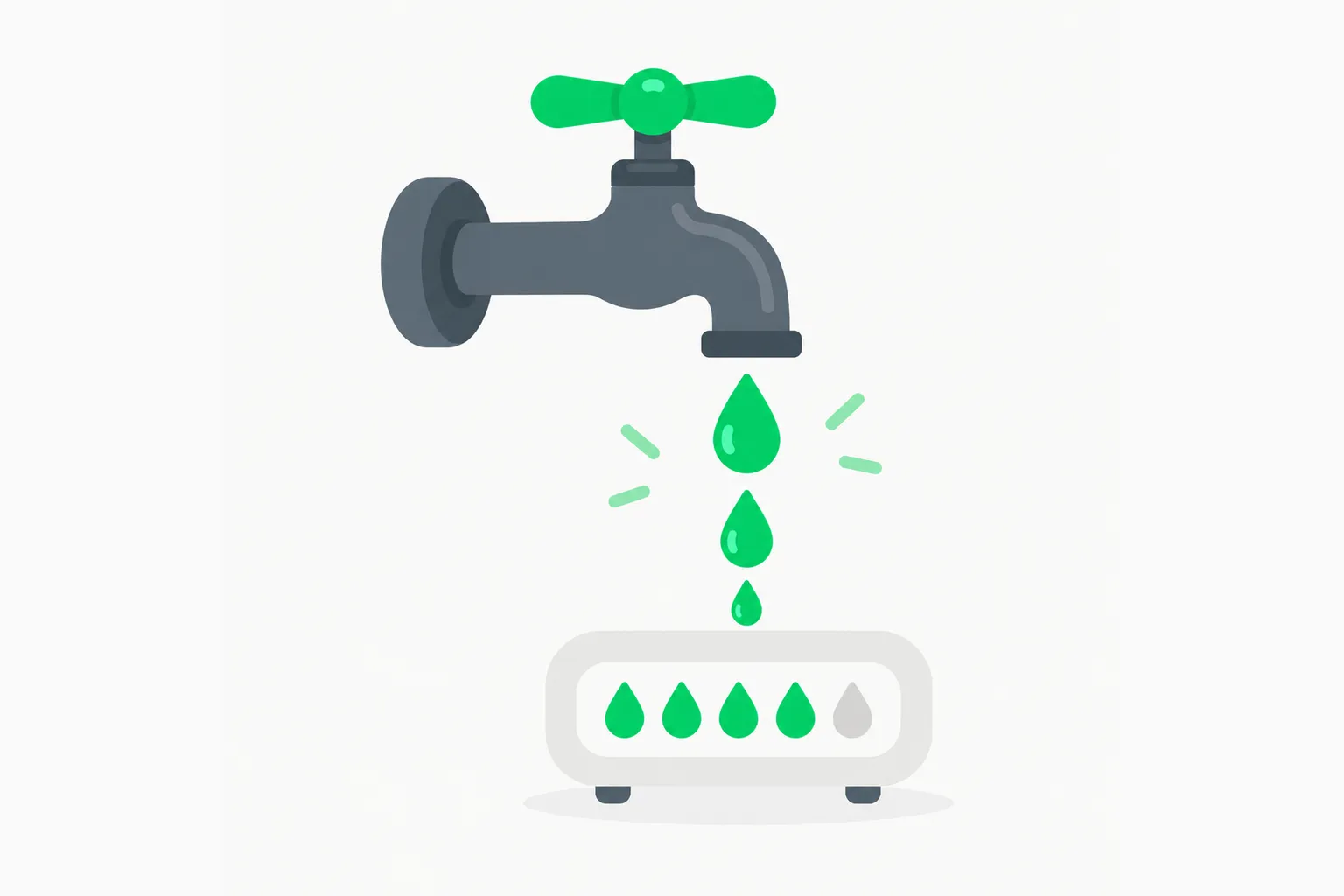 Usage-based pricing meter for unified Orchestrator API billing
Image: One invoice and one API key are Perplexity Orchestrator's procurement hook.
Security reviewers will ask four questions on day one:
- Who is subprocessors? Orchestrator implies multiple labs host inference even when your code names one prefixed model.
- What logs are retained? Match answers to your zero-data-retention posture, especially for Fable SKUs Perplexity blocks under ZDR.
- What happens on failover? Latency and effective model version can shift mid-session unless your harness pins revisions.
- How do refunds work? Unified billing simplifies AP but obscures which upstream caused a price spike.
Pair answers with your existing agent governance posts and MCP tool misbinding risks — Orchestrator changes transport, not authorization.
Example integration outline
Perplexity documents listing models with GET /orchestrator/v1/models. A minimal adoption path:
- Create or reuse a Perplexity API key with the tier your target models require.
- Point an OpenAI-compatible client to
https://api.perplexity.ai/orchestrator/v1. - Request
openai/gpt-6-lunafor cheap classification andanthropic/claude-sonnet-5-5for synthesis in separate calls — or chain them in your own agent graph. - Log request IDs and latency per call; compare against direct APIs for a week before cutover.
This is not a substitute for reading Perplexity's models table — rates, context tiers, and cache lines change when labs cut prices the same day as GPT-6.2.
Why Perplexity launched on GPT-6.2 day
November 17 was crowded: OpenAI frontier models, Microsoft Ignite, Google Gemini Tasks expansions. Perplexity still shipped Orchestrator because model-neutral APIs win when headline models rotate weekly. Aravind Srinivas framed multi-model orchestration as Perplexity's identity on X the same day as the hub post — distribution brands need infrastructure announcements not only consumer UI.
For indie developers, the interesting angle is open-weight slots in the same allowlist as Claude Sonnet. You can prototype glm or qwen class models beside frontier closed weights without maintaining separate auth flows — then promote winners to dedicated hosts if unit economics demand it.
Failure modes to test before production
- Tier mismatch on Opus or Fable during a demo.
- Model rename lag the day after a frontier launch — verify
GET /modelsafter GPT-6.2 style events. - Failover changing latency mid-chain in long agents; pair with prefix caching patterns if you own the harness.
- Logging gaps when compliance asks which underlying provider answered a request — confirm Perplexity exposes enough metadata in your tier.
Cost math: when Orchestrator saves money
Perplexity's summer Computer orchestration posts emphasized dollars per completed task, not list price per million tokens. Orchestrator exports that logic to API callers who never open the consumer app.
A workable spreadsheet model:
- Step A — classify with
openai/gpt-6-lunaor another low-tier ID from the models page. - Step B — plan with
anthropic/claude-sonnet-5-5when context needs reliability. - Step C — verify with a second cheap pass or a tool call, not an automatic Opus reread.
Run that chain through Orchestrator for a week and through direct APIs for a week on the same JSONL eval. If Orchestrator saves money, it is usually because failover avoided retries you paid for or because one invoice let you shift spend without procurement delay — not because list rates beat OpenAI.com.
Teams already on Perplexity Monitor webhooks can attach spend alerts to Orchestrator keys the same way they watch Computer jobs, though you should confirm product-specific dashboards in Perplexity's console rather than assuming parity.
Governance parallels in 2026
Microsoft's same-day AI Transparency Initiative and OpenAI's UK AISI disclosures push enterprises to demand evidence chains for agents. Orchestrator sits in that stack as transport: it must not become the only audit log.
Document delegated intent per request: which model ID you selected, which tools were allowed, and which upstream answered. If your SIEM cannot store those fields, you are not ready to centralize inference — you are only centralizing API keys.
Historical note: from GLM preview to public API
In July 2026 Perplexity previewed GLM 5.2 as a Computer orchestrator at roughly 0.34× Opus cost. August brought Grok orchestrator swaps and Sol price pass-through. November's Orchestrator API is the generalization: the routing layer is no longer a Max subscriber perk hidden behind UI, it is api.perplexity.ai.
That progression mirrors Hugging Face plus OpenRouter on the open-model side and Baseten efficient frontier guides on the hosting side. The category winner is whoever makes model churn boring for app developers.
Workshop tie-in for teams adopting Orchestrator
If your organization is standardizing agent stacks this quarter, pair Orchestrator trials with hands-on orchestration workshops on explainx.ai's workshops directory — especially sessions that cover multi-model routing, eval harnesses, and cost controls. Routing APIs reduce integration toil, but they do not replace task-level benchmarks you own.
Related reading
- Perplexity Computer GLM 5.2 orchestrator cost math
- Perplexity Monitor API for agent webhooks
- Hugging Face and OpenRouter inference routing
- GPT-6.2 Astra launch pricing
- Perplexity WANDR benchmark
- Sakana Fugu Pareto orchestration
Sources: Perplexity Introducing Orchestrator · Perplexity Orchestrator quickstart · Orchestrator models and pricing