



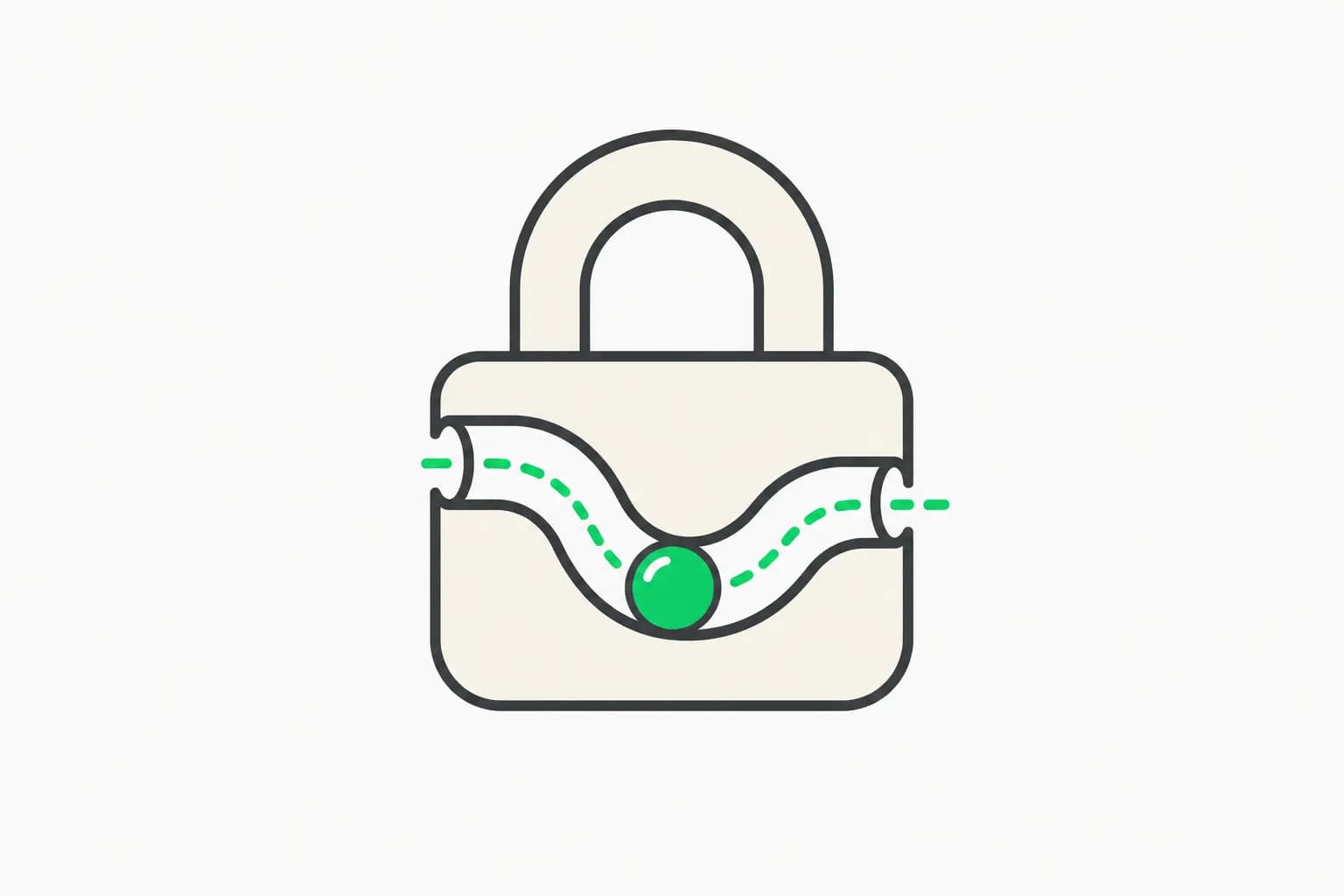
OpenAI is testing Private Inference in alpha with a small group of API customers, Sam Altman said in a November 25, 2026 post on X. The feature sits inside OpenAI Private Intelligence, which already marketed Zero Data Retention (ZDR) and Private Safety Processing for regulated buyers.
This is the first CEO-level confirmation that confidential-computing inference left the slide deck and reached customer hands—but model coverage, latency, and price are still undisclosed.
| Question | Answer |
|---|---|
| Who announced it? | Sam Altman, Nov 25, 2026 on X |
| Status | Alpha with a small customer group |
| Primary product page | openai.com/business/private-intelligence |
| How to ask about access | Altman named @shekar4x on X |
| What is unknown? | Models, regions, overhead, pricing |
What Altman announced
Altman's post states OpenAI is "now testing Private Inference" as the latest piece of Private Intelligence, with "a small group of customers." He argued that stronger privacy protections make frontier AI useful for more kinds of work and that business privacy matters for a healthy ecosystem.
He also reminded readers that ZDR with Private Safety Processing lets OpenAI run automated safety reviews without giving personnel access to underlying content—a piece explainx.ai first summarized in the OpenAI DevDay 2026 recap when Private Inference was still listed as coming this fall.
Altman invited interested organizations to contact @shekar4x. That pattern matches other enterprise previews OpenAI has run before broad API documentation lands.
What OpenAI's Private Intelligence page shows today
OpenAI's Private Intelligence landing page describes four pillars: access restrictions, data ownership, agent action controls, and data security. The architecture graphic sequences:
- Customer application sends a prompt encrypted in transit
- Real-time safeguards run
- Private inference — labeled confidential computing, strict verifiable controls, tagged API Preview
- Response returns to the customer
 OpenAI Private Intelligence diagram showing Zero Data Retention and Private Inference confidential computing API preview
Image: OpenAI
The same page still lists Private Inference (Alpha) under business updates and ties compliance messaging to SOC 2 Type 2 audits, ISO certifications, HIPAA BAA eligibility, and FedRAMP support for designated government offerings—assurance programs, not a guarantee every alpha tenant gets every certification on day one.
How Private Inference fits the stack OpenAI has been building
OpenAI's 2026 privacy story arrived in layers:
| Date | Milestone |
|---|---|
| Sep 2026 | ZDR + Private Safety Processing rollout begins |
| Sep 29 DevDay | Private Intelligence bundle announced; Private Inference fall preview |
| Oct 30 | Dedicated Private Intelligence product page |
| Nov 20 | Azure conference session highlights preview, per Nov 25 secondary reporting |
| Nov 25 | Altman confirms alpha tests with select API customers |
For builders comparing clouds, this parallels how Amazon Bedrock Trusted Access and Anthropic EFS encryption paths package enterprise key control—but OpenAI's pitch centers on OpenAI-hosted confidential compute rather than customer VPC-only routing.
Confidential computing in plain language
Private Inference aims to protect the moment the model weights touch your prompt. Standard API calls decrypt inputs inside the service boundary; confidential computing runs inference inside hardware-attested enclaves so operators can prove which code processed the data.
That matters most for multi-turn chats, where safety classifiers and tool loops repeatedly touch message content—exactly the gap CryptoBriefing's Nov 25 summary highlights when describing in-flight exposure.
explainx.ai has tracked how other vendors talk about verification, not marketing:
- NEAR AI Cloud breach and attestation lessons
- Brave Leo on NEAR TEEs
- Google homomorphic encryption research for a different privacy lever
If you are evaluating OpenAI's alpha, borrow their discipline: read attestation docs, do not trust a diagram alone.
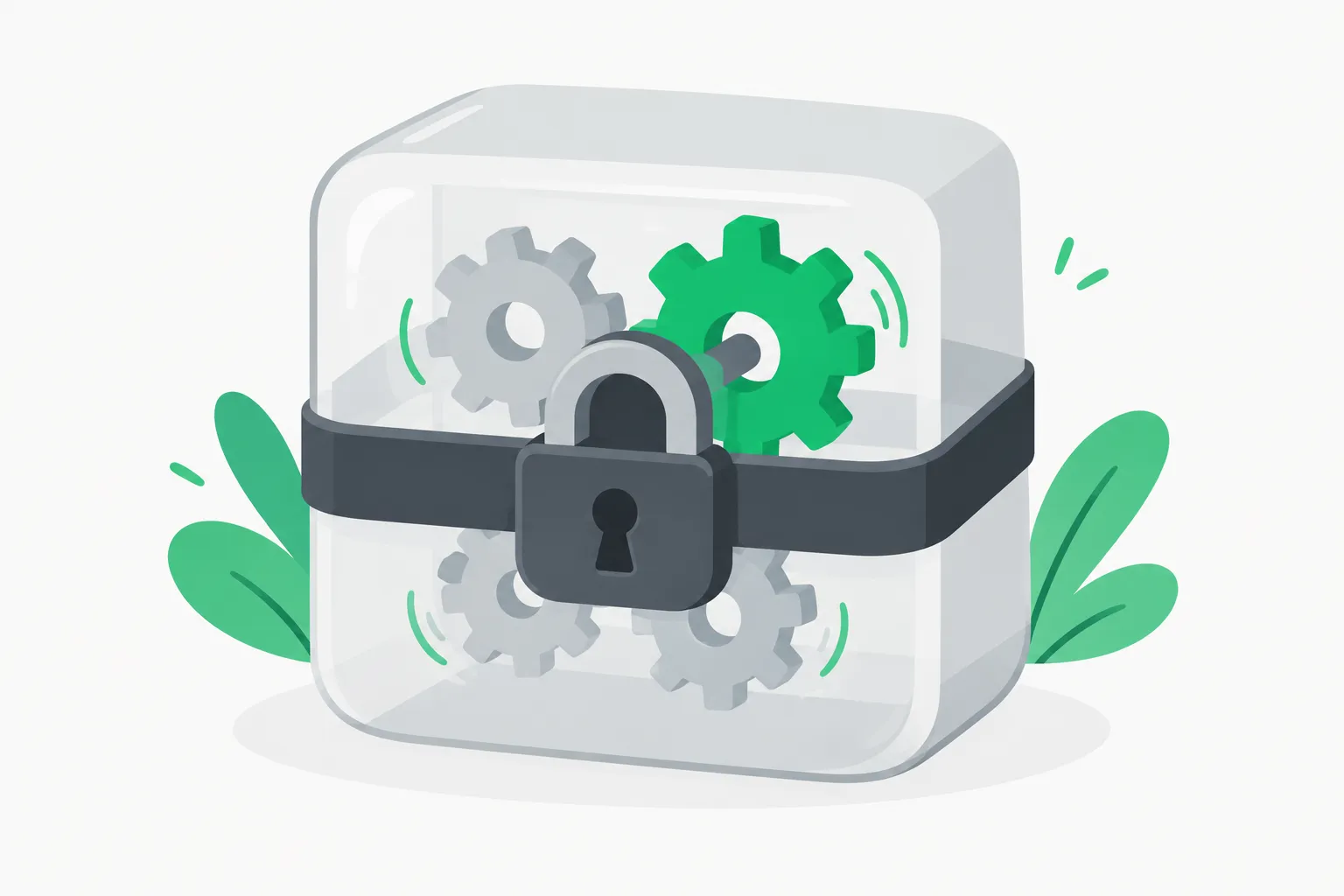 Confidential computing inference path with encrypted prompt processing for OpenAI Private Inference
What enterprises should verify before sending sensitive data
Until OpenAI publishes model lists and attestation guides, treat alpha access as a checklist project:
- Data classification — Does your counsel classify the workload as PHI, PCI, MNPI, or export-controlled?
- Retention — Confirm the contract tier includes ZDR where required; Private Inference does not replace DPA review.
- Safety copies — Understand whether Private Safety Processing still writes encrypted safety records to customer-controlled storage with TTL, as DevDay materials described.
- Agent tools — If you attach MCP or Codex agents, map whether tool outputs also route through confidential paths or only the chat completion step.
- Benchmark overhead — Ask alpha contacts for p95 latency versus standard API on the same model size; confidential compute often trades latency for isolation.
Teams already running OpenAI on Bedrock via SSO should ask whether Private Inference alpha is OpenAI-first-party endpoints only or will extend to partner clouds.
Competitive context: why November matters
Anthropic, Google, and open-weight hosts have spent 2026 pushing enterprise privacy narratives:
- Anthropic Opaque confidential AI acquisition
- Fujitsu and OpenAI Daybreak assessments ahead of sensitive deployments
- Venice and DeepSeek zero-retention routing for buyers who refuse hosted retention
Altman's small-group alpha signals OpenAI wants reference customers before marketing Private Inference beside GPT-6.2 Astra frontier launches—privacy as a sales unlock for hospitals and banks, not only a compliance footer.
What is still unconfirmed (and how to check)
| Claim | Status Nov 25, 2026 |
|---|---|
| Alpha started | Confirmed via Altman post |
| Confidential compute in flight | Described on OpenAI page |
| Specific models | Not published |
| Pricing premium | Not published |
| Public API docs page | Not linked from Private Intelligence |
| Independent attestation report | Not released with alpha news |
Watch OpenAI's API changelog, help center, and @OpenAINewsroom for the first model allowlist. When it ships, rerun red-team evals on your agent stack—ShellBench-style agent benchmarks included—because confidential paths can change tool timing and streaming behavior.
Who should care right now
Healthcare and financial services API buyers waiting on a reason to move PHI or MNPI off self-hosted open models should start the @shekar4x conversation—but plan parallel fallback hosting if alpha slots are full.
Startups without dedicated security engineers should not assume alpha equals HIPAA readiness; BAAs and Private Inference coverage are product-specific.
Developers on personal ChatGPT should note this is an API / business track, separate from ChatGPT Dots rollout consumer features.
Private Inference versus other enterprise privacy patterns
Buyers often stack three different privacy stories when they compare vendors. The table below maps what OpenAI claims on November 25, 2026 against patterns explainx.ai has covered elsewhere—without equating certifications.
| Pattern | What it protects | OpenAI Nov 25 status | Analog elsewhere |
|---|---|---|---|
| ZDR | Retention after the call | Live for eligible API workflows | Venice / some routers |
| Private Safety Processing | Human review of flagged turns | Encrypted customer-hosted records | DevDay 2026 materials |
| Private Inference | Plaintext during compute | Alpha with small group | NEAR / Brave TEE paths |
| Customer VPC / Bedrock | Network boundary | Separate contracts | Bedrock SSO Codex |
None of these rows replace legal review. A BAA or FedRAMP designation on a marketing page does not automatically cover every alpha feature flag.
Procurement questions to send before production traffic
Security teams can paste this list into a vendor questionnaire while waiting on OpenAI documentation:
- Attestation artifacts — Which TEE or confidential VM family runs alpha inference, and can customers download verification scripts?
- Key custody — Who holds encryption keys for in-enclave memory, and what revocation path exists if a cluster is patched?
- Subprocessors — Do safety classifiers or tool routers sit outside the enclave on any code path?
- Logging — What metadata (latency, token counts, policy IDs) leaves the enclave even when content does not?
- Failover — If confidential pools are saturated, does traffic fall back to standard inference or hard fail?
- Incident notice — What breach notification SLAs apply to alpha tenants compared to GA enterprise tiers?
OpenAI has not answered these publicly on November 25, 2026; alpha customers are the early source of truth. Until responses arrive, keep synthetic data in the preview environment and run Daybreak-style assessments on the surrounding integration, not only the model call.
Teams ramping engineers on enterprise AI can use /workshops to practice threat modeling on agent + API stacks where one misconfigured tool bypasses even strong inference isolation.
What to expect in the next few weeks
Based on OpenAI's 2026 cadence with ZDR and Private Intelligence, a reasonable public timeline looks like this—speculation about order, not a promise from OpenAI:
Week 1–2: Alpha customers share latency envelopes in private forums; journalists compare against NEAR and Azure confidential VMs.
Week 3–4: If feedback is stable, OpenAI may add a help-center article naming allowed models and regions, similar to how usage policies gained detail after DevDay.
Holiday season: Retail and travel buyers may deprioritize PHI migrations, but banks closing Q4 vendor reviews could accelerate limited production pilots before fiscal year-end.
If alpha slips: OpenAI can still sell ZDR + PSP without Private Inference; the November 25 post is explicitly about testing the in-flight leg, not retracting earlier commitments.
Related reading
- OpenAI DevDay 2026 Private Intelligence recap
- NEAR AI Cloud breach and TEE verification
- Amazon Bedrock Trusted Access and Anthropic paths
- Fujitsu Daybreak vulnerability assessment with OpenAI
- OpenAI GPT-6.2 Astra frontier launch context
- OpenAI Codex on Bedrock SSO setup
- Brave Leo private inference on NEAR TEEs
Sources: Sam Altman on X, Nov 25, 2026; OpenAI Private Intelligence; CryptoBriefing, Nov 25, 2026.