




Medium launched TK on November 9, 2026, a private notebook that puts in-editor AI, agent access through MCP, and invite-only Libraries in one app — Medium’s first major product bet since 2017, according to Medium’s launch post and The Verge’s walkthrough. CEO Tony Stubblebine frames it as writing that compounds into influence, with AI as a sidecar instead of a separate chat tab.
TL;DR
| Feature | What Medium says |
|---|---|
| Platforms | Web, iOS, Android; native desktop promised |
| AI placement | Inside the editor; TK shortcut invokes help |
| Agent access | MCP server plus Claude skill |
| Collaboration | Private Libraries (topic groups) |
| Imports | Medium archive, Bear, Obsidian vaults |
| Privacy pledge | No training on TK writing without permission |
| Provenance | Notes can show human vs AI portions |
| Price at launch | Free (Verge) |
Why Medium built TK now
Stubblebine argues the open web is “getting dumber” while agents need a layer of human intelligence underneath. TK is that layer as product: capture thinking in prose, let agents read it through MCP, optionally share with a small group without chasing SEO.
That pitch differs from generic chatbots. Medium explicitly says TK is not for “slop lords” and that generative writing already has cheaper tools elsewhere. The company has been profitable since August 2024, per its blog, which matters when note apps die after acquihires.
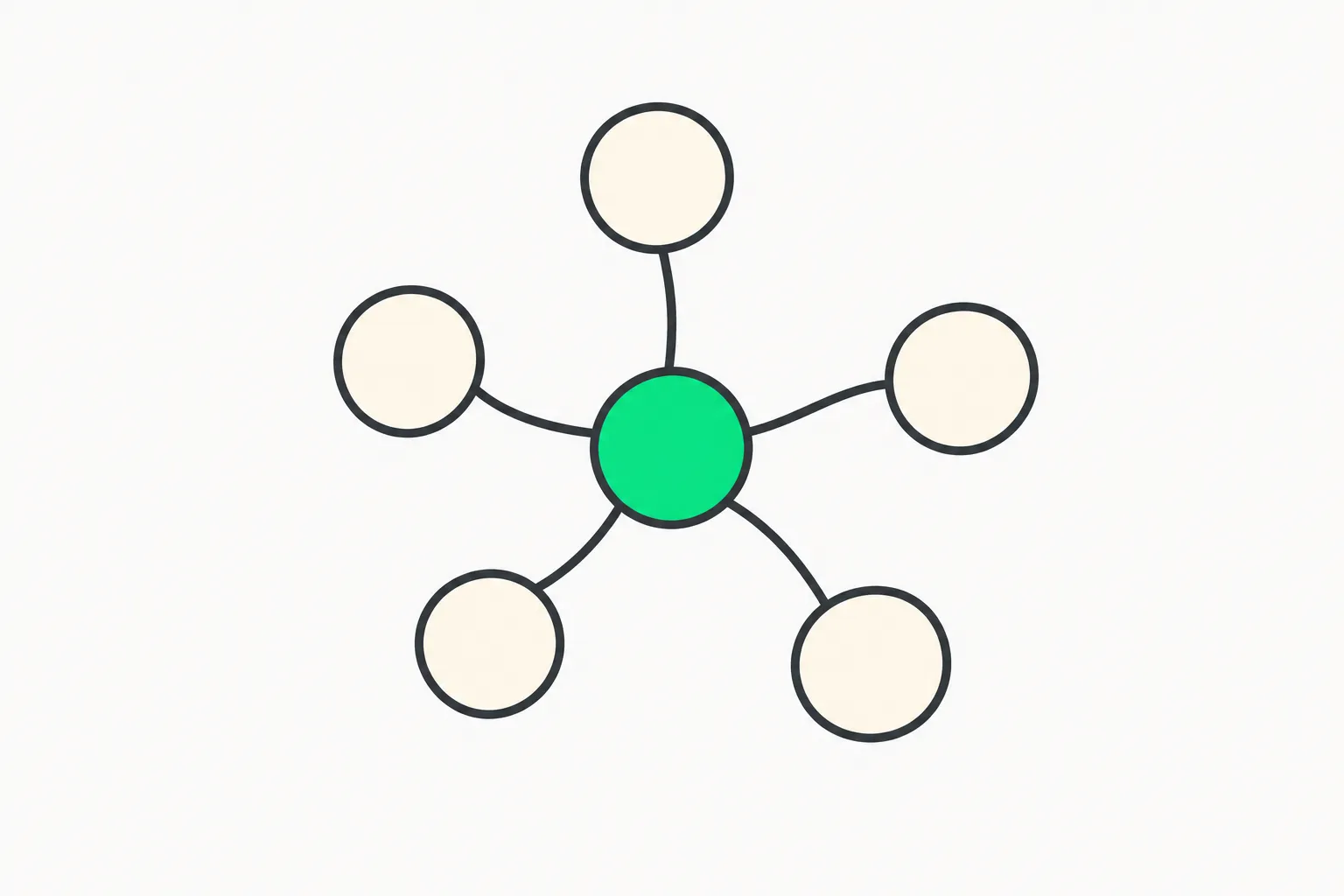 Medium TK targets synced notes as an agent-readable knowledge layer
In-editor AI and the TK shortcut
Medium’s core UX bet is focus preservation. Instead of opening a new tab for research, writers type TK — newsroom shorthand for “to come” — to call the assistant inline. Beta users used it to fetch links, scan publishing history gaps, and answer side questions while drafting, per Medium’s beta retrospective.
For builders, that is the same design move as Cursor inline edits or IDE agents: keep hands on the keyboard. The difference is domain: TK optimizes for reflective writing and personal knowledge, not repository diffs.
MCP server and Claude skill
Medium states TK ships with an MCP server and a Claude skill so agents can attach a user’s second brain to projects. That aligns TK with the Model Context Protocol ecosystem we document on explainx.ai: standardize how tools expose notebooks, tickets, and docs to models.
Practical setup questions teams will hit:
| Question | Early answer from Medium |
|---|---|
| Scope of agent read access | User-controlled via TK permissions (details in app) |
| Export | Markdown export per note and full archive |
| Cloud vs local | Cloud-first for async human and robot collaboration |
If you run coding agents, compare TK to Home Assistant MCP patterns or self-hosted vaults: TK trades offline-first purity for multiplayer plus agents.
Private Libraries as group blogging
The Verge describes Libraries as private blogging meets group chat: recipe boxes, book circles, poetry drafts, each visible only to members. There is no public profile for a Library, which sidesteps Medium’s classic distribution problem (Google traffic) but creates a new monetization option Stubblebine teases — packaging the best Library content for people or AI agents to buy.
That line is speculative at launch, yet it previews how knowledge marketplaces might price human-curated corpora above generic web scrape.
Transparency and Markdown tradeoffs
Medium promises AI transparency on published notes: readers can see what was human-written versus model-assisted, down to prompting and sources “as a start.” It also chose cloud collaboration over pure Markdown-first design, while still importing and exporting Markdown.
Teams auditing compliance should treat transparency flags as experimental UX, not legal safe harbor, especially beside emerging EU rules on relationship-simulating chatbots and provenance expectations.
How TK compares to Obsidian, Notion, and public Medium
| Product | Agent angle | Social shape |
|---|---|---|
| TK | Native MCP plus Claude skill | Private Libraries |
| Obsidian | Plugins and community MCP experiments | Optional publish |
| Notion | Enterprise AI inside workspaces | Team wikis |
| Public Medium | SEO and memberships | Open posts |
TK is closest to “personal corpus for agents” positioning, not team project management. If your agents already use agent skills directories, TK is another attach point, not a replacement IDE.
What people are asking
Is TK a Medium paywall extension? Not exactly. It is a separate app with its own social graph inside Libraries.
Does TK replace Medium posts? No. Stubblebine uses a gym metaphor: TK is training; public Medium is performance.
Can enterprises use TK? Medium has not pitched enterprise controls in the launch posts. Evaluate SSO and data residency before putting secrets in Libraries.
Which models power inline AI? The launch posts do not name a single provider; treat model choice as in-app settings once you enroll.
Limits honest reviewers should note
Roadmap gaps Medium admits: no native desktop app yet, Markdown is import/export not the primary metaphor, and Library monetization is aspirational. AI provenance UI is v1. Competitors already ship local-first encrypted notes if cloud custody is a dealbreaker.
Security and data custody for agent-connected notes
When notebooks feed agents through MCP, the threat model shifts from “someone read my blog” to “an agent exfiltrated my vault.” Medium’s privacy pledge — no training on TK writing without permission — addresses vendor misuse, not prompt injection inside a Library you joined.
Teams should treat TK like any other agent datastore:
| Risk | Mitigation habit |
|---|---|
| Over-broad MCP scopes | Grant read-only collections per agent |
| Secrets in daily notes | Keep API keys out of synced Libraries |
| Shared Library trust | Review members like a private Slack |
Our agent sandbox comparisons focus on code execution, but the pattern matches: isolate what agents can touch and scope MCP read access per agent.
Daily prompts, widgets, and capture friction
Medium emphasizes easy capture: mobile widgets for voice and text, instant import of prior Medium posts, and Bear or Obsidian vault imports. Low friction matters because agent corpora rot when users stop logging. The Verge compares TK to ultra-minimal Evernote; the bet is that daily prompts and journaling defaults beat folder taxonomy for retention.
For developers maintaining long-running agent projects, that UX detail is as important as the MCP endpoint. An empty knowledge base makes Claude skills useless.
 Medium TK private notebook aimed at agent-readable writing workflows
Business model and longevity
Stubblebine highlights Medium profitability since August 2024. Note apps die when funding stops; Medium ties TK to an existing revenue engine rather than venture subsidies alone. Paid Library access and agent-readable premium corpora are hinted, not launched.
Compare to Meta’s quiet journal experiments: big tech can ship journaling toys without a business line. Medium must connect TK to memberships or licensed corpora.
Writer workflow: Unix pipes metaphor
Stubblebine’s “Unix pipes” metaphor in The Verge interview is the architectural headline: notes flow into models, models flow back into notes, humans stay in the loop. That is the opposite of one-shot ChatGPT tabs. It mirrors loop engineering for coding agents but for prose.
Implementation-wise, expect:
- Inline completions scoped to the current note
- Retrieval across the user’s archive on demand
- Library-scoped search for group projects
Medium has not open-sourced the retrieval stack. Assume hosted embeddings with their privacy policy.
What developers are asking on launch day
Because TK is new, most public discussion is product curiosity, not production war stories. Watch for:
- Latency of inline TK calls on long notes
- Whether MCP exposes Library boundaries or only personal notebooks
- Rate limits once free tier scales past beta
We will update this post if Medium publishes API docs beyond the MCP bundle.
Import paths: Medium archive, Bear, and Obsidian
Medium promises one-click import of everything you already published on Medium, plus Markdown vaults from Bear and Obsidian. That lowers switching costs for writers who kept long-form work on Medium but maintained research in local Markdown.
For agent builders, the import path defines how fast a personal RAG corpus appears in TK. Obsidian users with thousands of notes should expect upload time and embedding delays Medium has not documented. Plan a staged import before pointing production agents at TK through MCP.
Positioning against AI-native note rivals
Thinkstream chases branching conversation maps on macOS. TK chases daily writing plus private social graphs. Neither replaces the other; TK is closer to networked journaling than mind-mapping.
If your team standardizes on Claude Code or Cursor for code and wants prose context nearby, TK’s Claude skill is a low-integration experiment compared to wiring custom MCP filesystem servers.
Who should try TK on day one
| Persona | Why it might fit |
|---|---|
| Essayist with agent side projects | MCP corpus without self-hosting |
| Small writing circle | Libraries replace public comments |
| Medium power user | Archive import is built in |
| Security-first teams | Wait for SOC2 detail and desktop app |
Who should wait
Teams needing on-prem custody, fine-grained ACLs, or programmatic note APIs for non-Claude agents may prefer self-hosted stacks until Medium documents enterprise controls and non-Claude MCP paths.
Related reading
- What is MCP
- Agent skills guide
- Home Assistant MCP server
- EU Digital Fairness Act leak
- Thinkstream branching chats
- Claude Code commands reference
Product details reflect Medium’s November 9, 2026 announcements. Features may change in beta.