



On July 9, 2026, Matt Shumer (@mattshumer_) posted a voxel-based Manhattan built by GPT-5.6-Sol — city-scale precision he called a one-shot, with a catch that matters: it ran almost a week, completely autonomously, on Codex with xhigh effort and subagent fan-out.
Same week GPT-5.6 Sol rolled out publicly, Shumer linked his playbook: How I Prompt Fable on Workbench.md (July 8, 2026) — and said the same techniques apply to Sol.
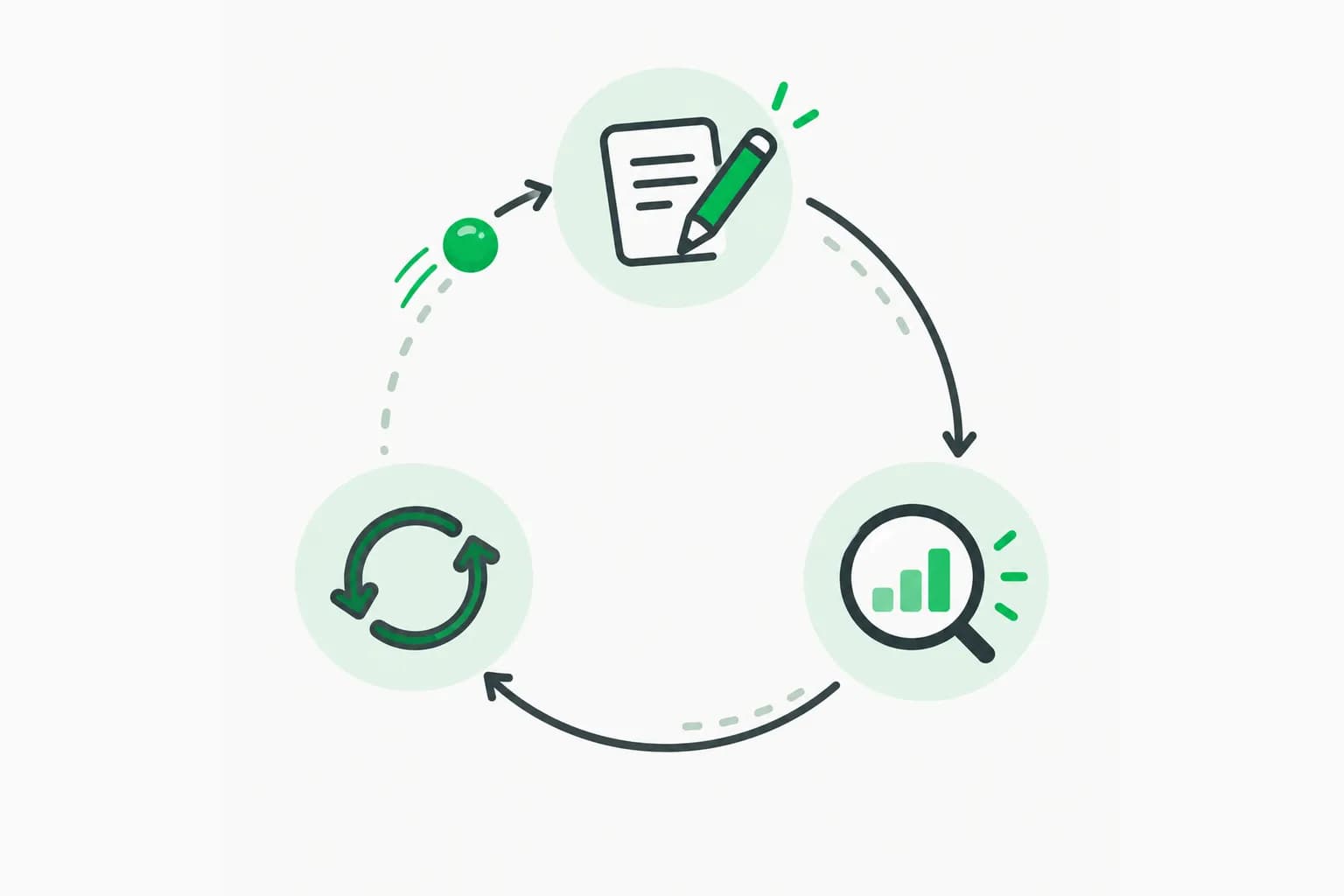
The demos look like magic. The method is loop engineering with an unreachable bar, not a longer prompt.
TL;DR — Manhattan demo + prompting stack
| Field | Detail |
|---|---|
| Build | Voxel Manhattan · GPT-5.6-Sol |
| Runtime | ~1 week · fully autonomous |
| Effort | xhigh + prompt to fan out subagents |
| Terra subagents? | No — Shumer: Codex limits generous; quality not worth trade |
| Guide | How I Prompt Fable → also for Sol |
| Core trick | Bar you never fully reach but can always improve against |
| GTA Manhattan? | Shumer: ~1 year to one-shot — at stupid cost |
The July 9 demo — what actually happened
Shumer's post shows a voxel Manhattan — block-level city geometry with tight spatial fidelity. Replies asked how a "one-shot" could run a week.
His answer points to the Workbench guide, not a secret prompt string:
Basically, you want to give it a bar it can never reach, but can always improve against.
That reframes the demo: one initial goal, days of closed-loop improvement, many subagents — the same architecture he uses for Fable 5 creative builds (photoreal 3D forest → Hogwarts) and engineering PR teams.
explainx.ai read: This is loop engineering at frontier scale — Sol Ultra's multi-agent story from OpenAI's July 9 rollout meeting a practitioner who already runs week-long /loop-style creative pipelines on Workbench.
How I Prompt Fable — seven rules that transfer to GPT-5.6-Sol
Shumer published the full guide on Workbench.md (July 8, 2026). Below is explainx.ai's structured recap — use it for Sol in Codex or Fable in Claude Code.
1. Give the goal, not the steps
Older models needed how spelled out or they wandered. Fable/Sol-class models do the opposite — more room, better results. Every step you dictate overrides the model's judgment with yours, and Shumer argues the model's "how" is usually better.
Sol translation: One sweeping objective ("build a voxel Manhattan at this precision tier") beats a 40-step implementation plan.
2. Set house rules so you can trust it
Underspecified goals need fences — standing rules that always hold. Example from the guide: don't hard-code regex special cases; describe behavior in the system prompt and let the agent reason.
Optional: a sub-agent whose only job is checking house rules before anything ships — so the main agent can run wide open.
3. Give a real bar for "done" — never adjectives
"High quality" stops at the model's idea of good enough. Shumer uses measurable bars:
- Concrete tests he writes ("a stranger can't tell our render from the real photo")
- Or bars he asks the model to invent — e.g. screen recording → motion heatmap → iterate until match
Component-library example: Friend stuck cloning UI on top of ShadCN — fighting conventions with no done criterion. Fix: start from scratch, ask Fable to invent the measuring stick.
Critical rule: The builder never grades its own work. Spin up a fresh-context sub-agent, point it at real output (pixels, running app), and have it try to prove failure.
4. Loop until it hits the bar
Once the bar exists, /loop for hours or days. Build → measure gap → close biggest gap → repeat. The model never decides it's finished — you stop it, or it genuinely can't find gaps (rare if the bar is set right).
Shumer posts progress to Workbench.md — screenshots, notes, boards — so he can glance on his phone and comment to steer.
5. Let it build on what you've already done
First project (3D forest) needed careful prompting — no reference quality. Hogwarts came faster by pointing at forest code and Claude Code traces ("read the forest traces and learn what worked"). Prior work becomes fuel, not just reusable code.
6. Get out of its way
Front-load: budgets for paid APIs, credential locations, written permission to make calls without asking. Only exception: planning on huge consequential builds — plan first, then run without stopping.
7. Two modes — engineering team vs creative fan-out
| Mode | Setup |
|---|---|
| Engineering | Multiple sessions · tasks from Linear/Trello/Workbench · sub-agent QA · PRs with evidence · integrator Fable merges and tests like a user · parallel agents watch each other's traces in Workbench chat |
| Creative | Same loop + hard bar · fan-out sub-agents per asset type (each tree species, each district) · sometimes parallel full attempts, keep best |
ultracode: Almost never — except foundations you'll live on for months (same logic as throwing out ShadCN for a clean component base).
GPT-5.6-Sol setup — what Shumer actually ran
From Shumer's X replies on the Manhattan thread:
| Choice | Shumer's answer |
|---|---|
| Model | GPT-5.6-Sol (not Terra/Luna workers) |
| Effort | xhigh |
| Orchestration | Prompt asks to fan out tons of subagents |
| Terra for cheap subtasks? | Never — "Codex limits are very generous so it's not worth the potential quality reduction" |
| Duration | ~1 week autonomous |
That aligns with GPT-5.6 tier routing: Terra/Luna win on cost per ALE point in OpenAI's claims — but Shumer optimizes for ceiling, not token arbitrage, on creative world builds.
For Codex command patterns, see Codex slash commands reference.
Claude Code equivalent: Fable 5 advisor + Sonnet 5 executor — same division of labor with /advisor fable instead of manual Workbench consults.
Workbench.md — the coordination layer
Shumer uses Workbench.md as:
- Live markdown for humans and agents (images, video, HTML embeds)
- Progress surface during multi-day loops
- Trello-style board + Slack-like chat when multiple Fables/Sols share one codebase
The Fable guide itself is a Workbench doc — Shumer's closing line: hand the whole article to your agent and ask it to help write prompts from here on.
Related explainx.ai coverage: Fable advisor/orchestrator patterns, token economics of long agent runs.
Sol vs Fable — same playbook, different harness
| Dimension | Matt Shumer on Sol (Jul 2026) | Same guide on Fable |
|---|---|---|
| Harness | OpenAI Codex | Claude Code |
| Model tier | Sol xhigh + subagents | Fable 5 + subagents |
| Cheap worker tier | No Terra | N/A (Sonnet workers optional elsewhere) |
| Loop primitive | Codex long runs + Workbench | /loop + Workbench |
| Philosophy | Goal + unreachable bar | Identical |
Both models are publicly reachable in July 2026 — Fable since July 1, Sol since July 9 rollout. The bottleneck is harness design, not which frontier badge you pick.
What to try Monday
- Publish house rules in
AGENTS.mdor Codex project instructions — 5 lines max - Define a falsifiable bar — even "separate grader agent must find ≥3 defects or we ship"
- Start a Workbench doc before a multi-hour run — force the agent to post screenshots each loop
- Point at prior traces — "read last session, match quality, go beyond"
- Budget upfront — API spend cap, keys path, "don't ask unless blocked"
- Sol on xhigh for creative world-scale work; don't downgrade to Terra mid-run if Shumer's quality tradeoff matches yours
For structured Fable-specific prompts from Anthropic engineering, stack Thariq Shihipar's field guide with Shumer's Workbench doc.
Related on explainx.ai
- Did Opus 5 one-shot Call of Duty? Claude of Duty
- GPT-5.6 Sol vs Fable 5 — benchmarks and tiers
- Loop engineering — design loops that run while you sleep
- Claude Code loops official guide — /goal, /loop, /schedule
- Field Guide to Fable — Thariq Shihipar, AI Engineer
- Fable 5 advisor and orchestrator patterns
- Claude Code model vs effort
- Why AI companies want you using agents — token economics
- GPT-5.6 Sol, Terra, Luna preview and Ultra mode
Official sources: How I Prompt Fable — Workbench.md · @mattshumer_ on X
Demo details and prompting quotes reflect Matt Shumer's July 8–9, 2026 posts and Workbench guide. Autonomous week-long runs can incur substantial Codex cost — set budgets before copying the workflow.