



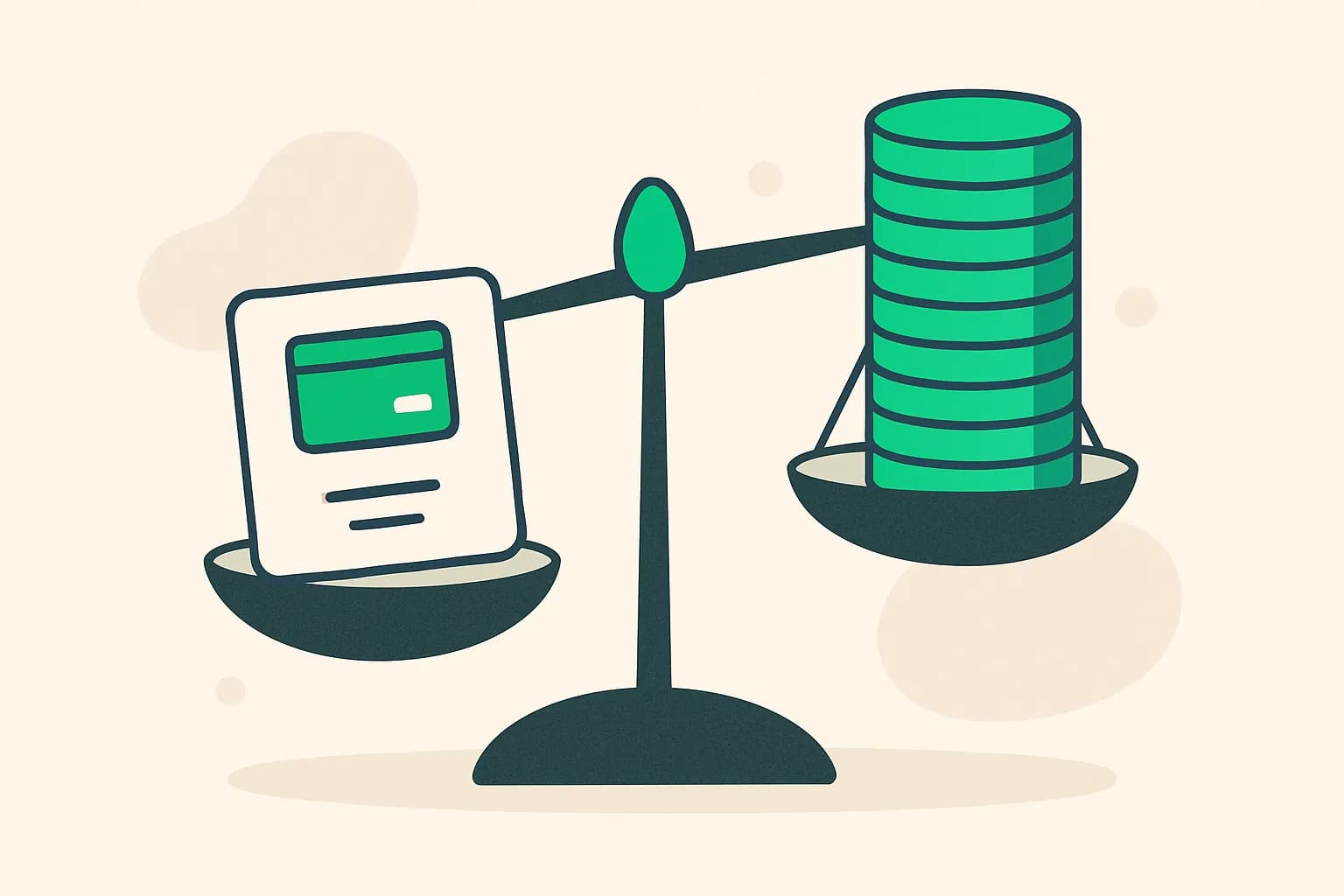
Apple plans to put usage limits on its server-based AI features and sell more capacity later. CEO John Ternus said on the November 2, 2026 earnings call that features relying on server-side models, including Siri AI and intelligent photo editing, "will have usage limits," and that customers who need more "will be able to purchase expanded access in the future." The quotes come from The Verge's report on the call. Apple's own earnings release confirms the quarter's figures and mentions "the all-new Siri AI," but does not cover the limits. No price, limit size or date has been published.
TL;DR: what is known about Siri AI limits
| Question | Answer | Source |
|---|---|---|
| Will server-side Siri AI have usage limits? | Yes, per Ternus | Earnings call, via The Verge |
| Which features? | Siri AI and intelligent photo editing named | Same |
| Will you be able to pay for more? | "In the future" | Same |
| How much? | Not announced | None |
| Which requests need servers? | Too early to say, per CFO Kevan Parekh | Same |
| Where might it live? | Ternus pointed to iCloud tiers as the model | Same |
| Which model powers it? | Models developed with Google Gemini technology, per The Verge | Verge report, not Apple's release |
What did Ternus say, exactly?
According to The Verge, Ternus said that features relying on server-side models "will have usage limits," and that "customers who need more capacity will be able to purchase expanded access in the future." He drew an analogy: "In the beginning, iCloud tiers were largely about storage, but we've been adding more capabilities and features to it." That points to a bundle inside iCloud plans, not a standalone Siri subscription, though Apple has not confirmed the packaging.
CFO Parekh addressed the cost side. Siri AI's cloud costs will show up in services cost of sales, and he said it is too early to predict how many requests will need servers instead of on-device processing. That uncertainty is the key unknown: if most requests run on the device, limits may rarely bite. If many go to servers, they will matter more.
Why Apple needs limits
Server-side AI has a marginal cost per request. Apple's capital spending in the quarter was $2.2 billion, which The Verge contrasts with Amazon's $77.3 billion and Alphabet's $51.4 billion (companywide capex, not only AI). With a small server footprint and a user base of more than 2.5 billion active devices, Apple cannot let every request run unmetered on its own servers or on partner models without a cap.
The same pressure showed up at other labs. OpenAI's Dots agent is gated to its top plan because of compute, as we covered in the Pro usage cut post, and Elon Musk said Grok Bot's serving cost was too high, which we examined in our Grok Bot cost post. Apple has now said, on an earnings call, that limits and paid expanded access are the plan for its server-based AI features.
Where does Siri AI come from?
The Verge says Siri AI "uses models developed with Google's Gemini technology," and that Apple reportedly plans to let users choose among outside providers for writing tools and image generation. We covered the earlier signals in our posts on the Ternus interview about Gemini and Siri and the Wired interview about not shipping AI for AI's sake. Siri AI launched in beta for U.S. English users in September and expanded to French, Japanese, Korean, Portuguese and Spanish in October, per The Verge.
What about AI that runs on the device?
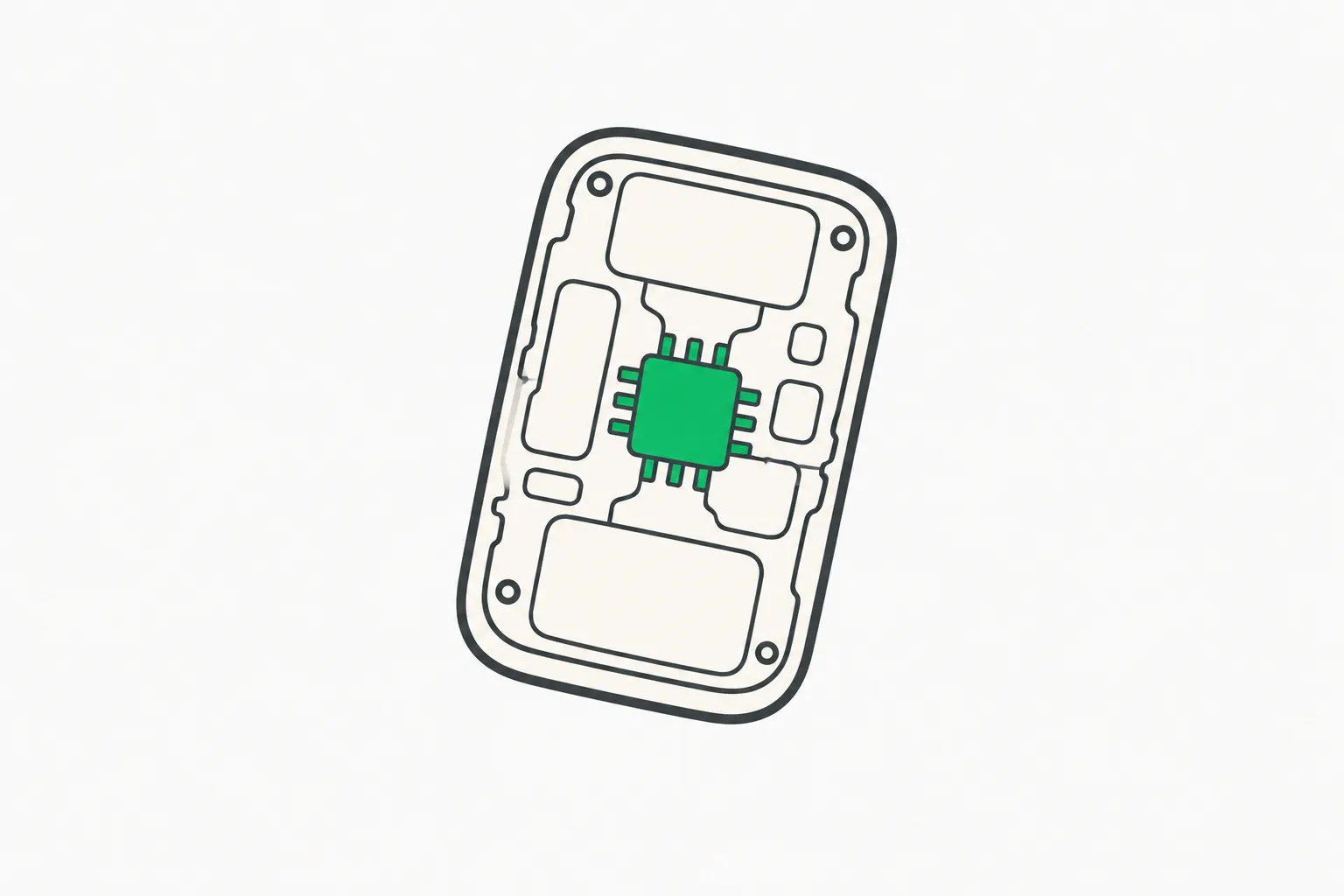 A green chip inside a handheld device cutaway, showing on-device Siri AI processing that avoids server usage limits
Apple's counter to server cost is local processing. Ternus said the Mac is "having an AI moment all its own," and called the Mac Mini and Mac Studio "pushing the boundaries of local, private AI." The Verge relays two examples from the call: Gap running AI for loss prevention entirely on Mac Mini computers across hundreds of stores, avoiding cloud token costs, and Christie's running local models on Mac Studio to improve workflows, including pricing estimates. Both examples are Apple's, with no figures on accuracy or savings.
For builders this is the contrast to watch. Cloud assistants are metered. Local models on Apple hardware are paid for once. Our posts on Apple's M6 Macs for local AI, MLX over Thunderbolt 5 for local inference, and Apple's partnership with Meta's Muse Spark cover that side.
How does Apple's plan compare with other assistants?
Most large assistants already meter heavy use in some form. ChatGPT ties its Dots agent to the top paid tier because of compute, and Adam Fry told Big Technology that Dots are "on the compute-heavier side" (see our post on ChatGPT's 1.2 billion weekly users and the Dots cost discussion). What is different about Apple's version is the channel. Apple does not sell a standalone chatbot. It sells devices, and it would add AI capacity to a storage subscription that many iPhone owners already pay for. If that happens, the upgrade path is one tap in Settings for people who already have an Apple account on file.
That also explains why Ternus used the iCloud comparison. iCloud began as a way to buy storage and became a bundle for backup, photos, mail and other services. A tier that raises both storage and AI allowances would let Apple change what each level includes over time without launching a new product. It is a reading of one analogy, not an announced plan, and Apple could still choose a different design.
How should you prepare?
- Do not pay for anything yet. There is nothing to buy. Wait for a price, a limit, and a clear definition of what counts.
- Note which Siri AI tasks you use most. When limits arrive, you will want to know whether you use the assistant for quick questions or for long tasks such as photo edits.
- Prefer on-device options for private or repeated work. If a task can run locally on a Mac or an iPhone, it will not draw on a server allowance. Our guide to Apple's local AI hardware lists what current Macs can run.
- Developers: plan for variable behavior. If your app calls Siri-related features or Apple's AI APIs, build for a case where a request is refused or deferred because a user hit a cap.
- Watch release notes and support pages. Apple tends to publish limits in support documents, not on stage.
Other facts from the quarter
Apple's release reports revenue of $114.5 billion, up 12 percent, and says Services reached an all-time high. The Verge reports iPhone revenue of $57.6 billion and Mac revenue up 24%, and that Apple warned about rising memory costs squeezing holiday-quarter margins. AI and Apple Intelligence were mentioned 45 times on the call, a record, per AlphaSense via The Verge. The Verge also notes that Apple has not disclosed how much revenue growth reflects AI demand. We treat these as context, not as the story.
What this means for users and developers
Users. Expect Siri AI to feel free at first, then to meet limits on heavy use. Until Apple publishes details, assume nothing about price. If you rely on Siri AI for work, watch for a settings page that shows your usage, as other assistants have added.
Developers. Apple can earn from AI in three ways, as The Verge lays out: sell the device, collect App Store commissions on AI app subscriptions, and charge for more of its own services. The report cites an earlier Wall Street Journal estimate that Apple would collect more than $1 billion in App Store fees from generative AI apps in 2026 (AppMagic data), and that OpenAI has started steering subscribers to pay on its website. If you sell an AI app on iOS, that fee fight affects your pricing.
Privacy. Server features mean data leaves the device. Apple has described a private approach for Siri before, but we have not seen new documentation on limits or data handling in this announcement. Compare with our look at AI agent privacy promises.
What is still unknown
- Price, limit size, reset period and launch date.
- Whether expanded access is in iCloud tiers, a separate plan, or per-use.
- Which requests count as server requests.
- Whether limits apply in all languages and regions, including China, where Apple Intelligence is due with iOS 27.3.
- Whether free users get a smaller allowance than paying ones.
Bottom line
Apple has told investors that metered, upsold AI is coming to Siri. The details are blank, and the first real test will be how many everyday requests need Apple's servers. Until then, treat "usage limits" as a plan, watch Apple's pages and release notes for numbers, and do not budget around a price that does not exist.
Details are accurate as of November 3, 2026, based on Apple's earnings release and The Verge's report of the call. Apple may change plans before launch.