



OpenAI is reportedly preparing to describe its data centers as "AI compute campuses." The detail comes from TechCrunch's November 1 report, which relays an Axios story about a post-midterm "PR blitz." The rename is one item on a list. The bigger story is that the company building much of the world's AI capacity now treats the public argument over data centers as a problem to manage before 2028.
This post separates what is reported from what is confirmed, explains why naming is a real front in the data center fight, and covers what readers who build with AI should take from it. For background on the local politics, see our coverage of the data center backlash in the midterm races.
TL;DR: what is reported and what is not
| Question | Answer |
|---|---|
| Did OpenAI announce the rename? | No announcement found. TechCrunch says OpenAI "might" adopt it, citing Axios. |
| Who spoke on the record? | Chris Lehane, OpenAI's chief global affairs officer, per the TechCrunch summary of Axios. |
| When is the push planned? | After the midterms, which fall on Tuesday, November 3, 2026. |
| What else is on the list? | AI "speed limits," showing AI's everyday benefits, and U.S. help on global AI standards. |
| Does a new name change anything physical? | No. Power draw, water use and noise are unchanged by the label. |
| Is this about pricing or product? | No. It is a communications and policy story with no change to ChatGPT, Codex or API terms. |
What does the report actually say?
TechCrunch's Anthony Ha writes that Axios reports OpenAI is preparing a PR push after the midterm elections. The article notes that Democrats seem likely to win back the House and possibly the Senate.
Lehane, per that summary, told Axios the midterms are a preview of 2028, when he expects AI to be a central issue in the presidential race. The reported ideas for shaping the debate are:
- Developing AI "speed limits," which TechCrunch links to its September 12, 2026 article on Anthropic's CEO outlining a plan to pace frontier AI.
- Showing people how AI empowers them in daily life.
- Pushing the U.S. to help develop global AI standards.
- Rebranding data centers as "AI compute campuses."
Lehane also called the data center debate "good and healthy," and said communities should hold companies "responsible and accountable," according to the same write-up. We could not open the Axios original, so everything above rests on TechCrunch's account of it. We found no OpenAI blog post or statement adopting the term.
Why would a company rename a data center?
Because the old name has become a political liability. TechCrunch's reporting over the past two months describes data centers as "deeply unpopular" (September 22) and now a midterm issue even in dense urban districts (October 31). When a word attracts moratorium votes, a company has two options: change the project or change the word.
Language fights like this are not new in tech policy. "Cloud" replaced "server farm" in marketing a decade ago, and "campus" is the same move: it sounds like a university or an office park, not a building full of chillers. The rename tests whether a softer word survives contact with a zoning hearing.
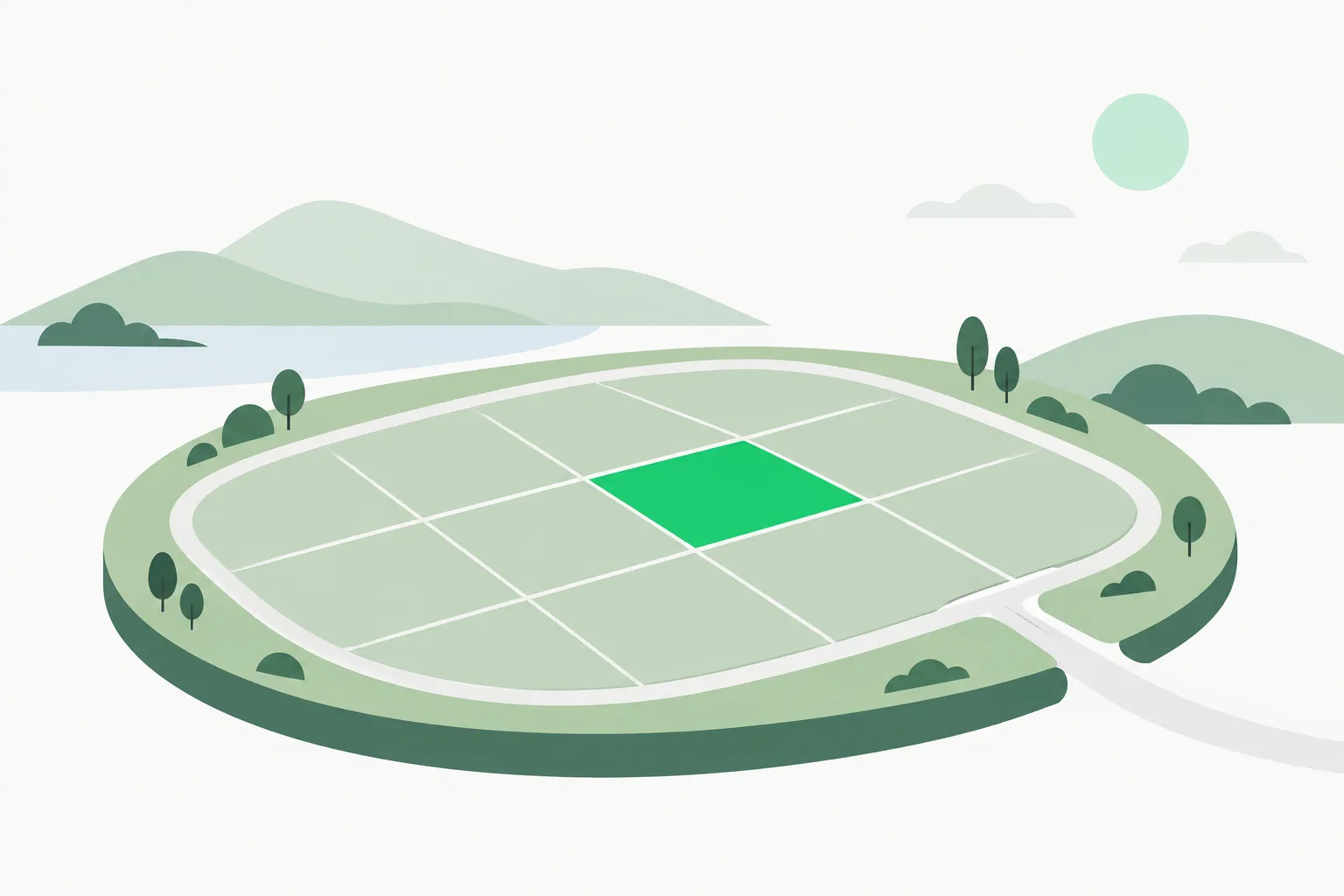 Land plot grid illustrating a campus-style site plan for an AI compute campus
That image is only an illustration of a site plan. The point is that "campus" frames a multi-building site, and several of the largest AI projects are indeed multi-building, multi-gigawatt sites. OpenAI's own planning figures are in our report on its $750 billion compute spend through 2030.
How does this sit with the data center backlash?
The fight has moved from environmental hearings into elections. Our earlier posts track the pattern: AI super PACs outspending in the midterms, state bills on data center and AI infrastructure, and candidates running on moratoria.
TechCrunch's own report adds two data points worth keeping in view:
- Amazon and Microsoft said they will stop using NDAs in negotiations with local governments over data centers, following public backlash (TechCrunch, October 3, 2026). Secrecy during siting was one of the most common complaints.
- A judge allowed an NAACP lawsuit over xAI data center pollution to proceed (TechCrunch, October 31, 2026). That is a legal track, where a label matters little and monitoring data matters a lot.
A rename sits awkwardly next to those. Dropping NDAs changes what communities can see. A new noun does not.
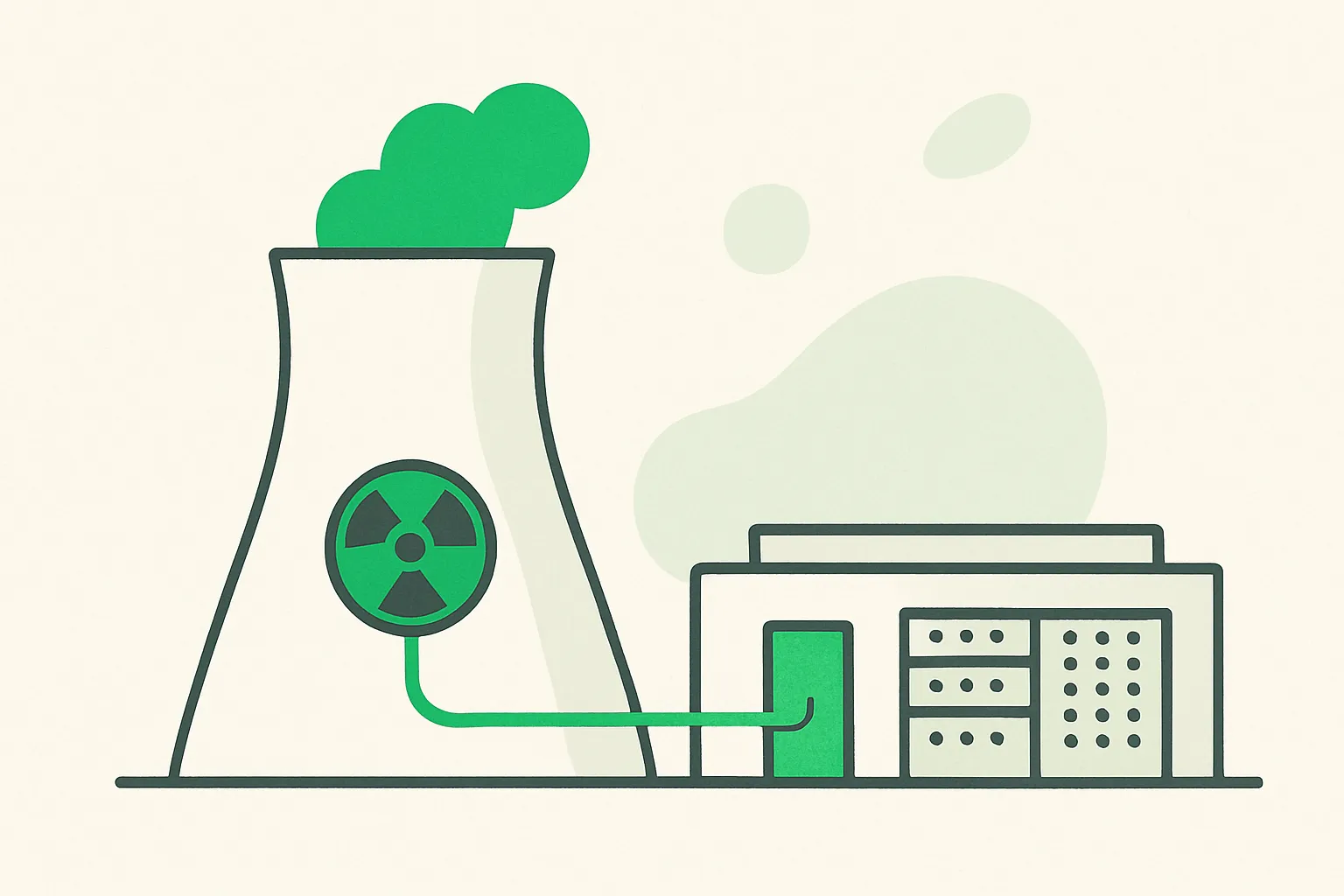 Cooling tower and data hall showing the physical load behind an AI compute campus
What is OpenAI's election posture so far?
This is not the first time OpenAI has planned around the vote. In January 2026, Semafor reported on OpenAI's roadmap for the U.S. midterms. In October we covered the OpenAI election war room and the Democrats' AI regulation positioning ahead of the vote.
What is new in the reported plan is the sequencing. The messaging push is reportedly timed to start after the election, when a likely change in congressional control raises the odds of AI oversight hearings and bills. Naming "speed limits" in the same breath as a rename suggests OpenAI wants to be seen proposing guardrails before others write them.
How should readers weigh a PR plan reported second-hand?
Communications strategies leak because they are circulated widely before launch, and outlets such as Axios often report them from people briefed on the plan. That makes them useful early signals and poor guarantees. Plans get trimmed, wording gets tested with focus groups, and a phrase that sounds fine in a memo can die once reporters ask about it.
Two habits help. First, separate the quoted person from the paraphrased plan: Lehane's remark about 2028 is attributed to him, while the list of ideas is the reporter's summary. Second, look for a deliverable. A rename is cheap to float and easy to drop, whereas a published "speed limits" proposal, a siting policy or a disclosure commitment can be checked against later behavior.
Claimed versus verified
| Claim | Source | Status |
|---|---|---|
| OpenAI is preparing a post-midterm PR blitz | Axios, via TechCrunch | Reported, original not opened by us |
| It may rebrand data centers as "AI compute campuses" | Axios, via TechCrunch | Reported as "might," no OpenAI statement found |
| Lehane expects AI to be central in 2028 | Axios interview, via TechCrunch | Attributed quote, second-hand |
| Amazon and Microsoft are dropping NDAs | TechCrunch, Oct 3 | Reported; check each company's statements |
| OpenAI is proposing AI "speed limits" | Axios, via TechCrunch | Reported; no published proposal found |
How to check for yourself: watch OpenAI's global affairs pages and Lehane's public posts after November 3, and see whether press materials for new Stargate sites start using the phrase. If they do, the report is confirmed in practice. If project announcements keep saying "data center," the label was floated and shelved.
Does this change anything for people who build with AI?
Indirectly, yes. Compute supply is the constraint behind API prices, rate limits and model release timing. Anything that slows siting, from moratoria to lawsuits, tightens that supply. Our posts on Nebius raising GPU rental rates and on the chip-vendor financing loop show how sensitive pricing is to capacity.
For builders, the practical takeaways are modest:
- Watch local siting news for regions your cloud provider uses. Delays show up later as capacity constraints.
- Do not read a rename as a policy change. The reported "speed limits" idea is the substantive part, and it has no published text yet.
- Expect the vocabulary to spread. If other labs adopt the same wording, that is a signal of coordinated messaging, not engineering change.
The rebrand also fits a wider pattern we tracked in how big tech leaders rebranded AI as "super intelligence" and in the list of companies that followed. Branding is now part of AI strategy, and it deserves the same skepticism as a benchmark claim.
What to watch next
Four things will tell you whether this is a real strategy or a trial balloon:
- Election results on November 3 and whether data center moratoria or AI regulation appear in winning platforms.
- OpenAI's first public use of the phrase in a site announcement or policy paper.
- The text of any "speed limits" proposal, and whether it binds OpenAI or only others. The White House side of that debate is in our report on the super intelligence task force and the incident disclosure mandate.
- Community reaction. If residents treat "campus" as spin, the label becomes a talking point for opponents.
Bottom line
The reported plan is real enough to cover and thin enough to hedge. A news outlet says an Axios source says OpenAI might call data centers "AI compute campuses" after the election. The company has not confirmed it, and no one has shown it changes how a single project is built or powered. The substance to watch is the NDA reversals, the pollution lawsuits and whatever "speed limits" turn out to mean.
Related reading
-
OpenAI weighs resetting 2027 data center capacity: claimed vs verified
-
OpenAI National Community Compact (Nov 5): what the published commitments say
-
OpenAI Grid Protectors Program: 1,000 MW of flexible demand in Georgia
Details are accurate as of November 2, 2026. The report is second-hand and may change once OpenAI comments.