



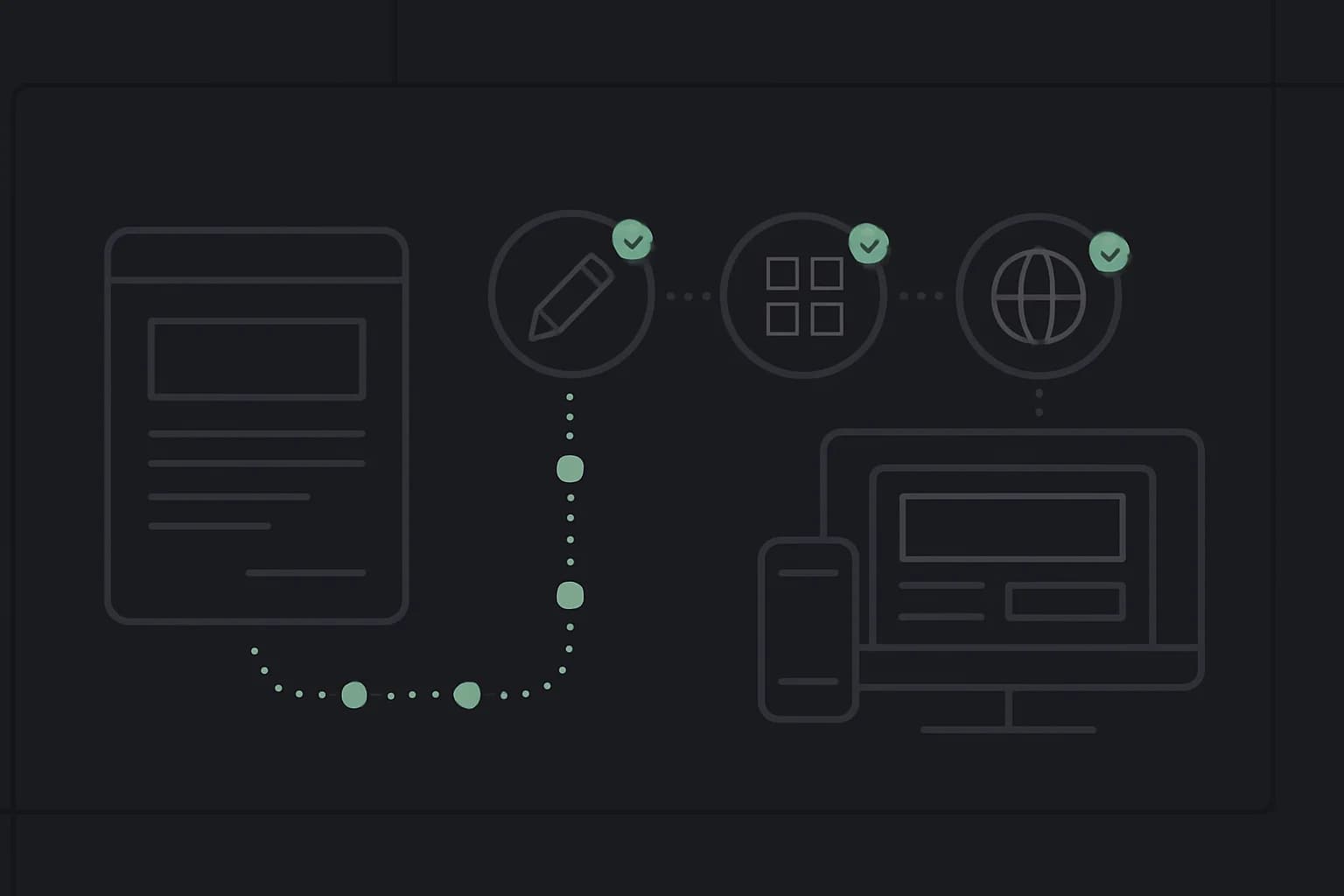
Meta is positioning its Muse AI agent as more than an assistant — the company's pitch is a "business in a box," an agent capable of setting up a storefront, running marketing, and processing transactions for a small business end to end, with Meta collecting a commerce tax on every transaction that flows through it. It's a significant escalation from "AI helps you run your business" to "AI runs your business, and Meta takes a cut of the result."
TL;DR
| Question | Answer |
|---|---|
| What is "business in a box"? | Muse handling storefront setup, marketing, and transaction processing for a small business end to end |
| What's the "commerce tax"? | A percentage fee Meta collects on transactions processed through Muse-run commerce flows |
| How is this different from Shopify-style fees? | The AI agent itself builds and operates the business, not just the checkout — deepening Meta's control over the full relationship |
| Is Muse considered safe? | See explainx.ai's dedicated review, Is Meta's Muse Safe to Use?, for the privacy and safety assessment |
| What's the main risk for adopters? | Lock-in — handing the entire customer relationship and commerce data to one platform makes later migration difficult |
| Who does this benefit most? | Meta, structurally — it's a direct example of the "own the customer relationship, make money flow through you" platform strategy |
What Meta is actually proposing
The "business in a box" framing signals a specific ambition: rather than Muse being one tool among several a small business owner uses (a chatbot for customer service, a separate ad-buying tool, a separate storefront platform), Muse becomes the single agent orchestrating the entire operational stack. That includes the parts of running a business that have historically required either separate specialized SaaS tools or direct human effort — building and maintaining a storefront, running marketing campaigns, and processing the actual transactions with customers.
The commerce tax is the monetization mechanism attached to that ambition. Rather than charging a flat subscription fee for access to Muse as a tool, Meta's model takes a percentage of the transactions Muse itself processes — meaning Meta's revenue scales directly with how much commerce actually flows through businesses that adopt the agent, not with how many businesses merely have access to it.
Why this is a textbook "own the relationship" play
This model maps closely onto the platform-power strategies explainx.ai covered in Paul Graham's "Making Startups Powerful" essay — specifically Graham's argument that a company becomes structurally more powerful when it transforms from a mere component supplier into the entity that owns the customer relationship, and when money flows through it directly rather than around it. Muse-as-business-in-a-box does both simultaneously: it makes Meta the operational layer running the actual business (not just an ad platform sitting next to it), and it makes every transaction processed by that business flow through Meta's own commerce infrastructure, generating a direct percentage-based revenue stream rather than an indirect advertising fee.
That's a different, more structurally entrenched position than Meta's traditional ads business, where a merchant could run a storefront on Shopify, use a separate CRM, and simply buy ad placement from Meta to drive traffic to it — keeping Meta as one vendor among several rather than the operator of the underlying business itself.
How this compares to existing commerce-platform fee structures
Platforms like Shopify, Stripe, and various marketplace operators already charge a percentage-based fee on transactions processed through their infrastructure — this isn't a new pricing model in isolation. What's different about Meta's approach is the scope of what's bundled into the fee. A Shopify fee covers checkout and payment processing for a storefront the merchant built and controls; Meta's Muse commerce tax is attached to a storefront, marketing campaign, and transaction flow that Muse itself built and operates, meaning the merchant's actual day-to-day involvement in running the business shrinks considerably compared to a traditional platform relationship.
That distinction matters for anyone evaluating whether to adopt this model for their own small business. The convenience trade-off is real — genuinely handing off storefront setup, marketing, and transaction handling to an agent removes a substantial amount of operational overhead a solo founder or small team would otherwise have to manage themselves. But the corresponding cost is a much deeper dependency: a business that never builds its own storefront, never runs its own marketing campaigns, and never directly manages its own transaction processing has effectively outsourced the entire durable, transferable infrastructure of the business to one vendor, making a future migration to a different platform (or to running things independently) far more disruptive than switching a single tool would be.
Who this model actually serves best
It's worth being specific about which kind of business benefits most from a business-in-a-box arrangement, since the pitch reads very differently depending on the seller's situation. For a genuinely time-constrained solo operator — someone selling a physical product on the side of a full-time job, or a creator monetizing an audience without the bandwidth to build separate marketing and checkout infrastructure — the trade of "give up some margin and some control in exchange for near-zero operational overhead" can be a rational, even obviously correct, choice. The alternative for that seller isn't a lovingly hand-built independent storefront; it's often no storefront at all, because the operational burden of stitching together separate tools was the actual barrier to starting in the first place.
For a business with genuine growth ambitions — one that expects to eventually need direct customer data, a distinctive brand identity independent of any single platform, or the negotiating leverage that comes from owning its own infrastructure — the calculation looks different. Handing the entire operational stack to Muse from day one means that if the business succeeds and wants to renegotiate terms, build its own loyalty program, or migrate to different processing infrastructure with better economics at scale, it's starting that migration from a position of maximum dependency rather than incremental dependency. The practical advice for anyone evaluating this model isn't "avoid it" or "adopt it wholesale" — it's to be deliberate about which specific functions (storefront, marketing, transaction processing) are worth centralizing into one agent versus keeping independently controlled, based on how much the business expects to grow and how much platform risk it's willing to accept in exchange for the operational simplicity.
Is Muse itself safe to hand this much control to?
The commerce-tax business model is a separate question from whether Muse is safe to use in the first place — data handling, privacy, and behavioral safety are covered in explainx.ai's dedicated review, Is Meta's Muse Safe to Use? The Honest Verdict. That review is worth reading before evaluating the business-in-a-box pitch specifically, since a business owner considering handing Muse control over their entire commerce operation — not just a single assistant task — should weigh both questions together: is the underlying agent safe and reliable, and separately, is the degree of platform lock-in this specific product model creates acceptable for the convenience it offers.
What's still unconfirmed
As of publication, Meta hadn't released a full public specification of the exact commerce-tax percentage, which categories of transaction it applies to, or a firm rollout timeline — the "business in a box" framing and the tax mechanism itself are reported based on Meta's stated direction rather than a finalized, published pricing sheet. That's worth flagging plainly: the structural analysis in this post (platform lock-in, the "own the relationship" dynamic, the comparison to Shopify-style take rates) holds regardless of the exact percentage Meta ultimately settles on, but any specific numbers should be treated as provisional until Meta publishes official commerce terms for Muse.
The broader pattern across agentic commerce products in 2026
Meta isn't alone in pursuing this model — it's part of a broader 2026 trend of AI companies moving from "assistant that helps with tasks" toward "agent that operates a commercial relationship on the business's behalf and takes a cut of the outcome." explainx.ai's coverage of Claude's open-source commerce agent blueprint documents a structurally different approach to the same underlying opportunity — an open, inspectable blueprint a business can adapt and self-host rather than a closed commercial product with a built-in take rate. That contrast is a useful reference point for evaluating Meta's specific pitch: the business-in-a-box convenience Muse offers isn't the only way to get AI-run commerce operations, it's one specific tradeoff among several, and the alternative (open, self-hosted agent commerce infrastructure) explicitly avoids the platform-tax and lock-in dynamics this post has focused on, at the cost of requiring more technical setup and ongoing maintenance the business itself has to own.
Related reading
- Is Meta's Muse Safe to Use? The Honest Verdict
- Paul Graham's "Making Startups Powerful": The Full Framework Explained
- Claude Commerce Agents: An Open-Source Blueprint
- NVIDIA Inception: Free Cloud Credits and VC Intros for AI Startups
- Is "Harness" Software the Only Startup Left? The YC Batch Debate
- Claude Code for Product Managers, Founders, and Marketers
This post reflects Meta's stated plans for Muse as of September 14, 2026. Specific commerce-tax percentage rates and rollout timeline had not been fully published at time of writing — check Meta's official product pages and current terms of service for current pricing, availability, and any region-specific rollout details before making a business decision based on this summary.