



If your Claude Fable 5.2 coding agent keeps appending duplicate helpers instead of consolidating them, Anthropic's answer is not a bigger model swap. It is one sentence about who owns the repository. On November 10, 2026, Simon Willison surfaced the line from Anthropic's Prompting Claude Fable 5.2 guide; the same text ships in the official docs under Say who owns the code. This post explains what that prompt does, what Anthropic measured, when to use it, and how it fits next to effort levels and harness rules you may already carry from Fable 5.1 prompting or loop engineering for coding agents.
TL;DR
| Question | Answer |
|---|---|
| What should I add? | This codebase is yours: what it's for and how it's built are your call, and you'll keep building on it. |
| What changes? | More duplicate-code merges and more drive-by fixes near the edit; less "report only" behavior |
| Measured effect? | ~50% merge rate with the line vs under ~10% without it on Anthropic's small coding tasks |
| Cost? | ~1.5× output tokens; extra tests/docs; occasional unrequested behavior changes |
| When to skip? | User-owned repos where you want surgical patches only |
| Works with "no refactors" rules? | Partially — merges still happened ~⅓ of the time in Anthropic's combined tests |
Why Fable 5.2 cares about ownership
Earlier Claude coding models often treated the repository as someone else's house: extend what exists, avoid touching unrelated files, and mention nearby problems instead of fixing them. Fable 5.2 is more prompt-contingent. Anthropic's guide states that when the prompt is silent on ownership or frames the code as belonging to another team, the model adds to the existing structure even when that repeats code. It also reports nearby issues instead of repairing them.
When the prompt says the codebase is the model's own, behavior flips: the model merges repeated code and makes related fixes without an explicit ticket for each one. That is useful inside long-running agent harnesses where you want the agent to pay down structural debt as it ships features — the same philosophy as thin prompts and thick artifacts, but aimed at repository psychology rather than document shape.
The mechanism is not mystical. It is permission and identity in the system prompt. Agent builders already know that context engineering and harness wording move tool-use patterns; Fable 5.2 makes that dependency explicit for refactor appetite.
The exact prompt Anthropic recommends
From the official Say who owns the code section:
This codebase is yours: what it's for and how it's built are your call, and you'll keep building on it.
Anthropic positions this for teams that want the model to improve structure as it works. The sentence can live inside a long system prompt; the measured merge-rate gap held in that setting.
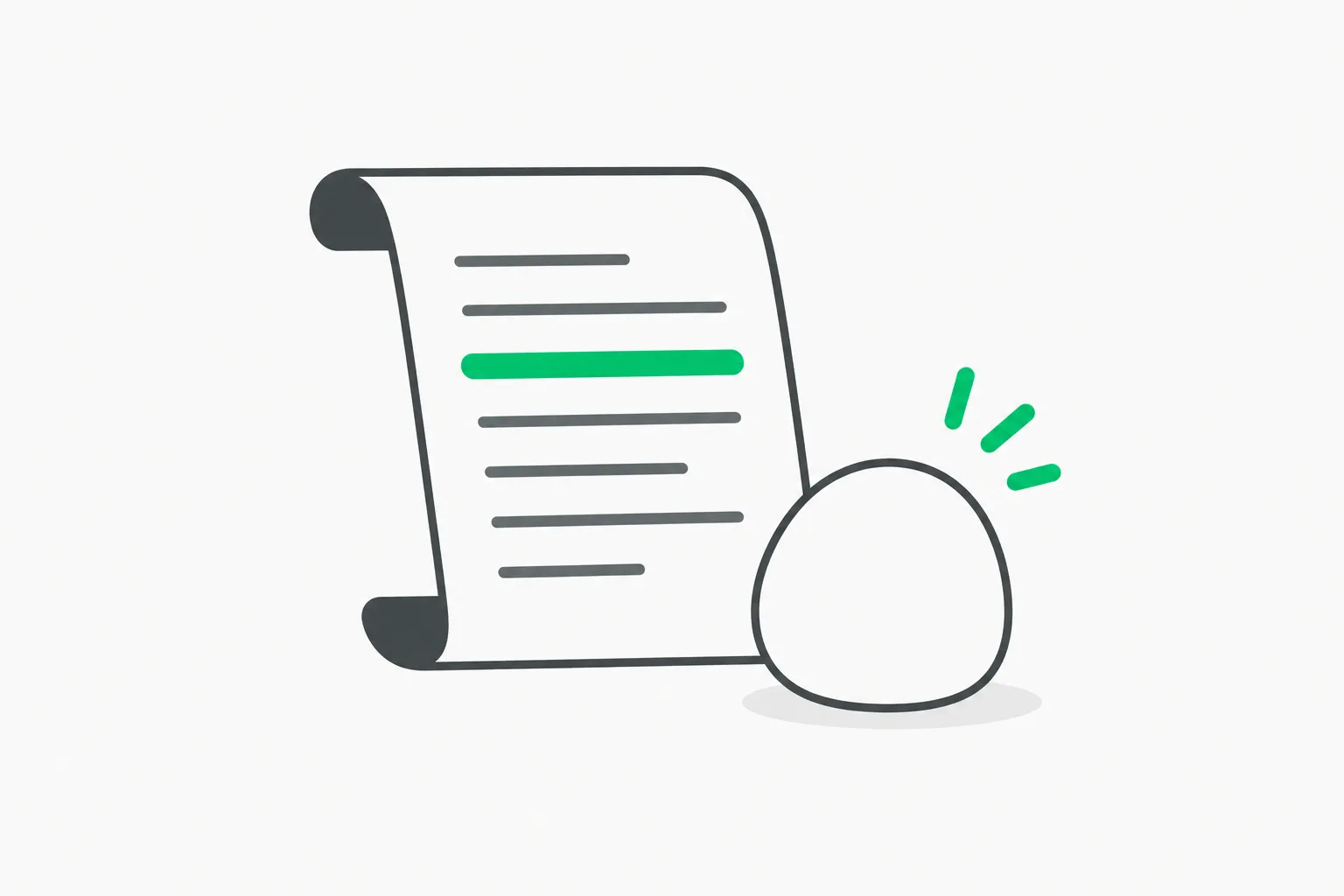 System prompt script with a highlighted ownership line for Claude Fable 5.2 coding sessions
Do not paste it blindly into every Claude Code project. The guide's counterpart is clear: when the human owns the code and wants minimal surface area, omit the ownership line. Product and open-source maintainers accepting drive-by patches from agents should keep it out of default harnesses.
What Anthropic measured
Anthropic reports results from small coding tasks in its internal testing — not a public benchmark leaderboard. Treat the numbers as directional, but they are specific enough to plan around:
| Metric | With ownership line | Without ownership line |
|---|---|---|
| Duplicate-code merge attempts | ~half of tries | under ~10% of tries |
| Output tokens | ~1.5× higher | baseline |
| Unrequested behavior changes | ~1 in 6–10 tries at higher effort | lower |
| Closing summary completeness | Often omits small diffs | n/a |
The guide also notes that bug fixes rise with ownership framing, while unrequested changes skew toward tests and documentation. At higher effort settings — see Fable 5.2 vs Opus routing — the rate of behavior changes climbs further.
Interaction with "no drive-by refactors"
Many harnesses already say no drive-by refactors, renames, or cleanups. Anthropic tested that combination. A limit-scope rule does not cancel the ownership sentence: with both present, the model still merged repeated code in about a third of tries. If you need strict surgical edits, remove the ownership line and keep narrow task scopes; do not assume a generic anti-refactor bullet overrides Fable 5.2's ownership interpretation.
When builders should use it
Use the ownership line when:
- The agent runs multi-hour sessions on a greenfield or internal service you control
- You want consolidation of copy-pasted utilities as features land
- Your evals reward structural health, not only passing the latest ticket
- You accept reviewing a larger diff in exchange for less duplicate logic
Skip it when:
- You maintain a popular open-source repo and contributors expect minimal diffs
- You are debugging production under change-control rules
- You pair Fable with human review gates that punish surprise files
- Your agent harness already delegates refactors to a separate skill or subagent
For comparison shopping against OpenAI's Codex harnesses, remember that ownership framing is Anthropic-documented behavior; it is not automatically mirrored on Codex vs Claude Code setups. Port the idea (explicit refactor permission), not necessarily the same sentence.
Pair with other Fable 5.2 prompt sections
The same guide ties ownership to adjacent problems teams already hit after the November 9 Fable 5.2 launch:
Finish the whole task — At low and medium effort, turns can end with a to-do list instead of completed work. Anthropic supplies system text to reduce early stops; ownership does not fix that by itself.
Approvals — Telling the model to keep going can trigger over-broad approval rules (for example, blocking routine messages to colleagues). Name exact actions that need human sign-off.
Keep users informed during long turns — Fable 5.2 may issue long silent tool chains. Clients need thinking.display set to updates or summarized to show progress between tools; ownership does not change that UX gap.
Review instructions written for earlier models — Prompts tuned on Fable 5.1 or Opus 5.5 should be re-tested; ownership is one of several Fable-5.2-specific deltas.
Practical rollout checklist
- Fork the system prompt for agent projects vs interactive edits. Interactive chat often wants no ownership line; overnight agents often want yes.
- Log diff stats for a week: lines changed outside the ticket path, new test files, doc-only commits.
- Set effort deliberately — higher effort amplifies unsolicited changes when ownership is on.
- Require human review on behavior-changing paths; summaries are unreliable for small edits per Anthropic's note.
- Document the choice in
CLAUDE.mdor team skills so every engineer knows which mode a repo runs in. See what agent skills are for where such rules live.
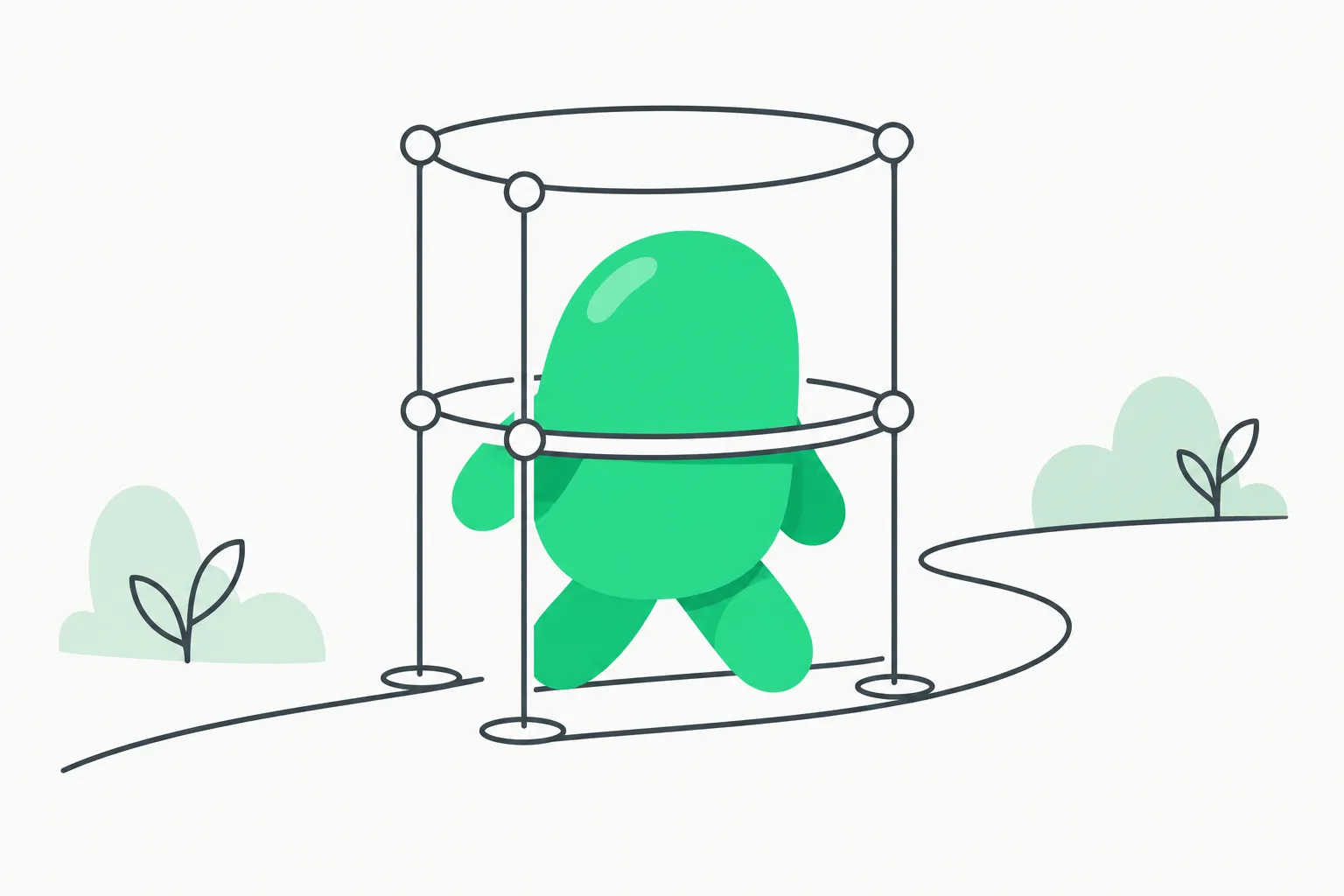 Claude Fable 5.2 coding agent scaffold showing how an ownership line in the system prompt steers refactor behavior
What developers are saying
Simon Willison's November 10 quote post helped surface the ownership line, but we did not find a substantive Hacker News discussion of that page yet. The merge-rate figures in this article come from Anthropic's published testing, not independent community benchmarks.
How this differs from Fable 5.1 habits
Teams migrating from Fable 5.1 often inherit prompts written when Anthropic emphasized density and restraint in prose and structure. The Fable 5.1 prompting guide focused on writing tone, not repository identity. Fable 5.2 adds explicit behavioral levers — ownership, finishing work, subagent expectations — because the model's default agentic stance changed.
If you copied a 2025 Claude Code system prompt forward without edits, you may still be in tenant mode while paying Fable 5.2 prices and prefix-check migration costs documented in the November 9 API notes. Re-run a handful of representative tickets with and without the ownership line on the same branch before changing production harnesses.
For Mythos 5.2 deployments under verification programs, the same sentence applies; access tier does not change the underlying prompt guidance on the Claude Platform docs site.
Examples in plain language
Imagine a task to add a new API route where two existing handlers already duplicate validation logic.
- Without ownership text, Fable 5.2 may add a third copy of validation beside the new route and note in the summary that duplication exists elsewhere — matching Anthropic's report instead of fix description.
- With ownership text, the same run is more likely to extract shared validation while implementing the route, then mention both the feature and the consolidation in the recap — at the cost of touching files outside the narrow ticket.
Imagine a library bump task.
- Without ownership, the model may apply the minimal version change you asked for.
- With ownership, it may also adjust deprecated call sites it notices nearby, add tests covering the upgrade path, and expand documentation — useful in internal services, risky in upstream dependency PRs you do not control.
These are patterns from Anthropic's qualitative description, not guarantees on your repo. Your language stack, test coverage, and linter strictness still dominate outcomes.
Security and scope caution
Ownership framing encourages the model to touch more files and change behavior without a ticket. That raises the stakes for indirect prompt injection on repos with untrusted issues or comments, and for supply-chain edits in monorepos. If your harness runs with broad write access, pair ownership prompts with branch protection, required review, and tests — the same bar as any long-horizon coding agent.
Bottom line
Fable 5.2 does not default to "senior engineer on your codebase." It defaults to tenant behavior unless you tell it it owns the house. Anthropic's one-line ownership prompt is the switch. Turn it on when you want merge-heavy, fix-nearby agent runs and can afford larger diffs and token bills. Leave it off when your users or contributors expect surgical patches only — and do not assume a generic anti-refactor rule fully disables the effect.
Prompt text and statistics reflect Anthropic's Prompting Claude Fable 5.2 documentation as of November 10, 2026.