



Anthropic's Claude Ship is a GitHub packaging layer for three agents — Code Review, PR Steward, and Claude Approvals — aimed at Team and Enterprise customers. Official documentation on PR Steward (November 2026) states PR Steward is in public beta, works on open pull requests, and sits beside the Code Review service that reached general availability in October 2026, per The Verge's November 23 report. The same piece covers the Claude Approvals beta, citing Anthropic's description of policy-driven merge signals.
TL;DR
| Piece | What it does | Where it runs |
|---|---|---|
| Code Review | Multi-agent diff review with verification step | Anthropic cloud; GA |
| PR Steward | Fixes CI, conflicts, review comments; pushes commits | Anthropic cloud; beta |
| Claude Approvals | Can approve routine PRs if policy allows | Anthropic cloud; beta |
/ship command | Local open-PR + review + watch in your terminal | Your Claude Code session |
PR Steward in Anthropic's docs
PR Steward watches eligible pull requests and:
- Attempts fixes when CI checks fail and the cause is in code the PR touches.
- Merges the base branch and resolves merge conflicts when possible.
- Responds to human review comments with small code changes, or replies without pushing when the ask is architectural.
- Works on Code Review "Important" findings and some third-party bot lint output.
- Interacts with the Claude Approvals check — fixing issues that block approval but not substituting for required human reviewers.
Active PRs carry the claude-pr-steward-watching label. Stop with @claude stop or by removing the label.
Billing: token usage goes to the organization's usage credits, with optional Owner-set spend limits — unlike /steward, which consumes the individual developer's session quota.
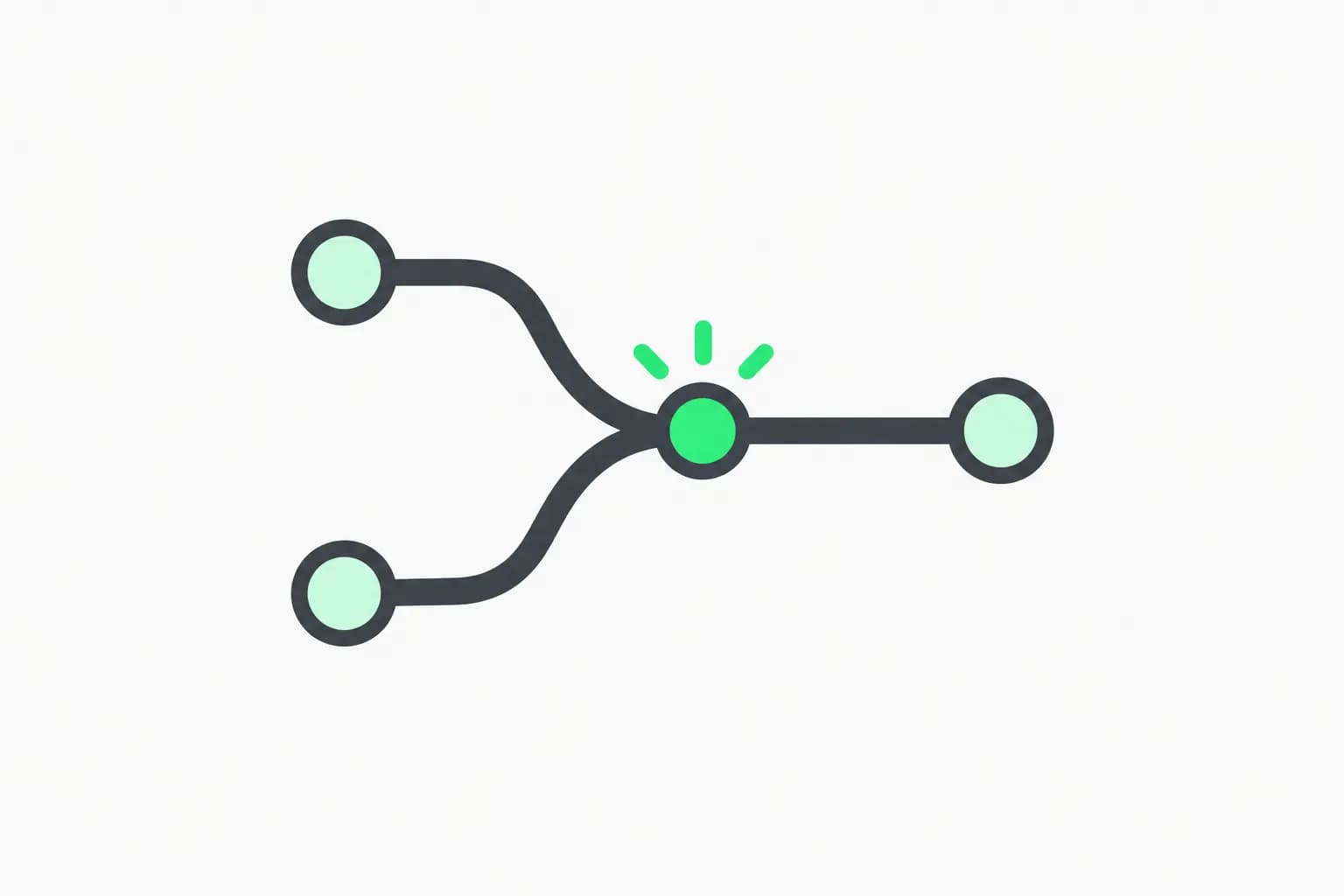
 Branching lines merging at a green node, illustrating Claude Ship PR Steward resolving merge conflicts on GitHub
Code Review context
Code Review documentation explains the Find → Verify → Rank → Post pipeline, Quick/Standard/Deep cost tiers, and repository REVIEW.md guidance. A review does not by itself approve a PR; findings feed Claude Approvals when configured.
Teams already using GitHub stacked PR previews or ABC Legal's agent fleet should decide whether cloud Steward or local /ship fits compliance: Steward acts as the GitHub App, while local watches use your gh identity.
Claude Approvals (what outlets report)
Anthropic told reporters Claude Approvals can approve routine changes when policy permits, weighing Code Review output or natural-language classifiers. explainx.ai could not fetch a dedicated claude-approvals docs URL (404 on November 23); treat merge automation details as beta and verify in admin setup before changing branch protection.
Pair this with Anthropic zero-trust agents framework thinking: automatic approvals need explicit policy files, not default-on trust.
Security and agent boundaries
PR Steward does not run in your laptop sandbox — it is cloud. For teams hardening agents, compare:
Steward skips fork PRs and bot-opened PRs, but any write-access collaborator can still influence watched branches — keep CODEOWNERS and required reviewers.
Getting started checklist
- Owner installs Claude GitHub App and enables Code Review + PR Steward repositories.
- Add
REVIEW.md/CLAUDE.mdguardrails so Steward does not chase style-only nits. - Configure Claude Approvals policy if you want machine sign-off on low-risk diffs.
- Leave branch protection requiring human review for sensitive paths.
- Pilot on one service repo before org-wide rollout; compare spend on org credits versus developer
/shipsessions.
Owner setup path (from Anthropic docs)
Anthropic's Set up PR Steward flow mirrors Code Review installation:
- Confirm Team or Enterprise plan and GitHub host requirements (including GHES on port 443).
- Install the Claude GitHub App with repository scope.
- Toggle PR Steward per repository; choose draft inclusion and auto-start versus on-demand modes.
- Set monthly spend limits on Steward if your finance team caps org credits.
- Add
REVIEW.mdon default branch — Steward and Review both read base-branch guidance, not PR-head experiments.
Owners can steer Quick versus Deep Code Review tiers separately from Steward intensity; higher tiers burn more tokens per review per Code Review costs documentation.
What Steward will not do (explicit limits)
Documentation repeats guardrails worth quoting for security reviewers:
- No merge and no approve — branch protection stays yours.
- Skips forks, bot PRs, and authors without write access.
- Conflicts with auto-fix: requesting Auto-fix while Steward watches fails — pick one automation path.
- HIPAA / ZDR / CMEK orgs — not available (same gating as Code Review).
When Claude Approvals waits on human sign-off, Steward may fix code-level blockers but cannot satisfy policy-only gates.
Cost model versus developer sessions
| Path | Billed to | Best for |
|---|---|---|
| PR Steward | Organization usage credits | Always-on hygiene on high-volume repos |
/steward watch | Individual Claude Code quota | Private branches, air-gapped review |
/ship + local review | Individual session | Pre-PR polish before opening |
| Ultrareview cloud | claude.ai account rules | Exploratory refactors |
Finance teams should compare org credit burn on Steward against developer-hour savings on CI retry loops — Anthropic does not publish a public dollars-per-fix sheet; instrument claude-pr-steward-watching duration per repo.
Policy files for Approvals (reported beta)
The Verge summarized Claude Approvals as reading Code Review outputs or custom natural-language classifiers. Until a public policy schema ships, enterprises should:
- Mirror severity thresholds already used in
REVIEW.md. - Require human CODEOWNERS on auth, billing, and customer-data paths.
- Log approval events in SIEM — Steward commits appear as the GitHub App, not individual developers.
Cross-read Anthropic SOC2 and trust center commitments with your vendor security questionnaire; cloud Steward increases third-party write frequency to production branches.
Failure modes teams report in similar tools
Even without Anthropic publishing a Steward incident log, parallels from AI-assisted PR safety apply:
- Over-eager fixes that pass CI but break semantics — keep integration tests required.
- Comment spam on large diffs — cap Deep review frequency.
- Secret exfiltration via suggested commits — deny
.envpaths inREVIEW.md. - Approval laundering — if Approvals beta is on, audit who can edit approval policy YAML.
 Pair of reviewers inspecting code tiles, illustrating Claude Code Review before PR Steward pushes fixes
When to keep humans in the loop
Use Steward for mechanical follow-through (lint, flaky test retries, merge-base updates). Keep humans for:
- Threat modeling and crypto review per zero-trust agent programs.
- Product tradeoffs Steward explicitly refuses to decide.
- Regulated industries where machine approval is not legally recognized.
FAQ-style comparisons readers search
Claude Ship vs GitHub Copilot code review? Microsoft routes Copilot through Ignite MAI Code policies; Anthropic bundles Review + Steward + Approvals under one GitHub App. Compare policy files, not press names.
Does PR Steward replace Dependabot? No — dependency PRs still need supply-chain review; Steward focuses on author PRs you open.
Can I use Steward on GitLab? Docs list github.com and GHES; GitLab CI integrations require custom Actions pipelines instead.
Where is Claude Approvals documented? As of November 23, explainx.ai relied on Verge reporting plus PR Steward cross-links; fetch docs.anthropic.com approvals pages when Anthropic publishes them.
Does Steward run tests locally? It works from cloud with read-only repo access during review; it does not replace your CI runners — it reacts to check results.
What about monorepos? Steward watches per pull request; large monorepos should still scope CI so Steward does not thrash on unrelated failing jobs. Use REVIEW.md to tell Review and Steward which paths matter for a given service.
How long can a watch run? Local /steward watches end after seven days or when the PR merges per docs; cloud PR Steward uses the claude-pr-steward-watching label lifecycle — confirm current timeout text in admin UI when you enable beta.
Incident response if Steward pushes a bad fix
Runbooks should assume Steward can merge commits to your branch while labeled:
- Freeze merges on the repo if a suspect commit lands — use GitHub rulesets temporarily.
- Revert the Steward commit with a normal
git revert; do not rely on Steward to undo itself. - File an internal ticket with PR URL, check name, and comment thread — Anthropic docs link Troubleshoot PR Steward for org owners.
- Rotate secrets if the diff touched credential paths, even if Steward was read-only during review — commits are writes.
For prompt-injection via review comments, treat untrusted reviewer text like untrusted user input — a topic we cover in together-ai prompt leak style supply-chain posts.
Document a STEWARD.md escalation path in .claude/skills/steward/SKILL.md if your org needs named humans paged when Steward touches auth, payments, or customer tables.
Roll out Claude Ship on a low-risk service repo first: measure median time-to-green-CI with and without PR Steward, then expand to payment or data services only after Approvals policy review. Capture baseline human review hours so finance can compare org credit spend to engineer time saved.
Related reading
- Anthropic Working with AI enterprise study
- Claude Code commands reference
- Design.md templates for agent UI
- What are agent skills
- MCP bootcamp curriculum
Feature names and beta status follow Anthropic Claude Code documentation as of November 23, 2026.