



Grok Bot can now join your Tailscale tailnet and talk to MCP servers that live only on private networks. xAI documented the capability in its Grok Bot changelog on November 4, 2026, and Tailscale named Grok Bot as the live reference integration when OAuth apps reached general availability on November 9, 2026. If you already run persistent Grok Bot agents, this closes a gap that used to push people toward risky shortcuts such as exposing internal MCP ports to the internet.
The practical question is not whether the connector exists. It is which MCP servers you grant, whether your ACLs treat the bot as a first-class device, and whether weekly usage limits will bite once routines start polling private APIs.
TL;DR
| Question | Answer |
|---|---|
| What shipped? | Tailscale plugin in Grok Bot; OAuth-based tailnet join for private MCP |
| First changelog date | November 4, 2026 per x.ai changelog |
| Tailscale GA | November 9, 2026 OAuth apps post |
| Identity model | User-associated device via OAuth, not shared tag-only service identity |
| Fine-grained control | Custom grokbot posture on Premium or Enterprise; tags on other plans |
| UX signal | Tailscale connect card in chat when a reply needs your tailnet |
| Older anti-pattern | Changelog once suggested Funnel for unreachable MCP; current text points to plugin connect |
Agents that act on your behalf need rules. See how explainx helps secure your agents →
What xAI actually changed
Before this week, internal MCP endpoints were awkward for cloud-hosted bot computers. A bot that runs in xAI and Cursor infrastructure reaches the public internet through shared egress, as described in Cursor's private networks documentation. Teams on Enterprise could install Tailscale on each bot computer and route through exit nodes, but that is operations work, not a one-click plugin.
The November 4 changelog entry is short and specific:
- You can connect a personal tailnet from the Tailscale plugin so bots can reach MCP servers on it.
- When a reply needs your Tailscale device, the chat shows a Tailscale connect card.
- Routines can run on the bot computer while it stays connected to your tailnet, and only for work you explicitly send.
Follow-up fixes in the same changelog stream mention better errors when an MCP server sits on a private Tailscale network, telling you to connect the tailnet from the plugin and retry, and improved handling when login briefly drops so you are not signed out spuriously.
That is a product shift from "expose or tunnel manually" to "authorize like any other tailnet device." It aligns with how MCP is supposed to work — tools behind a standard protocol — without requiring those tools to get a public hostname.
How Tailscale OAuth apps fit Grok Bot
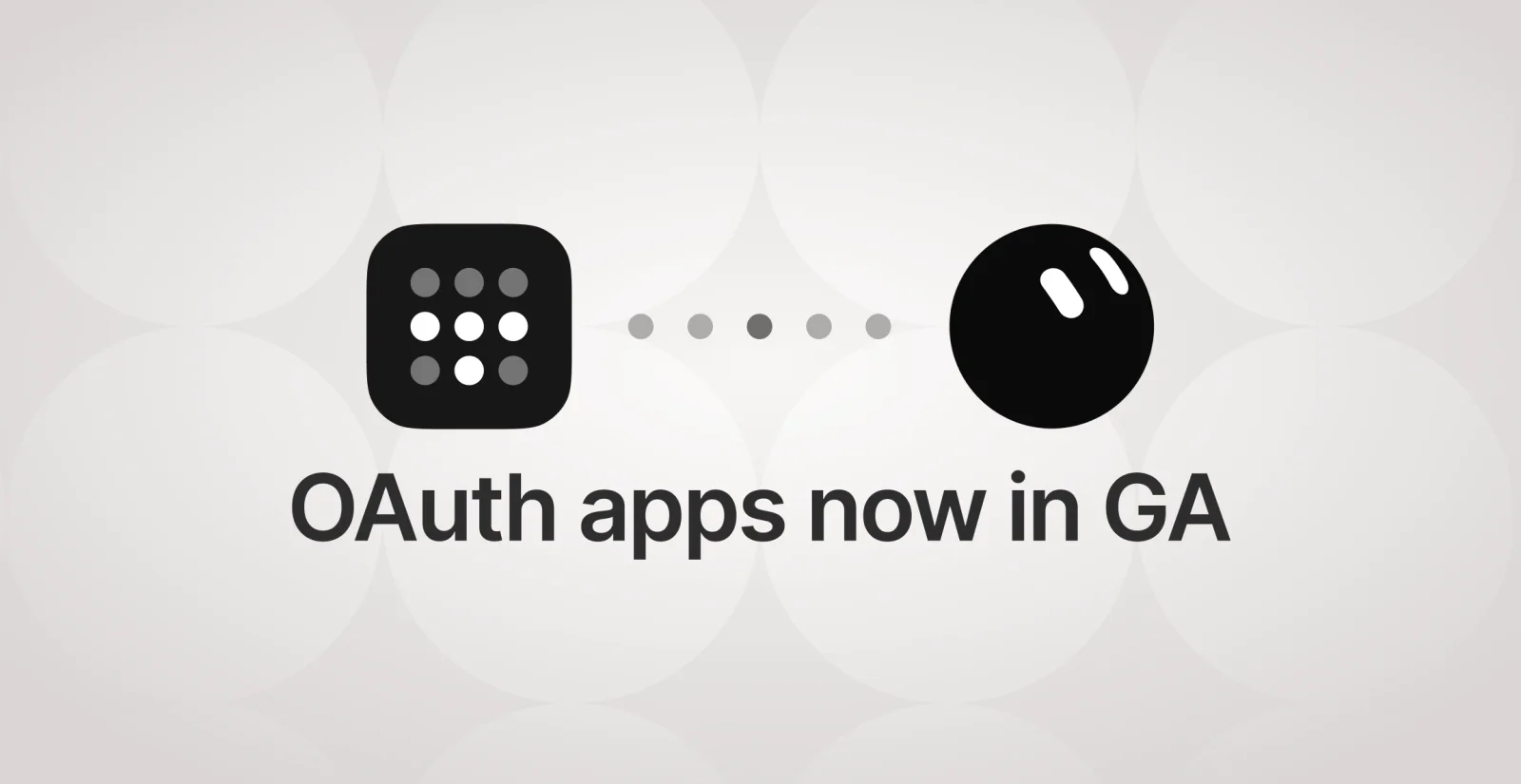
Tailscale's November 9 post explains why OAuth apps exist for agents. Classic Tailscale OAuth clients create tag-owned devices under a shared service identity. OAuth apps instead act on behalf of the user who authorizes them, so audit logs, device quotas, and identity-based ACLs still behave like a laptop join.
Tailscale states the Grok Bot flow is already in production: the bot reaches private MCP on your tailnet without exposing servers to the public internet, and you do not paste long-lived keys into chat.
For builders, three ideas matter:
- The bot is a network participant. It is not a VPN client on your laptop; it becomes a device associated with your user identity.
- Policy is how you prevent overreach. Default grants that let engineers reach production databases should not automatically apply to Grok Bot unless you want that.
- Posture is the premium knob. On Premium or Enterprise, Tailscale documents a custom posture attribute for Grok Bot so grants can target MCP tags while
defaultSrcPosturekeeps human devices on stricter rules.
Tailscale published an example ACL fragment on its blog. The structure is worth copying even if your tags differ.
Example policy: MCP only, not the whole VPC
 Example Tailscale policy that limits Grok Bot agents to internal MCP servers while engineers keep database access
Image: Tailscale
The sample policy defines two postures: posture:grokbot when custom:grokbot == true, and posture:human when that attribute is not set. defaultSrcPosture requires human posture unless a grant overrides it. Engineers keep database access through the default posture; Grok Bot devices owned by those engineers get a separate grant to tag:mcp-servers on TCP 443 only when srcPosture is posture:grokbot.
That pattern mirrors zero-trust design for any autonomous client. The agent is not special-cased as "trusted because AI." It is another device class with its own posture column in the grant matrix.
If you run on a plan without custom posture, Tailscale suggests tagging the Grok Bot device after authentication and writing tag-based access rules. That is more manual but achieves a similar separation.
MCP on a tailnet: what developers gain
Private MCP is attractive when your useful tools are already inside a VPC or office LAN: internal Grafana, a deployment API, a feature-flag service, or a read-only analytics warehouse. Public SaaS connectors cover the consumer web; they do not cover your GitLab on a private hostname.
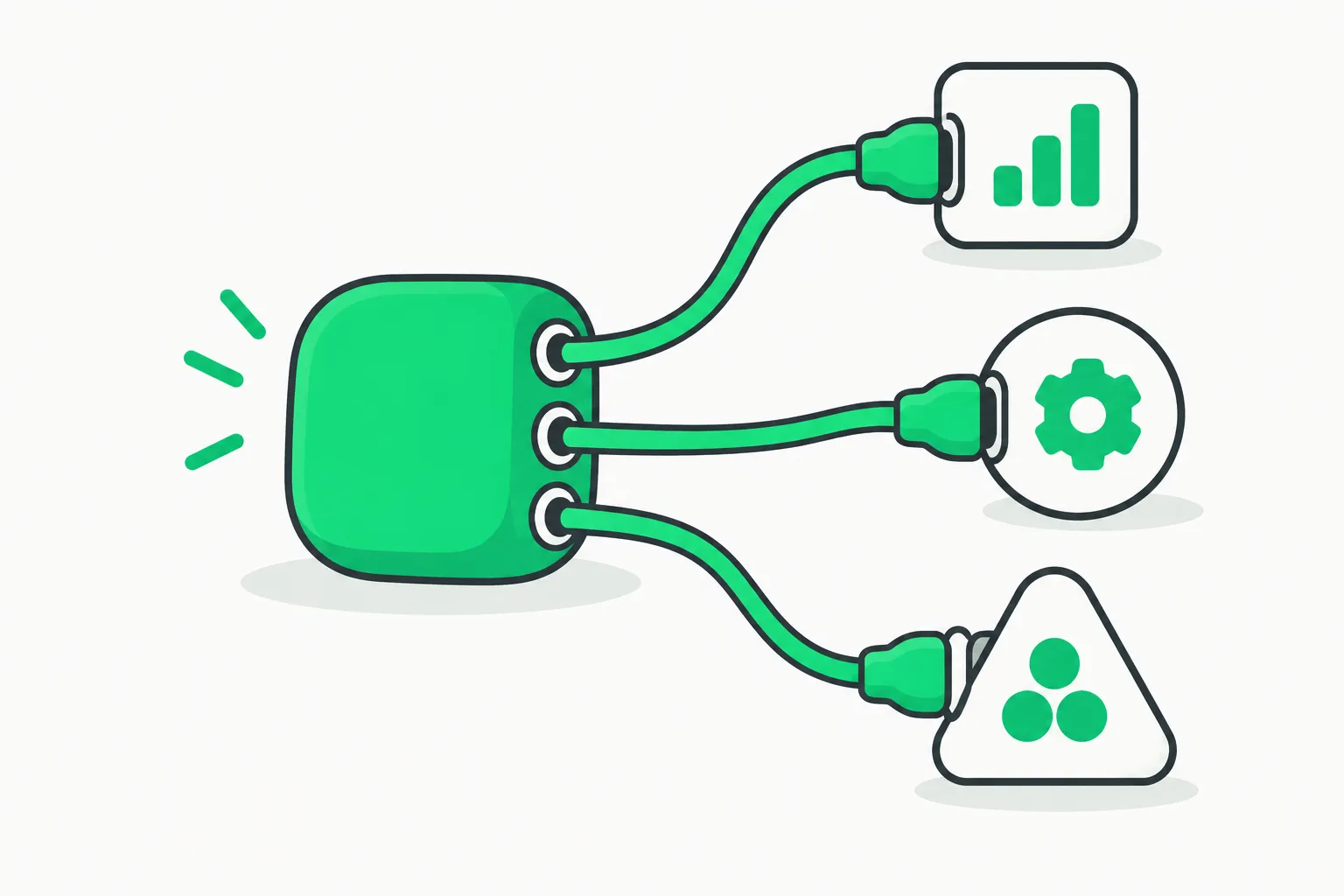
Connecting Grok Bot to tailnet MCP lets a bot call those tools with the same URLs your engineers use, which reduces copy-paste "run this curl" loops described in our Grok Bot team guide breakdown. It also keeps secrets off the public routing layer if the MCP server never needed Internet exposure in the first place.
The tradeoff is attack surface. Any MCP tool the bot can reach becomes reachable by prompt injection, connector bugs, or a compromised routine. That is why MCP security basics — least privilege tools, read-only first, logging — matter more when the network path is live.
 MCP connectors as the bridge between Grok Bot and internal tools
Two Tailscale patterns: do not confuse them
Grok Bot documentation now describes two legitimate Tailscale patterns, and mixing them causes broken deploys.
| Pattern | Who runs Tailscale | Typical user | What it solves |
|---|---|---|---|
| Tailscale plugin (new) | Grok Bot desktop app connects your tailnet via OAuth | Individual or team member with plugin access | Private MCP hostnames on the tailnet |
| Exit node on bot computer | Tailscale client on each cloud bot VM via Team Setup Scripts | Enterprise teams | Reach internal hostnames from shared bot egress |
Cursor's private-network guide walks through exit-node setup with Team Setup Scripts, auth keys in team secrets, and allowlisting Tailscale coordination servers. That path is explicitly Enterprise-only for scripted installs.
The plugin path is what xAI changelog and Tailscale's OAuth GA post discuss. If your IT team already standardizes on exit nodes for all cloud agents, you may still use that architecture; the plugin is an additional option for MCP-specific joins without making every bot a full tailnet router.
Setup flow you should expect
Exact UI labels can change between builds, but the changelog describes a stable sequence:
- Open the Tailscale plugin inside Grok Bot desktop.
- Complete OAuth authorization to your tailnet (user identity device).
- When a task needs tailnet reachability, approve the Tailscale connect card in chat.
- Point the bot at an MCP server URL on a private tailnet IP or MagicDNS name.
- If the server errors, read the message: recent versions tell you to connect the tailnet first rather than suggesting a public funnel.
For teams, admin concerns parallel normal Tailscale governance: device approval, tag assignment, and whether plugin installs respect team allowlists. Changelog entries already mention plugin MCP allowlists blocked by team policy with an admin reason string.
Security checklist before you connect
Treat Grok Bot on your tailnet like a new hire with a VPN account.
 Private credentials and scoped access for Grok Bot Tailscale MCP connectors
- Start with one MCP server and one read-only tool. Expand after you review logs.
- Write explicit grants. Do not rely on default tailnet permissiveness; new tailnets often allow device-to-device chat until admins tighten policy.
- Separate human and bot postures using Tailscale's
grokbotposture example or tag-based equivalents. - Avoid funnel exposure for MCP that was private for a reason. Current changelog language steers toward plugin connect, not public ingress.
- Review routines. A scheduled routine plus tailnet access can poll internal APIs continuously, which burns token-heavy usage and widens blast radius.
- Patch Tailscale on servers humans use for SSH. Unrelated but urgent: the Tailworm SSH findings showed how one compromised device can pivot; an agent laptop on the same tailnet is a plausible foothold.
- Watch connector scope the same way you would for shopping and payments features. More connectors plus tailnet reach equals more exfiltration paths.
How to detect risky agent behavior
Network ACLs limit where a bot can connect; they do not show you every tool call. For monitoring what coding agents execute locally and blocking dangerous patterns, the explainx.ai team built AgentBeam. It is a useful companion when you expose private MCP to autonomous clients — not a replacement for Tailscale policy, but a second layer on machines where agents run.
What people are asking
Will Grok Bot inherit my entire tailnet access? Only if your ACLs say so. Tailscale's whole pitch for OAuth apps is user identity with policy, not user identity equals full mesh access.
Does this work with company tailnets or only personal? The November 4 changelog calls out a personal tailnet from the plugin. Enterprise teams can still use Team Setup Scripts and exit nodes per Cursor's private-network guide. Confirm your admin allows OAuth app devices before you connect.
Did xAI previously tell users to use Tailscale Funnel? An older changelog bullet told users Grok Bot could not reach private Tailscale MCP yet and mentioned Funnel. That is the opposite of zero-trust design for internal tools. Prefer the plugin connect flow documented in November builds.
Is there independent security review? We found no third-party audit published with the launch. Evaluate against your own threat model and staging environment.
How does this compare to Pocketdev-style dev boxes? Pocketdev puts agents on a Tailscale-only VPS you control. Grok Bot's plugin keeps xAI's hosted bot model but extends reach into your RFC1918 resources via tailnet membership.
What this means for what you build
If your agent roadmap includes internal APIs, data catalogs, or on-prem ticketing, tailnet MCP is a cleaner integration shape than SSH hop chains or screenshot-driven workflows. The November stack — xAI plugin plus Tailscale OAuth GA — makes that path mainstream rather than a bespoke Enterprise script.
The cost is operational: someone must own ACL design, tag hygiene, and incident response when a bot misuses a connector. That is the same job description as securing human VPN users, but agents run faster and never sleep.
Related reading
- Grok Bot persistent agents beta
- Tailworm and Tailscale SSH: builder checklist
- What is MCP?
- MCP security guide
- Grok Bot shopping and vault features
- Minimax BYOB table: bring your own agent
Sources: xAI Grok Bot changelog · Tailscale OAuth apps GA · Cursor private networks docs
Capability names, plugin availability, and plan gates are accurate as of November 11, 2026; verify on your Grok Bot build and Tailscale admin console before production use.