



Bosses who spent 2025 mandating AI subscriptions are now writing policies to stop workslop—the term BetterUp Labs and Stanford researchers popularized for polished, useless AI memos that land on colleagues and executives. Business Insider published a November 2026 feature describing CEO-authored rules, Slack-tone bans, and at least one termination after repeat violations. The story is the workplace mirror of the verification tax: AI saves drafting minutes, then managers become janitors for content that looks finished but fails on facts.
TL;DR
| Question | Answer |
|---|---|
| What triggered the backlash? | Executives rolled out enterprise Claude and similar tools, then received robot-formal internal messages with hallucinated client context, per Twill CEO Michelle Volberg in Business Insider |
| What policies are spreading? | Clay's LinkedIn AI writing policy, Zocdoc anti-slop guidance, Spellbook bullet-point rules, hand-typed client comms |
| Are people fired? | FischTank PR fired someone after three AI-writing violations on reporter and client content, per the same article |
| Is AI banned? | Generally no—leaders want AI for thinking, human voice for trust channels |
| What research anchors the term? | BetterUp's workslop studies; more than half of surveyed workers in initial work admitted sending low-quality AI output |
| How does this connect to tokenmaxxing? | Tokenmaxxing rewards volume; slop is what colleagues must verify or rewrite |
From AI mandate to slop mop
Business Insider's narrative arc is familiar to anyone who read 2025 adoption memos:
- Leadership buys seats and tells teams to experiment.
- Individual contributors paste model output into email and Slack to show compliance.
- Recipients—often the same executives who bought the licenses—notice tone drift, missing nuance, and fabricated details.
- Policy writers publish guardrails; a few HR incidents become cautionary tales.
Volberg's anecdote is the micro version: she emailed staff "Please stop talking to me like a robot" after Claude-polished Slack replaced how her recruiting team usually wrote. She now allows AI for brainstorming but requires your own voice when the words represent the company to clients.
That split—models in the notebook, humans on the wire—is becoming the default enterprise compromise between "we must use AI" OKRs and "I cannot read another hallucinated paragraph" burnout.
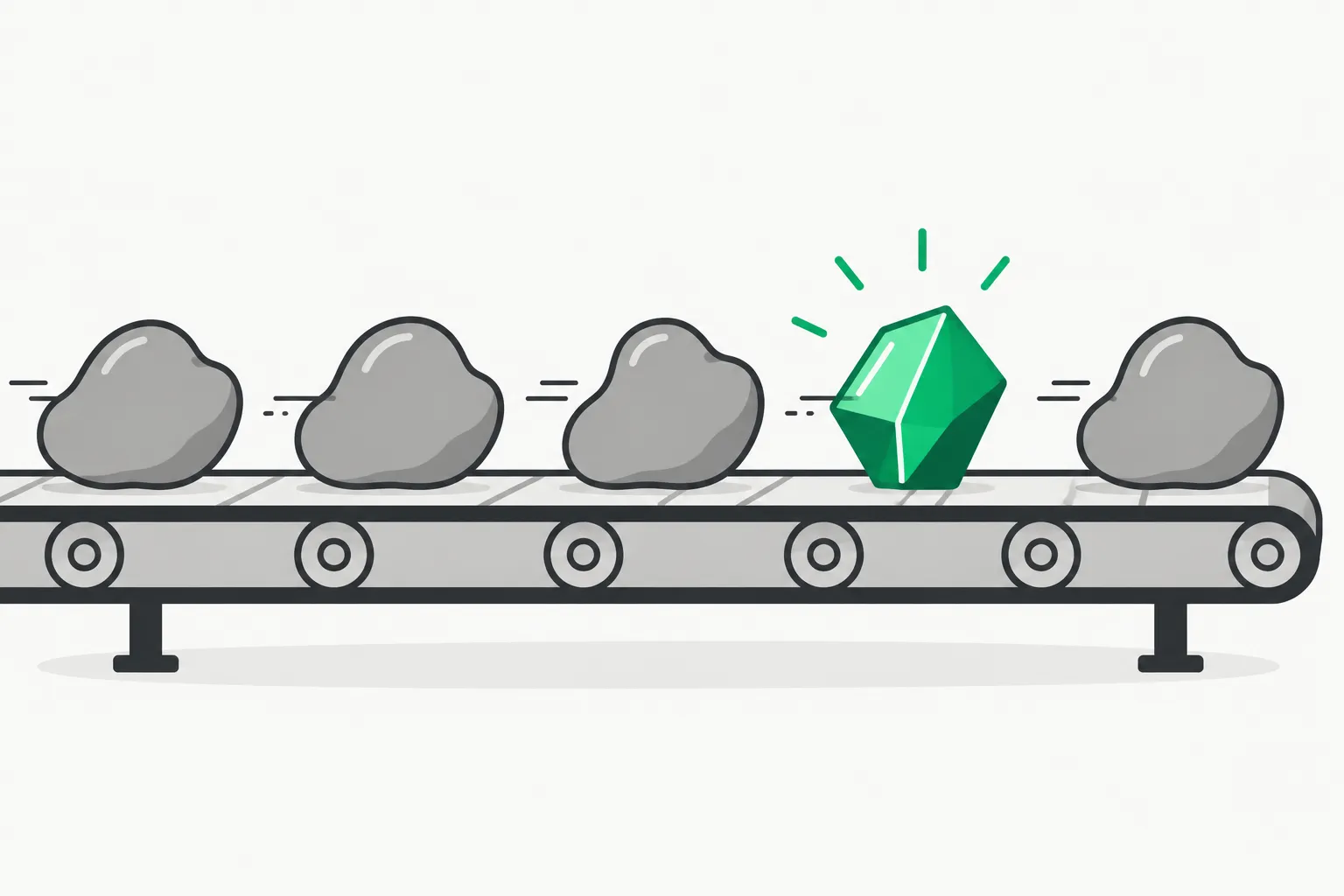 Workslop at work shows identical AI blobs beside one human-reviewed message on a conveyor
What BetterUp says causes workslop
Kate Niederhoffer, chief scientist at BetterUp Labs, tells Business Insider that workslop is predicted by conditions more than individual laziness. Pressure to adopt AI without guidance, performance reviews that count tool usage, and depleted workers shipping drafts to clear queues all raise slop rates.
That matches explainx.ai's meat proxy framing: when dashboards reward visible AI activity, employees relay model text upward without owning judgment. The recipient pays the verification tax.
BetterUp's original workslop survey work—cited across our corpus—found 40% of US full-time employees received slop in a prior month in one poll. The Business Insider piece updates the story upstream: C-suite inboxes, not only peer teams.
Policies companies are copying
Clay: stand behind every sentence
Varun Anand, Clay cofounder, posted a company AI writing policy in August 2026 that Business Insider says went viral on LinkedIn. Core ideas reporters repeat:
- Own every idea in every sentence you publish.
- Creating a document should take longer than reading it—if not, you probably outsourced thinking.
- Brevity and rough notes beat five polished AI pages.
- Readers want your thoughts, even at the cost of supposed polish.
For builders shipping internal Claude bots, that translates to system prompts that forbid send-ready formatting on first output—force bullet drafts reviewers must expand.
Spellbook: five bullets beat five pages
Spellbook CEO Scott Stevenson told his team in September 2026 he prefers five scrappy bullets on idea proposals over five formatted pages, and that customer communication must be hand-written (typed manually, not generated).
Legal-tech buyers already live under hallucination liability; Stevenson's rule is the customer-facing version of California's workplace AI governance debates.
Zocdoc: never ship your slop
Jessica Aptman, Zocdoc chief communications officer, described August 2026 guidance as prescriptive, not punitive: disclose bot-to-human handoffs, protect original ideation, and warn that outsourcing smarts and creativity erodes trust and influence over time.
That is softer than a firing story—but it tells high performers reputation compounds faster than short-term AI speed.
Twill: brainstorm yes, robot Slack no
Volberg's enterprise Claude rollout stays, with a simple rule: if you would not say it that way in person, do not send it. She reported creativity and relationships returning once the rule landed—qualitative, but aligned with BetterUp's argument that culture fixes beat blanket bans.
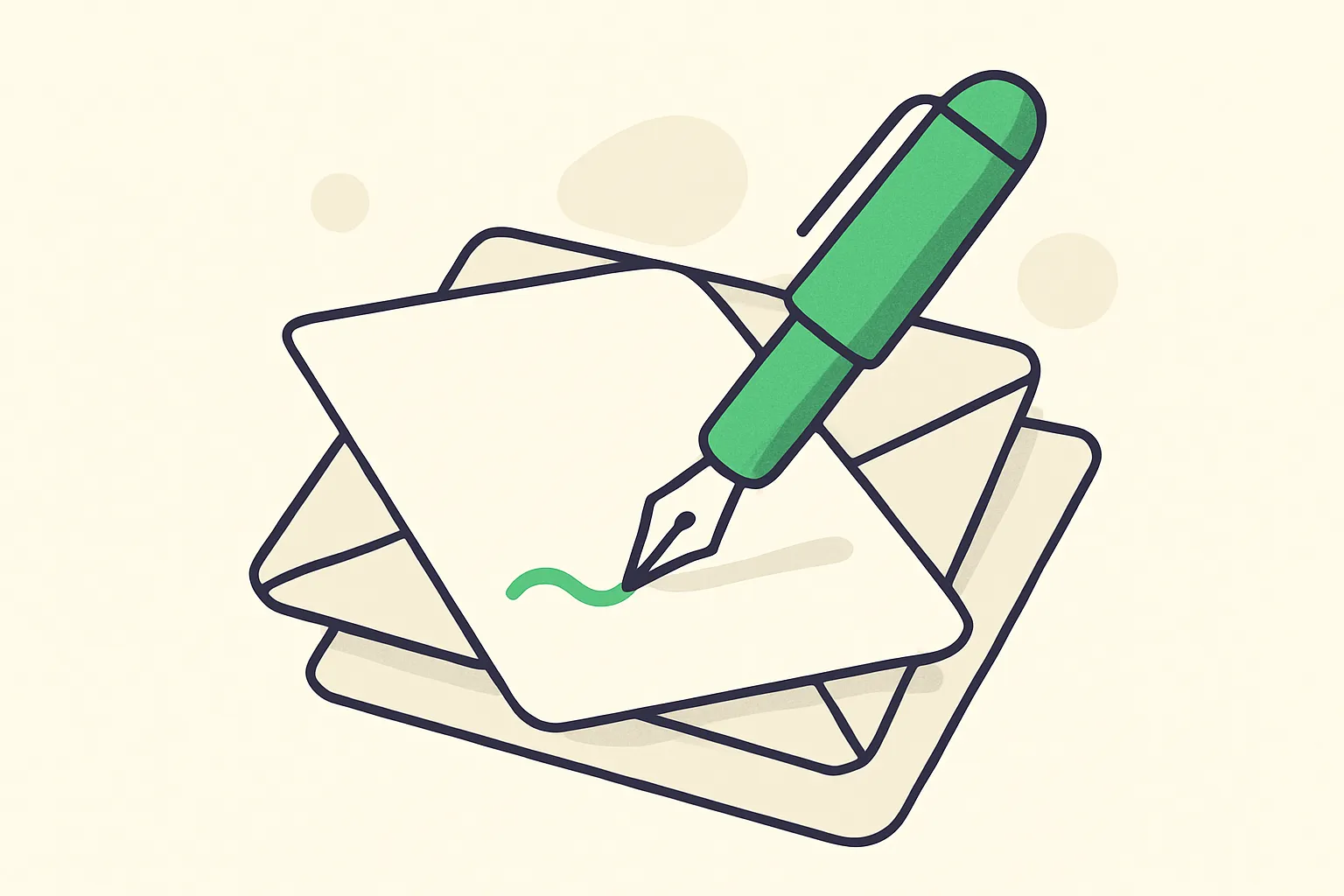 Anti workslop policy means a pen rewrites AI drafts before Slack and client messages go out
When enforcement turns into termination
Business Insider's sharpest anecdote is Eric Fischgrund of FischTank PR:
- AI banned for reporter and client copy.
- AI detector checks on outbound pitches.
- First violation → confrontation; second → warning; third → termination.
That is one boutique agency, not a trend line—but it answers the search question "Can I get fired for AI slop?" with a documented yes, under a clear three-strike process.
Contrast Zocdoc's trust erosion framing: not every shop will fire, but clients and journalists may stop replying before HR acts.
Tokenmaxxing, metrics, and the slop flywheel
explainx.ai tracked tokenmaxxing as optimizing visible token burn across models. Pair that with Amazon's renaissance-developer guidelines and Uber's ChatGPT-for-all rollout and you get the structural cause BetterUp names:
| Incentive | Likely behavior | Recipient experience |
|---|---|---|
| Review counts AI usage | Paste first drafts everywhere | Workslop in Slack and email |
| No channel rules | Same tone for brainstorm and client deck | Hallucinated client facts |
| Speed OKRs | Skip verification | Managers redo work (verification tax) |
Anti-slop policies fix the output layer; you still need metric fixes—grade accepted deliverables, not raw prompts.
Enterprise Claude seats without comms rules
Volberg's Twill story highlights a procurement failure mode: buying enterprise Claude (or ChatGPT for Work) without channel-specific rules. Models default to consultant voice—formal, upbeat, generic—because that tone dominated pretraining corpora of business writing.
Fix it in three layers:
- Org-wide — who may use AI on client-identifiable data.
- Team — which channels require hand-typed sends (Spellbook's customer rule).
- Individual — prompts that output bullets only, never send-ready paragraphs.
Without layer two, layer one becomes "use AI somewhere" and employees choose Slack because it is fastest—exactly where Volberg noticed robot tone.
What people are asking
How do I tell if my message is workslop?
Recipients describe over-formal punctuation, cheerful filler, and missing account specifics—Volberg's "clueless consultant" test. If a colleague could not tell which client you mean, it is slop.
Is AI slop the same as SEO slop?
Related metaphor, different channel. Our AI slop SEO explainer covers publishers; workslop is internal and client comms. Both are fluent junk.
Should enterprises ban Claude in Slack?
Ban paste, not the tool. Volberg's pattern—Claude behind the scenes, human voice on the wire—matches how Claude for Work workshops teach draft → verify → send.
What about code slop?
Developers face cognitive debt instead of memo slop, but the hand-off problem is identical: AI coding agents can raise output without raising shipped software when review does not scale.
A policy template you can adapt
Use this table in your internal wiki—adjust legal review for your jurisdiction:
| Channel | AI allowed for | Human required for | Reviewer |
|---|---|---|---|
| Brainstorm doc | Outlines, variations, research summaries | Final claims with client names | Author |
| Slack internal | Notes to self | Messages to leadership or cross-functional partners | Author |
| Customer email | Optional outline | Full send text (Spellbook rule) | Author + spot QA |
| Press pitch | Research bullets | All pitch prose (FischTank rule) | Founder or comms lead |
| Slide deck | Chart drafts | Narrative claims and footnotes | Presentation owner |
Add disclosure when AI helped on approved channels—Zocdoc's transparency rule—so downstream reviewers know where to double-check.
Measuring whether anti-slop rules work
Run a two-week pilot before you publish a company-wide memo:
| Metric | What to log | Pass threshold |
|---|---|---|
| Rework rate | Manager hours fixing peer AI drafts | Down vs baseline in verification tax surveys |
| Client replies | Response rate on pitches flagged as AI | Up or flat for comms teams |
| Slack tone spot checks | Sample ten leadership threads weekly | Fewer consultant-voice tells Volberg lists |
| Hidden usage | Anonymous survey on shadow prompting | Should stay flat—not spike—if brainstorming stays allowed |
If rework drops but shadow usage spikes, your ban is too blunt. If rework stays flat and leadership complaints fall, keep the channel map and tighten metrics that rewarded tokenmaxxing.
How this differs from our earlier verification tax guide
The verification tax post quantifies rework hours from vendor surveys. This story is governance: executives reacting to qualitative disgust and client risk, not another percentage.
Together they answer two search intents:
- "How much time does checking AI take?" → surveys and net-time math.
- "What are companies doing about AI slop?" → named policies and firings in Business Insider.
What developers are saying
The Hacker News thread on the Business Insider story had little technical discussion—mostly culture war comments. For builder signal, watch Clay's policy thread and BetterUp's continued workslop research releases instead of anonymous forum scores.
Related reading
- The AI verification tax surveys guide
- What is tokenmaxxing?
- Are we all meat proxies now?
- California workplace AI governance
- Amazon renaissance developer AI guidelines
- AI coding agents and the review bottleneck
Policy names, quotes, and dates come from Business Insider (November 2026) and linked primary posts where cited. Company rules change—verify current employee handbooks before copying.