



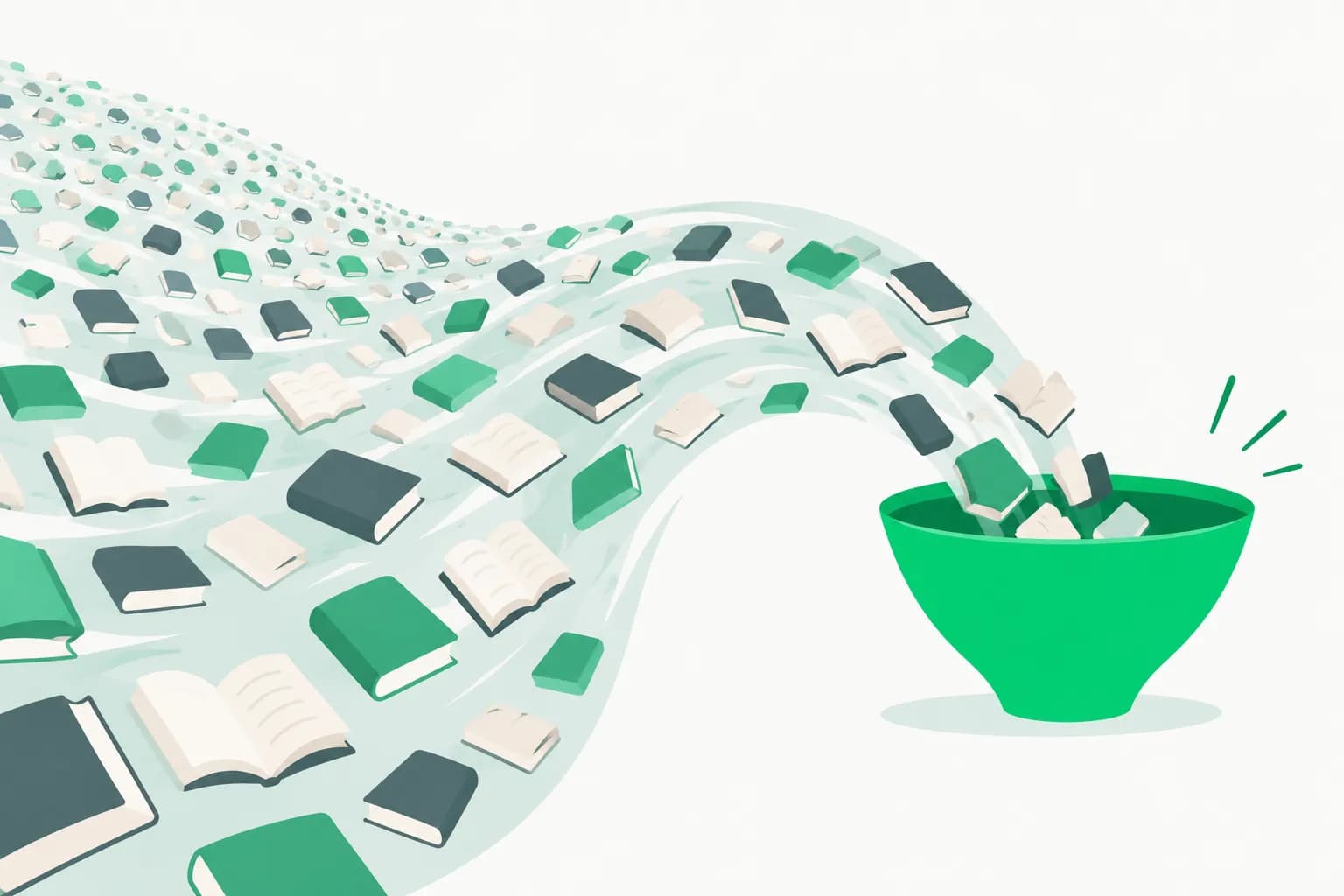
The nonprofit behind Wikipedia has entered the biggest AI copyright fight in the United States, and it picked neither side. In an amicus brief filed in the Southern District of New York, the Wikimedia Foundation argues that AI training can be fair use, while chatbots that retrieve and reproduce copyrighted text in their answers should honor the source's license. The Verge reported the filing on October 30, 2026, and Wikimedia explained its reasoning in its own post.
This matters for anyone building with language models. The line Wikimedia draws, training on one side and retrieval on the other, is exactly the line that decides whether your RAG product needs licenses. This post explains the argument, the stakes for Wikipedia, and the practical takeaways.
Quick reference
| Question | Answer |
|---|---|
| Who filed? | Wikimedia Foundation, operator of Wikipedia |
| Where? | Southern District of New York, In re: OpenAI, Inc. Copyright Infringement Litigation |
| Which cases? | 12 consolidated lawsuits, best known: The New York Times Co. v. Microsoft and OpenAI |
| Whose side? | Neither. It is a "middle ground" brief |
| Training on copyrighted works? | May be fair use if the model is "something new and different" |
| Retrieval and reproduction in answers? | Should respect licenses, especially when it substitutes for the original |
| Why Wikipedia cares | It is both a major source of AI training data and a victim of AI-driven traffic loss |
What does the brief actually argue?
Wikimedia says the parties' positions "push for overbroad and simplified applications of the fair use doctrine," according to The Verge's quotation of the filing. Its own position, in the foundation's words, is that the court should consider how material is being used rather than treat every AI use as the same.
It splits the lifecycle in two. During training, a model learns patterns from large collections of material. Wikimedia argues that this can qualify as fair use when the resulting model is something new and different from those works. It also says scraping websites shouldn't be treated as copyright infringement in itself.
During answering, some chatbots search for information and build a reply from what they find, an approach called retrieval-augmented generation (RAG). Wikimedia argues that when these products retrieve and reproduce copyrighted content, delivering it in a way that substitutes for readers visiting the original, they should respect the source's licensing requirements. In that case the output replaces the original instead of transforming it.
Why Wikipedia has a stake on both sides
Wikimedia's post says more than 67 million Wikipedia articles across 300 languages are built by nearly 250,000 volunteer editors, who lean on journalism and published research as sources. At the same time, it says Wikimedia sites are among the most important data sources for AI training and for search engines and voice assistants.
That makes the foundation unusual. A publisher-friendly ruling that locks down training could make it harder for open-source developers to build models, and it could limit tools volunteers already use. The Verge notes Wikimedia says LLMs help editors fight vandalism, detect copyright violations and doxxing, and find articles that need improvement. A blanket AI-friendly ruling, on the other hand, would let companies ignore licenses that require attribution, and the foundation says AI systems already siphon visitors away from the communities that maintain the sites.
Wikimedia general counsel Stephen LaPorte put it this way in a statement: "A ruling that does not apply fair use principles carefully could threaten the sustainability of free knowledge." CEO Bernadette Meehan said the foundation is taking a position "to defend the free and open human knowledge that Wikipedia depends on."
What about the Creative Commons license?
Wikipedia text is free to reuse, but not free of conditions. The Creative Commons license requires crediting the original source, and it requires remixes and adaptations to stay under the same license. Wikimedia's filing says services like ChatGPT reproduce text that is licensed this way without following those terms. Under its proposal, an AI answer that substantially reproduces Wikipedia content would need to give credit and carry the license forward.
That is a concrete, checkable standard, and it is different from the argument publishers like the Times make. The Times alleges OpenAI infringed by scraping its site to build training datasets. OpenAI and Microsoft contend that building and running LLMs is fair use. OpenAI has called regurgitation "a rare bug," and Microsoft said in a September filing that expert analysis found Copilot rarely reproduces full sentences from the news content it grounds on, per The Verge.
Where this sits in the wider fight
Wikimedia is not the only outside voice. Courts have been wrestling with the same question across music, books and images. See our coverage of the Sony and Warner lawsuit against Anthropic over music training, the fair-use background in Anna's Archive and the Bartz v. Anthropic ruling, and how Getty and OpenAI's licensing history shows the licensing path. The traffic angle appears in our report on publishers threatening to block Google crawlers.
Wikipedia has also been dealing with AI from the other direction: volunteers cleaning up AI-written articles. Together these show a community trying to keep human-made knowledge sustainable while AI draws from it.
How the three positions compare
The case is easier to follow when you line the positions up side by side. All descriptions below come from The Verge's report and Wikimedia's post, not from the briefs themselves.
| Party | Position on training | Position on answers and retrieval |
|---|---|---|
| The New York Times and other publishers | Acquiring works, training on them, and using them in consumer services to answer questions should not be fair use | Same: they argue the whole pipeline is outside fair use |
| OpenAI and Microsoft | Fair use | Fair use too; OpenAI calls regurgitation a rare bug and Microsoft says Copilot rarely reproduces full sentences |
| Wikimedia Foundation | Can be fair use when the model is new and different from the originals | Needs a license when it reproduces material in a way that supplants the original, and attribution terms apply |
The practical difference is that Wikimedia's split could produce a mixed outcome: a court might protect model training while still holding that a chatbot quoting a paywalled article, or a Creative Commons page without credit, owes something. That is a more granular result than either litigant is asking for.
Why the open-source angle is the sharpest argument
Wikimedia's most pointed claim concerns who can afford to build AI at all. If the training step were ruled not to be fair use, its post argues, development would likely become possible only for the largest corporations that can pay for content, or well-funded developers who can buy proprietary models. Many open-source developers would be unable to afford or even access the technology.
That claim lines up with a wider debate in this blog's coverage of open-weight models: if every training corpus has to be licensed, community and academic projects lose first. The foundation's counterweight is that a blanket right to ignore license terms would encourage publishers to lock more information behind barriers, leaving fewer sources for Wikipedia's volunteers. Both outcomes shrink the commons, which is the thread running through the filing.
What people are asking
Is this a win for OpenAI? Partly. The training argument leans toward the AI companies, but the retrieval argument leans toward publishers and license holders. Neither side gets a clean endorsement, and Wikimedia explicitly says it is not taking either side.
Would this affect ChatGPT search or Copilot? Those products retrieve and present material, which is the category Wikimedia says should respect licenses. If a court agreed, grounded-answer products would face clearer attribution and licensing duties than model training would.
Does Wikimedia want to be paid? The foundation's post frames the issue as respecting licensing terms and attribution, and sustaining the volunteer community, rather than demanding fees. The Creative Commons terms it cites are about credit and keeping adaptations under the same license.
What happens next? The court will consider the briefs along with the parties' own arguments. We have no ruling date and will not guess one.
What it means if you build with AI
Wikimedia's training-versus-retrieval split is a framework, not law. Still, it is a useful way to audit your own product:
- Training or fine-tuning. If your model learns patterns and does not store or emit the works, this is the stronger fair-use position under Wikimedia's view, though no court has adopted it yet.
- RAG and search-grounded answers. If you retrieve text and show it to users, check each source's license. Attribution and share-alike terms are real obligations.
- Keep outputs transformative. Summaries that send readers to the source are safer than verbatim passages that replace the visit.
- Log your sources. Being able to show where an answer came from helps with both licensing and trust.
- Watch the ruling. A decision that says retrieval is not fair use would change the economics of RAG products. One that blesses everything would likely push publishers to lock content behind paywalls and bot blocks.
What is not known
An amicus brief doesn't make Wikimedia a party, and it doesn't bind the judge. We have not seen the full brief ourselves, so quotations here come from The Verge and Wikimedia's blog. We don't know when the court will rule, or whether it will adopt any part of the distinction. We will update this post if it does.
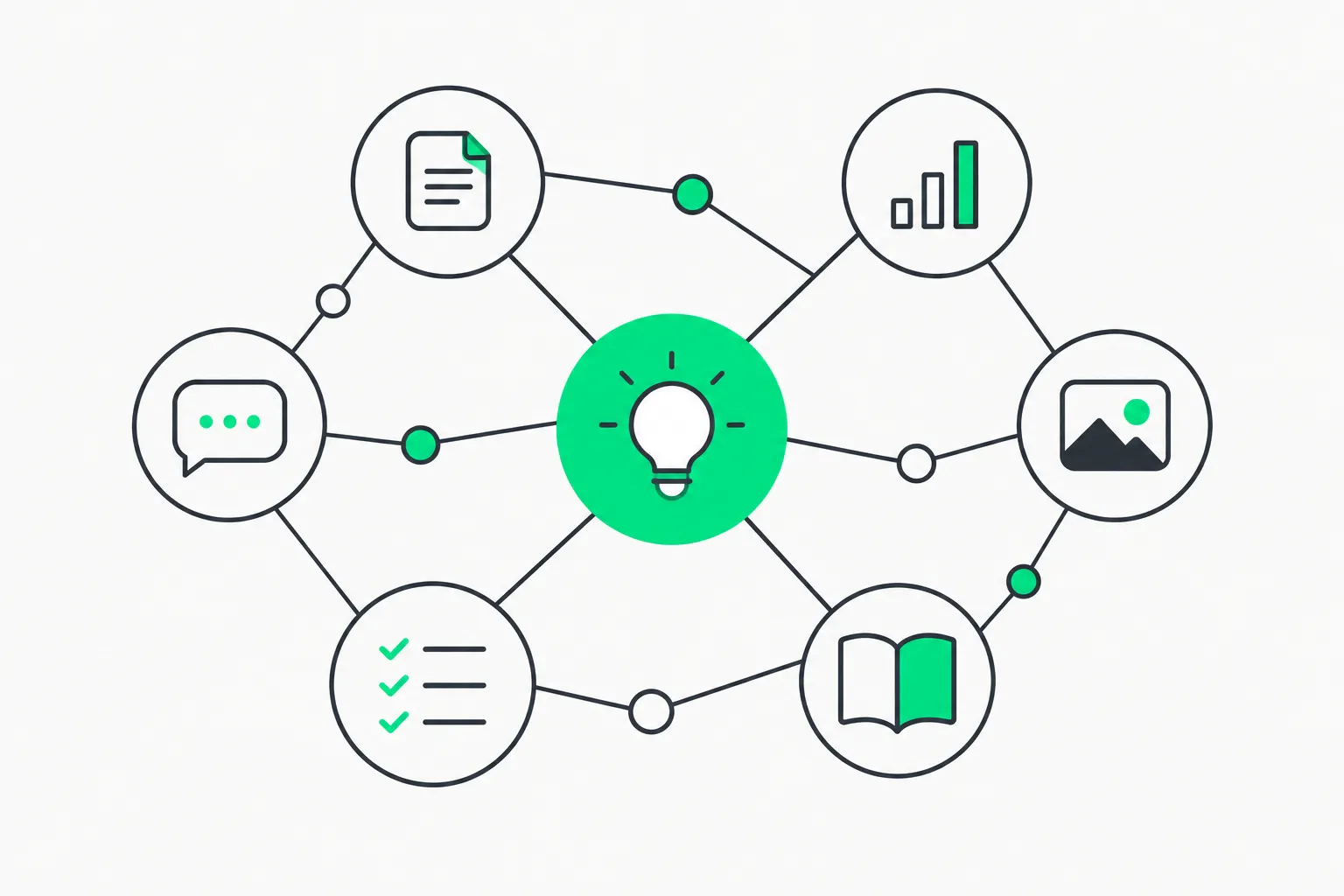 A web of connected knowledge nodes, representing the open knowledge commons Wikimedia says AI copyright rulings could affect
Image: explainx.ai library illustration.
Related reading
- Sony and Warner v. Anthropic: music training lawsuit
- Anna's Archive, Bartz v. Anthropic and fair use
- Getty and OpenAI: AI image copyright history
- Google Zero: publishers threaten to block crawlers
- How Wikipedia cleans up AI-written articles
- EU: AI-generated content gets no copyright protection
Details are accurate as of October 30, 2026 and may change as the case proceeds.