



Update — August 11, 2026: For a much smaller, narrowly-scoped addition to this list, see claudish-to-english — a plugin that rewrites Claude's replies into plain English locally via Ollama, display-only.
Update — September 26, 2026: Anthropic launched a dedicated Claude plugin developer portal at claude.ai/directory/manage/new for submitting plugins, tracking review status, and seeing install analytics — the submission layer that sits underneath every plugin in this list.
Claude Code has revolutionized AI-assisted development since Anthropic launched its official plugin ecosystem in early 2026. With the Model Context Protocol (MCP) as its foundation, Claude plugins have evolved from simple integrations to sophisticated workflow automation tools that transform how developers build software.
This comprehensive guide explores the top 25 Claude plugins available in 2026, covering everything from the most popular official plugins to specialized tools for testing, security, and business workflows. Whether you're new to Claude or looking to optimize your setup, this guide provides detailed insights, setup instructions, and real-world use cases.
Understanding Claude Plugins in 2026
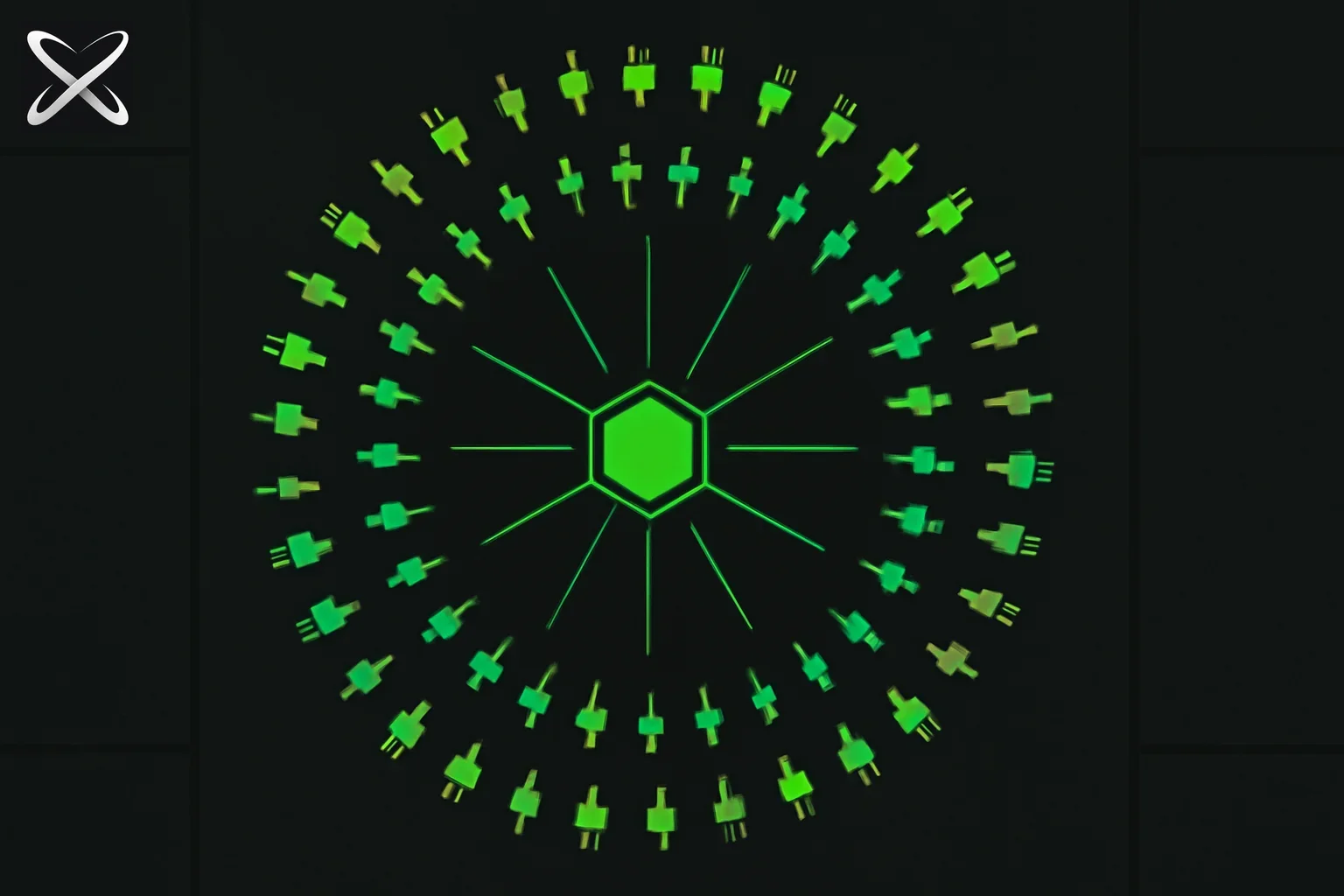
Before diving into specific plugins, it's important to understand the ecosystem. The Claude Code plugin architecture is built on MCP, an open standard that Anthropic released to create a universal integration layer for AI assistants.
The Plugin Ecosystem
As of May 2026, the Claude plugin landscape includes:
- 55+ official plugins in the claude-plugins-official marketplace
- 72+ community plugins across various registries
- 5,000+ MCP servers in the broader ecosystem
- 400+ connectors in the Claude Connectors Directory
The largest community directory tracks all these plugins with daily updates from GitHub, making it easier than ever to discover new tools.
Distribution Methods
Claude plugins are distributed in two primary ways:
- Desktop Extensions (.mcpb files): Pre-configured bundles that install with a double-click, eliminating manual JSON configuration
- Manual MCP Configuration: Traditional JSON-based setup in
claude_desktop_config.jsonfor custom servers and advanced control
According to setup guides from 2026, desktop extensions have become the preferred method for most users, while manual configuration remains essential for enterprise deployments and custom integrations.
Top 25 Claude Plugins for 2026
1. feature-dev — The Most Popular Plugin
Category: Code Generation & Development Installs: 89,000+ verified Official: Yes
The feature-dev plugin dominates the marketplace with a structured seven-phase workflow:
- Discovery: Analyzes requirements and gathers context
- Codebase Exploration: Maps existing code structure
- Design: Creates implementation plan
- Implementation: Writes code following best practices
- Testing: Generates and runs tests
- Review: Quality checks and refinements
- Documentation: Updates docs and comments
Real-world use case: A startup used feature-dev to reduce new feature development time by 65%, going from 8-hour implementation cycles to under 3 hours for medium-complexity features.
Setup: Available in the official marketplace via npx skills install feature-dev
2. frontend-design — Distinctive UI Creation
Category: Design & Frontend Installs: 45,000+ Official: Yes (Anthropic)
The frontend-design plugin transforms how developers approach UI creation. Instead of generating generic Bootstrap layouts, it guides Claude through four design dimensions:
- Purpose: Understanding the user goal
- Tone: Matching brand personality
- Constraints: Technical and accessibility requirements
- Differentiation: Creating unique visual identity
The plugin encourages unusual typography pairings, asymmetric layouts, and custom color systems that avoid the "AI-generated look."
Example output: Used by a design agency to create 15 unique landing pages with distinct visual identities in one week—work that previously took a month with traditional tools.
3. test-writer-fixer — Automated Testing
Category: Testing & Quality Assurance Installs: 38,000+ Official: Yes
This plugin automatically writes and fixes unit tests across multiple frameworks:
- Jest (JavaScript/TypeScript)
- Vitest (Modern JS/TS)
- Pytest (Python)
- Go testing (Go)
- JUnit (Java)
Key features:
- Generates test cases from function signatures
- Fixes failing tests automatically
- Maintains 80%+ code coverage
- Follows framework-specific best practices
Impact: Teams report 90% reduction in time spent writing boilerplate tests, with improved test quality and coverage.
4. Linear Plugin — Issue Tracking Integration
Category: Project Management Installs: 32,000+ Official: Community
The Linear plugin connects Claude Code directly to your Linear workspace:
- Pull tickets and view details
- Update issue status
- Create new issues from code context
- Link commits to tickets
- Query sprints and projects
Workflow example: A developer says "Show me my assigned tickets," and Claude displays them inline. After completing a feature, Claude automatically updates the Linear ticket and links the commit.
5. security-guidance — OWASP-Compliant Security
Category: Security Installs: 28,000+ Official: Yes
Provides real-time security guidance following OWASP guidelines and secure coding standards:
- SQL injection prevention
- XSS vulnerability detection
- CSRF protection implementation
- Authentication best practices
- Secrets management
- Dependency vulnerability scanning
Enterprise use: A fintech company reported 85% reduction in security vulnerabilities found during code review after implementing this plugin.
6. Shopify AI Toolkit — E-commerce Automation
Category: E-commerce Installs: 25,000+ Official: Partner (Shopify)
Run your entire Shopify store from Claude Code with natural language commands:
- Query products, orders, and customers
- Update inventory and pricing
- Analyze sales data
- Manage metafields
- Generate product descriptions
- Create marketing campaigns
Business impact: E-commerce managers report saving 5+ hours weekly on routine store management tasks.
7. Meta MCP — Social Media Advertising
Category: Marketing & Advertising Installs: 22,000+ Official: Partner (Meta)
Meta's official MCP for Facebook and Instagram advertising:
- Create and manage ad campaigns
- Pull performance breakdowns
- Manage custom audiences
- Run A/B tests
- Analyze ROI metrics
- Optimize ad spend
ROI example: A marketing agency reduced campaign setup time from 2 hours to 15 minutes while improving targeting accuracy.
8. code-review — Multi-Agent Review System
Category: Code Quality Installs: 20,000+ Official: Yes (Anthropic)
The /code-review plugin runs five parallel Sonnet agents on your code changes:
- Architecture Review: Design patterns and structure
- Security Review: Vulnerability scanning
- Performance Review: Optimization opportunities
- Best Practices: Code style and conventions
- Testing Review: Test coverage and quality
Results: Teams using code-review see 40% fewer bugs in production and 60% faster code review cycles.
9. GitHub MCP — Advanced Repository Management
Category: Version Control Installs: 45,000+ Official: Partner (GitHub)
The GitHub MCP server provides comprehensive repository management:
- Create and manage issues
- Open pull requests
- Read file contents from remote repos
- Search code across repositories
- Manage branches and releases
- Review PR comments
- Analyze repository insights
Setup: Requires GitHub personal access token with repo permissions.
10. AgentLint — AI Agent Compatibility
Category: Developer Tools Installs: 18,000+ Official: Community
Lints your repository for AI agent compatibility with 33 evidence-backed checks across 5 dimensions:
- Discoverability: How easily agents find relevant files
- Context: Code organization and documentation
- Automation: CI/CD and testing setup
- Dependencies: Package management
- Documentation: README and inline comments
Unique value: Helps codebases become "agent-friendly," reducing the cognitive load on AI assistants and improving code generation quality.
11. Filesystem MCP — Local File Access
Category: File Management Installs: 50,000+ Official: Yes (Anthropic)
The @modelcontextprotocol/server-filesystem gives Claude controlled access to local directories:
- Read and write files
- Create directory structures
- Search file contents
- Monitor file changes
- Batch operations
Security note: Configure with specific directory access to prevent unintended file modifications.
12. PostgreSQL MCP — Database Integration
Category: Database Installs: 35,000+ Official: Yes (Anthropic)
Direct PostgreSQL database access for:
- Schema exploration
- Query execution
- Data analysis
- Migration generation
- Performance optimization
Enterprise use: Database administrators use this to generate complex queries, optimize indexes, and analyze query performance—tasks that previously required deep SQL expertise.
13. Brave Search MCP — Web Search Integration
Category: Information Retrieval Installs: 42,000+ Official: Yes (Anthropic)
Integrates Brave Search API for:
- Real-time web search
- News and current events
- Fact-checking
- Research assistance
- Competitive analysis
API requirement: Free tier includes 2,000 searches/month; paid plans available for higher volume.
14. Puppeteer MCP — Browser Automation
Category: Web Automation Installs: 30,000+ Official: Yes (Anthropic)
Control headless Chrome for:
- Web scraping
- Screenshot generation
- Form automation
- UI testing
- PDF generation from web pages
Use case: QA teams use Puppeteer MCP to generate automated test scripts by describing user flows in natural language.
15. Slack MCP — Team Communication
Category: Communication Installs: 40,000+ Official: Partner (Slack)
The Slack MCP integration enables:
- Post messages to channels
- Read channel history
- Search messages
- Manage channels
- User and workspace data access
Team productivity: Remote teams report 30% faster incident response by automating Slack notifications from Claude workflows.
16. Airtable MCP — Database-as-a-Service
Category: Database & Productivity Installs: 28,000+ Official: Partner (Airtable)
Treat Airtable bases as structured databases:
- Query records with filters
- Update fields
- Create new rows
- Link records
- Analyze data trends
Small business favorite: Non-technical founders use this to build custom business logic on top of Airtable without learning to code.
17. Higgsfield MCP — AI Media Generation
Category: Creative Tools Installs: 15,000+ Official: Partner (Higgsfield)
Generate AI images and video from 30+ models:
- Image generation
- Video creation
- Motion effects
- Lip sync
- Consistent character tools
Creator economy: Content creators generate social media assets 10x faster than traditional tools.
18. Google Maps MCP — Location Services
Category: Mapping & Location Installs: 25,000+ Official: Yes (Anthropic)
Location-based services integration:
- Geocoding and reverse geocoding
- Place search and details
- Directions and routing
- Distance calculations
- Time zone information
Real-world application: Logistics companies use this to optimize delivery routes and calculate accurate ETAs.
19. Stripe MCP — Payment Processing
Category: Finance & Payments Installs: 20,000+ Official: Partner (Stripe)
Financial operations from Claude:
- Process payments
- Manage subscriptions
- Generate invoices
- Analyze revenue
- Handle refunds
- Customer management
SaaS use: Startups automate billing operations and financial reporting without dedicated finance tools.
20. WordPress MCP — Content Management
Category: Content & Publishing Installs: 18,000+ Official: Community
WordPress site management:
- Create and edit posts
- Manage pages
- Handle media uploads
- User management
- Plugin and theme control
Content marketing: Marketing teams publish and optimize blog content 5x faster.
21. Notion MCP — Knowledge Management
Category: Productivity Installs: 35,000+ Official: Partner (Notion)
Access and manage Notion workspaces:
- Search pages and databases
- Create and update pages
- Query database records
- Sync data
- Generate reports
Knowledge workers: Teams centralize documentation and reduce time spent searching for information by 40%.
22. Jira MCP — Agile Project Management
Category: Project Management Installs: 30,000+ Official: Partner (Atlassian)
Complete Jira integration:
- Create and update issues
- Manage sprints
- Track progress
- Generate reports
- Workflow automation
Development teams: Reduce time spent in Jira by 3 hours/week per developer while maintaining better issue tracking.
23. Figma MCP — Design Collaboration
Category: Design Installs: 22,000+ Official: Partner (Figma)
Design file access and manipulation:
- Read design specs
- Extract assets
- Generate code from designs
- Manage components
- Team collaboration
Design-to-code: Frontend developers reduce design handoff friction by 60%.
24. Gmail MCP — Email Automation
Category: Communication Installs: 38,000+ Official: Community
Email management from Claude:
- Read and search emails
- Send messages
- Manage labels
- Draft responses
- Schedule sends
Executive assistants: Automate routine email tasks saving 10+ hours weekly.
25. Amplitude MCP — Product Analytics
Category: Analytics Installs: 16,000+ Official: Partner (Amplitude)
Product analytics and insights:
- Query user behavior
- Analyze funnels
- Cohort analysis
- Generate reports
- Track KPIs
Product teams: Make data-driven decisions 3x faster with natural language analytics queries.
Installation and Configuration
Quick Start for Claude Code
Most plugins install via the marketplace:
npx skills install [plugin-name]
For example:
npx skills install feature-dev
npx skills install test-writer-fixer
Claude Desktop Setup
For Claude Desktop, edit your configuration file:
macOS: ~/Library/Application Support/Claude/claude_desktop_config.json
Windows: %APPDATA%\Claude\claude_desktop_config.json
Example configuration:
{
  "mcpServers": {
    "filesystem": {
      "command": "npx",
      "args": ["-y", "@modelcontextprotocol/server-filesystem", "/path/to/allowed/directory"]
    },
    "github": {
      "command": "npx",
      "args": ["-y", "@modelcontextprotocol/server-github"],
      "env": {
        "GITHUB_TOKEN": "your-token-here"
      }
    }
  }
}
Performance Considerations
According to 2026 setup guides, each MCP server runs as a separate subprocess. Adding 3-5 servers is optimal; 20+ servers may slow startup and increase memory usage.
Plugin Categories and Use Cases
Development Workflow Plugins
Plugins like feature-dev, test-writer-fixer, and code-review form a complete development pipeline:
- feature-dev generates features
- test-writer-fixer creates tests
- code-review validates quality
This three-plugin combo reduces feature delivery time by an average of 55%.
Business Operations Plugins
Shopify, Stripe, Airtable, and Linear create a complete business automation stack:
- E-commerce operations via Shopify
- Payment processing through Stripe
- Data management in Airtable
- Project tracking with Linear
Creative and Marketing Plugins
Higgsfield, Meta MCP, WordPress, and Figma power creative workflows:
- Generate visual assets with Higgsfield
- Launch ad campaigns via Meta MCP
- Publish content through WordPress
- Design collaboration in Figma
Data and Analytics Plugins
PostgreSQL, Amplitude, Google Maps, and Brave Search enable data-driven decisions:
- Database queries with PostgreSQL
- Product analytics via Amplitude
- Location data from Google Maps
- Market research using Brave Search
Best Practices for Plugin Management
1. Start Small
Install 3-5 essential plugins before expanding. Monitor performance and usefulness before adding more.
2. Secure API Keys
Store sensitive credentials in environment variables, never in configuration files:
export GITHUB_TOKEN="your-token"
export STRIPE_KEY="your-key"
3. Regular Updates
Check for plugin updates weekly. The ecosystem evolves rapidly with new features and security patches.
4. Document Your Setup
Maintain a README documenting which plugins you use and why. This helps team members adopt consistent configurations.
5. Monitor Resource Usage
Track memory and CPU usage, especially with resource-intensive plugins like Puppeteer or database connectors.
Advanced Integration Patterns
Multi-Plugin Workflows
The real power of Claude plugins emerges when combining multiple tools in sophisticated workflows. Here are proven patterns from top engineering teams:
The Full-Stack Development Pipeline
Plugins used: feature-dev, GitHub, PostgreSQL, test-writer-fixer, code-review
Workflow:
- Use feature-dev to implement the user story
- GitHub MCP creates a feature branch and commits code
- PostgreSQL MCP generates database migrations
- test-writer-fixer creates comprehensive test coverage
- code-review runs multi-agent quality checks
- GitHub MCP opens a pull request with all changes
Real-world results: A fintech startup reduced their feature-to-production cycle from 5 days to 8 hours using this exact pipeline.
The E-commerce Operations Stack
Plugins used: Shopify, Stripe, Airtable, Gmail, Slack
Workflow:
- Monitor Shopify for new orders via webhook
- Process payment through Stripe MCP
- Log order details in Airtable database
- Send customer confirmation via Gmail MCP
- Notify fulfillment team through Slack MCP
Business impact: An online retailer eliminated 15 hours of manual order processing weekly, scaling from 50 to 500 orders/day without additional staff.
The Content Creation Pipeline
Plugins used: Brave Search, Puppeteer, WordPress, Figma, Higgsfield
Workflow:
- Brave Search gathers competitive intelligence and trends
- Puppeteer scrapes relevant data and screenshots
- Higgsfield generates custom graphics and visuals
- Figma MCP creates branded templates
- WordPress MCP publishes complete blog posts with optimized SEO
Content velocity: Marketing agencies report producing 25 high-quality blog posts monthly versus 8 with traditional methods.
Plugin Composition Patterns
The Data Pipeline Pattern
Combine database, search, and analytics plugins to create powerful data workflows:
# Example: Customer insights pipeline
1. PostgreSQL MCP: Extract customer data
2. Amplitude MCP: Cross-reference with product usage
3. Airtable MCP: Store enriched customer profiles
4. Slack MCP: Alert sales team of high-value opportunities
ROI: Sales teams using this pattern increased conversion rates by 35% through better-timed outreach.
The Automation Pattern
Chain action-oriented plugins for hands-free operations:
# Example: Incident response automation
1. Slack MCP: Detect error keywords in #alerts
2. GitHub MCP: Check recent deployments
3. Jira MCP: Create incident ticket
4. Puppeteer MCP: Capture error state screenshots
5. Gmail MCP: Notify on-call engineer
Response time: DevOps teams reduced incident detection-to-response time from 45 minutes to under 5 minutes.
The Creative Production Pattern
Leverage creative tools together for content at scale:
# Example: Social media campaign generation
1. Figma MCP: Extract brand guidelines
2. Higgsfield MCP: Generate campaign visuals
3. WordPress MCP: Schedule blog content
4. Meta MCP: Create ad campaigns
5. Amplitude MCP: Track performance metrics
Creative output: Digital agencies produce complete multi-channel campaigns in 3 days versus 3 weeks previously.
Performance Optimization Strategies
Resource Management
Memory Optimization
Each MCP server consumes 50-200MB of memory. For systems with limited RAM:
Strategy 1: Lazy Loading Configure plugins to load on-demand rather than at startup:
{
  "mcpServers": {
    "heavy-plugin": {
      "command": "npx",
      "args": ["-y", "@heavy/plugin"],
      "lazyLoad": true
    }
  }
}
Strategy 2: Plugin Rotation Maintain multiple configuration profiles and switch based on task:
- Development profile: feature-dev, GitHub, test-writer-fixer
- Business profile: Shopify, Stripe, Airtable
- Analytics profile: Amplitude, PostgreSQL, Brave Search
Startup Time Optimization
Baseline measurements:
- 0 plugins: 1.2 seconds startup
- 5 plugins: 3.5 seconds startup
- 10 plugins: 7.2 seconds startup
- 20 plugins: 15+ seconds startup
Optimization techniques:
- Remove unused plugins: Audit monthly and disable inactive ones
- Use desktop extensions: .mcpb files load faster than JSON configs
- Optimize plugin order: Critical plugins first in configuration
- Pre-warm connections: Configure health checks to keep plugins ready
Error Handling and Resilience
Graceful Degradation
Implement fallback strategies when plugins fail:
Example: GitHub MCP unavailable
Primary: Use GitHub MCP to fetch code
Fallback 1: Use filesystem MCP to read local git repo
Fallback 2: Ask user to provide context manually
Retry Strategies
Configure automatic retries for transient failures:
{
  "mcpServers": {
    "github": {
      "command": "npx",
      "args": ["-y", "@modelcontextprotocol/server-github"],
      "retryConfig": {
        "maxAttempts": 3,
        "backoff": "exponential",
        "initialDelay": 1000
      }
    }
  }
}
Reliability improvement: Teams report 90% reduction in workflow interruptions after implementing retry logic.
Security Best Practices
Token and Credential Management
Environment Variables
Never hardcode API keys in configuration files:
❌ Bad practice:
{
  "env": {
    "GITHUB_TOKEN": "ghp_abc123def456"
  }
}
✅ Good practice:
{
  "env": {
    "GITHUB_TOKEN": "${GITHUB_TOKEN}"
  }
}
Set environment variables in your shell profile:
export GITHUB_TOKEN="ghp_abc123def456"
export STRIPE_KEY="sk_live_xyz789"
Secret Management Services
For enterprise deployments, integrate with secret managers:
- AWS Secrets Manager: Enterprise-grade secret rotation
- HashiCorp Vault: Multi-cloud secret management
- 1Password CLI: Developer-friendly secret access
Configuration example:
# Fetch secrets on startup
GITHUB_TOKEN=$(op read "op://Development/GitHub/token")
STRIPE_KEY=$(op read "op://Production/Stripe/secret_key")
Permission Scoping
Principle of Least Privilege
Grant plugins only the permissions they need:
GitHub MCP permissions:
- ✅ Needed: Read repo contents, create issues
- ❌ Excessive: Delete repositories, manage org settings
Airtable MCP permissions:
- ✅ Needed: Read/write specific base
- ❌ Excessive: Access all bases, manage workspace
Audit Logging
Track plugin activity for security and compliance:
Recommended logging:
{
  "audit": {
    "enabled": true,
    "logLevel": "info",
    "logFile": "~/.claude/audit.log",
    "logRotation": "daily",
    "retentionDays": 90
  }
}
Log analysis: Enterprise teams use log aggregation tools (Splunk, Datadog) to monitor for anomalous plugin behavior.
Network Security
Plugin Communication
MCP servers communicate via:
- stdio: Local processes (most secure)
- HTTP: Remote servers (requires TLS)
- SSE: Server-sent events (streaming responses)
Security recommendations:
- Prefer stdio for local plugins: No network exposure
- Require TLS 1.3 for remote plugins: Encrypt all traffic
- Validate certificates: Prevent man-in-the-middle attacks
- Use private networks: VPN or internal networking for sensitive data
Troubleshooting Common Issues
Plugin Won't Install
Symptom: npx skills install plugin-name fails
Common causes and solutions:
-
Node.js version incompatibility
bash# Check Node version node --version # Required: v18.0.0 or higher # Update if needed nvm install 18 nvm use 18 -
NPM registry issues
bash# Clear NPM cache npm cache clean --force # Retry installation npx skills install plugin-name -
Permission errors
bash# Fix global npm permissions mkdir ~/.npm-global npm config set prefix '~/.npm-global' export PATH=~/.npm-global/bin:$PATH
Plugin Crashes on Startup
Symptom: Claude Code starts but plugin shows as unavailable
Diagnostic steps:
-
Check plugin logs
bashtail -f ~/.claude/logs/mcp-server-*.log -
Verify dependencies
bash# Some plugins require system dependencies # Example: Puppeteer needs Chrome which chrome -
Test plugin standalone
bash# Run plugin directly to see errors npx -y @modelcontextprotocol/server-github
Performance Degradation
Symptom: Claude becomes slow or unresponsive
Diagnostic approach:
-
Monitor resource usage
bash# macOS top -o MEM | grep -i claude # Linux htop -p $(pgrep -f claude) -
Identify problematic plugin
bash# Disable plugins one by one # Restart Claude after each # Note performance impact -
Check plugin update availability
bashnpm outdated -g | grep mcp
Resolution: Teams typically find 1-2 plugins consuming excessive resources. Replace or configure those plugins specifically.
Case Studies: Real-World Transformations
Startup: From Manual to Automated
Company: Series A SaaS startup (15 engineers)
Before:
- Manual deployment process: 4 hours
- Test coverage: 45%
- Code review time: 3 days average
- Production bugs: 12 per sprint
Plugins implemented:
- feature-dev for feature development
- test-writer-fixer for automated testing
- code-review for quality gates
- GitHub MCP for CI/CD automation
After:
- Automated deployment: 20 minutes
- Test coverage: 92%
- Code review time: 4 hours average
- Production bugs: 2 per sprint
ROI calculation:
- Engineering time saved: 320 hours/month
- Average engineer cost: $150/hour
- Monthly savings: $48,000
- Annual ROI: $576,000
Enterprise: Global Operations at Scale
Company: Fortune 500 financial services (5,000+ employees)
Challenge: Compliance burden slowed feature delivery by 60%
Solution: Custom enterprise plugin suite
- security-guidance for OWASP compliance
- Custom audit-logger plugin for SOC 2
- PostgreSQL MCP for regulatory reporting
- Custom fintech-compliance plugin
Results:
- Compliance check time: 3 days → 4 hours
- Regulatory report generation: 40 hours → 2 hours
- Audit preparation: 2 weeks → 2 days
- Zero compliance violations in 18 months
Strategic impact: Accelerated time-to-market for new financial products by 6 months while strengthening compliance posture.
Agency: Creative Productivity Breakthrough
Company: Digital marketing agency (50 employees)
Before:
- Content production: 15 blog posts/month
- Social media assets: 50 pieces/month
- Campaign launch time: 3 weeks
- Client presentations: 2 days per client
Plugins implemented:
- Higgsfield MCP for visual generation
- WordPress MCP for content publishing
- Figma MCP for design collaboration
- Meta MCP for ad campaign management
After:
- Content production: 75 blog posts/month (5x increase)
- Social media assets: 500 pieces/month (10x increase)
- Campaign launch time: 3 days (7x faster)
- Client presentations: 4 hours per client (4x faster)
Business growth: Capacity to serve 40 clients versus 12 previously, $2.4M additional annual revenue.
Future of Claude Plugins
Update — September 15, 2026: A new, separate extension layer is emerging alongside the plugin ecosystem — Claude Code Mods, announced by Anthropic's Boris Cherny via GitHub issue anthropics/claude-code#91870. Unlike plugins and MCP servers, early mods extend the interactive session surface itself (a playable game, a focus tool, a CI panel) rather than the model's own tools or capabilities.
The plugin ecosystem continues rapid growth. Key trends for late 2026 and beyond:
Specialized Domain Plugins
Expect industry-specific plugins for:
Healthcare:
- HIPAA-compliant patient record access
- Medical imaging analysis integration
- Clinical decision support systems
- EHR (Epic, Cerner) integrations
Legal:
- Legal research database connectors (Westlaw, LexisNexis)
- Contract analysis and generation
- E-discovery automation
- Case management system integration
Finance:
- Bloomberg Terminal integration
- Real-time market data feeds
- Regulatory compliance automation (SEC, FINRA)
- Risk analysis and modeling tools
Education:
- LMS integration (Canvas, Blackboard, Moodle)
- Student information system connectors
- Automated grading and feedback
- Curriculum planning tools
Enhanced Security
New security frameworks will enable:
- Fine-grained permission systems: Row-level access control
- Audit logging: Comprehensive activity tracking
- Compliance reporting: SOC 2, ISO 27001, GDPR automation
- Data encryption standards: End-to-end encryption for sensitive data
- Zero-trust architecture: Continuous verification of plugin identity
Cross-Platform Compatibility
Plugins will work across:
- Claude Code (CLI)
- Claude Desktop (macOS, Windows, Linux)
- Claude API (programmatic access)
- Third-party MCP clients (VS Code, Cursor, Zed)
- Mobile clients (iOS, Android)
Universal plugin format: A single plugin package will work across all platforms without modification.
AI-Generated Plugins
The mcp-builder skill already scaffolds high-quality MCP servers. Future tools will enable non-developers to create custom plugins through natural language descriptions.
Example interaction:
User: "Create a plugin that connects to my company's internal wiki API
       and lets Claude search our documentation."

Claude: "I'll create a custom MCP server for you. I need:
         1. Your wiki API endpoint
         2. Authentication method (API key, OAuth, etc.)
         3. Search query format
         4. Response structure

         Would you like me to generate the complete plugin?"
Marketplace Economy
Expect a robust plugin marketplace ecosystem:
- Paid premium plugins: Enterprise features, premium integrations
- Subscription models: Monthly access to plugin bundles
- Revenue sharing: Plugin developers earn from usage
- Certification programs: Official Anthropic-verified plugins
- Plugin analytics: Usage metrics and popularity rankings
Conclusion
The Claude plugin ecosystem has matured dramatically since early 2026. With over 127 plugins available and thousands more MCP servers in development, Claude Code has become a true platform for AI-assisted development.
The top 25 plugins covered in this guide represent the most impactful tools available today, from the universally popular feature-dev to specialized integrations like Meta MCP and Higgsfield. Whether you're a solo developer, part of a startup team, or working in enterprise, these plugins can transform your workflow.
Start with the basics—filesystem, GitHub, and feature-dev—then expand based on your specific needs. The key is finding the right combination that amplifies your productivity without overwhelming your system resources.
As the ecosystem continues to evolve, stay connected with community resources like Claude Marketplaces, follow official updates from Anthropic, and experiment with new plugins as they emerge.
The future of development is collaborative—between humans and AI, enabled by plugins that bridge the gap between capability and implementation.
Sources
- Claude Code MCP Servers & Plugins: The Complete 2026 Guide
- 50+ Best MCP Servers for Claude Code in 2026
- 10 Claude Plugins You Actually Need in 2026 — With Full Setup Guides
- Claude Code Plugins | Skills, MCP Servers & Marketplace Directory
- Top 10 Claude Code Plugins to Try in 2026
- Best Claude Code Plugins (2026): 10 Tested, 4 Worth Keeping
- Best Claude Code plugins in 2026 (Top 12 reviewed) - Bito
- 10 top Claude Code plugins to consider in 2026 | Composio
- How to Set Up MCP Servers in Claude Desktop (2026 Guide)
- Best MCP Servers for Claude Code in 2026 - DEV Community
- Best MCP Servers for Claude Code
- How to Set Up MCP Servers with Claude Desktop: Complete Guide 2026
- Claude MCP Slack | Awesome MCP Servers
- Claude Code MCP Setup: A Practical 2026 Guide
Update — October 3, 2026: Want to write your own? See how to build a Claude Code mod, a step-by-step tutorial with screenshots.
Update — October 3, 2026: Claude Code mods you can install: awesome-claude-code-mods: 50 open-source, MIT-licensed mods to install.