



OpenAI Supply Co. is selling a $200 ModRetro Chromatic: Codex Edition — a Game Boy-style handheld with a programmable cartridge and a Codex desktop plugin that turns prompts into playable ROMs. The product page describes a loop from imagination to GB Studio projects, browser emulation, optional streaming to the device, and finally flashing a cart you can play without a laptop. It is not the long-rumored Jony Ive home device; it is the second branded physical Codex surface after the Codex Micro macro pad.
For builders, the interesting part is distribution: OpenAI is giving Codex a tangible output (a cartridge image) instead of only a repo or a deploy URL.
TL;DR
| Question | Answer |
|---|---|
| Price | $200 bundle on OpenAI Supply Co. |
| Extra cartridges | $50 Codex Cartridge |
| Game stack | Codex plugin → GB Studio / GBDK paths → .gb / .gbc ROM |
| Hardware | 160×144 IPS LCD, AA power, plays retail GB/GBC and Chromatic carts |
| Restock | Listing shows expected restock ~Nov 19, 2026 when we filed |
| Ships to | US, Canada, Australia, NZ, Japan, UK, EU per OpenAI |
What OpenAI announced
OpenAI's November 9 community post reframed a DevDay-era exclusive as a public drop: design levels, animate sprites, and playtest on the handheld while Codex builds the ROM. The Chromatic page walks through four beats — prompt, Codex build with the plugin, iterate in GB Studio, and compile a ROM — then three play modes: browser emulator, stream to Chromatic, and write to cartridge.
ModRetro itself launched the base Chromatic platform in 2024 as a cartridge-compatible handheld; OpenAI's edition adds Developer Mode, firmware updates, and the Codex cartridge activation path described on the $50 cartridge SKU page. Before cartridge play, buyers must update firmware and activate Developer Mode using codes bundled with the hardware, per OpenAI's documentation links from those pages.
OpenAI ties the story to physical-world engineering work it already markets to CAD and PCB teams — see our coverage of Codex for physical engineering. Chromatic is the playful end of the same "agents that ship artifacts" message.
Workflow: what you actually run
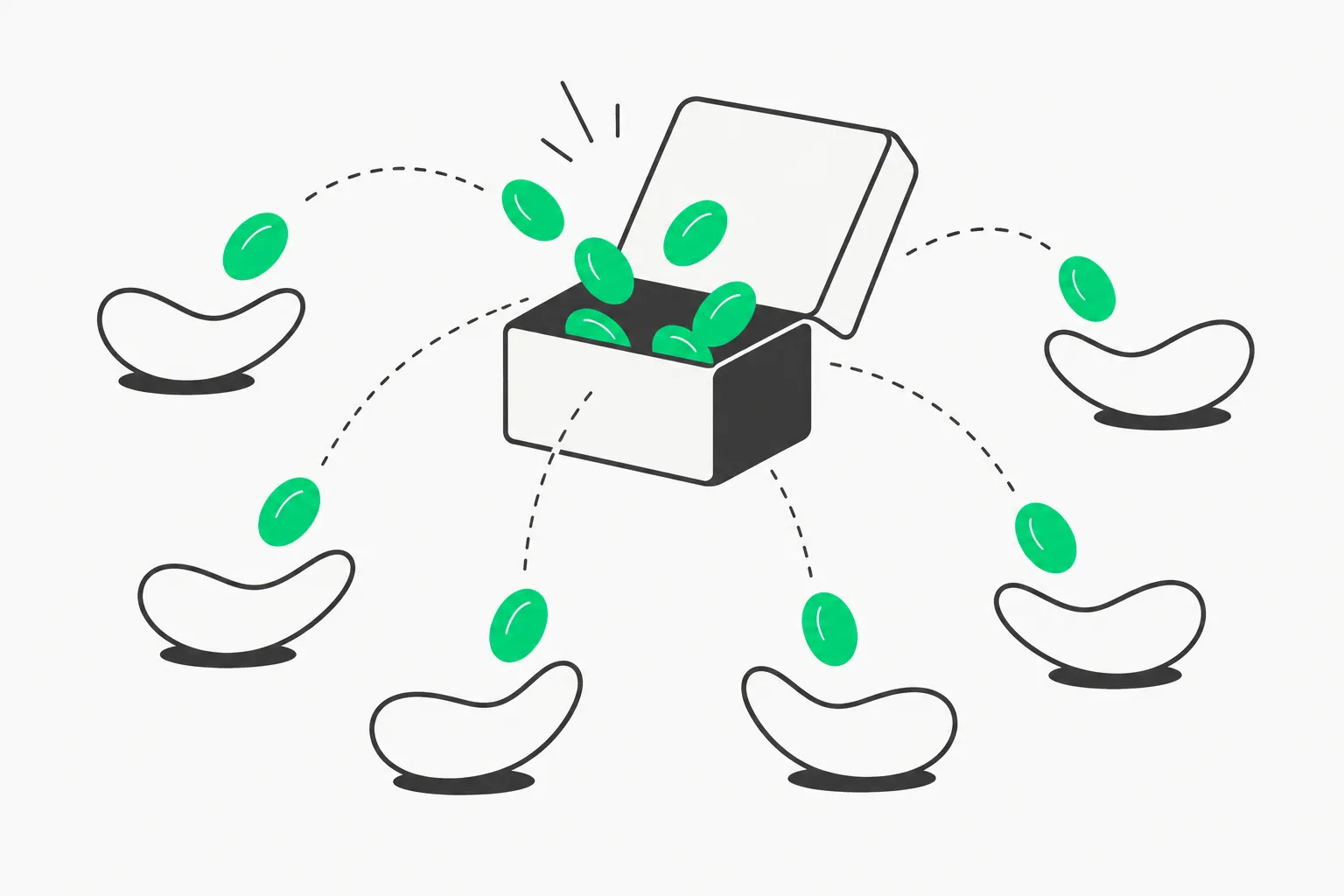 OpenAI ModRetro Chromatic Codex Edition pipeline from prompt to programmable game cartridge
Desktop first. OpenAI's developer documentation (linked from the cartridge page as a quickstart) starts in the Codex desktop app: install the ModRetro Chromatic plugin, pick a project folder, and describe the game. The plugin is built to manipulate art, maps, and logic, then compile a ROM you can open in a browser emulator.
GB Studio remains the edit layer. You can still open the generated project, move sprites, fix collisions, save, and ask Codex to rebuild — the same split brain many teams use between agents and visual editors. Advanced users can compile GBDK-2020 C projects through the plugin; RGBDS assembly needs a separate toolchain install, per ModRetro's public guides referenced on OpenAI's pages.
Three test surfaces.
- Browser emulator — fastest iteration, no hardware required.
- Stream to Chromatic — tests controls, speaker, and screen feel over a live link from the computer.
- Cartridge flash — writes the ROM to the included Codex Cartridge for offline play.
Flashing is destructive to whatever previously sat on that cart; OpenAI and ModRetro docs warn that existing saves on a rewritten cartridge can be lost. Treat the included cart as a dev scratch disk.
Hardware specs that matter for ROM authors
OpenAI's listing echoes ModRetro's public Chromatic specs:
| Spec | Value (per OpenAI listing) |
|---|---|
| Display | 160×144 IPS, backlit |
| Shell | Transparent ABS, 5.2×3×1.2 in |
| Power | 3× AA batteries (rechargeable ModRetro pack optional) |
| Audio | Loud speaker module, 3.5 mm headphone jack |
| Compatibility | Game Boy and Game Boy Color retail carts; Chromatic carts |
Your ROM must respect real 8-bit constraints: resolution, four-shade palettes, tile limits, and audio channels GB Studio encodes for you when you stay inside its abstractions. If you route through GBDK or assembly, you own those limits directly.
Pricing and availability reality check
The $200 Codex bundle includes one programmable cartridge. Extra carts cost $50 on Supply Co. OpenAI's price is for the Codex edition bundle (handheld plus programmable cart and activation), not a bare console discount — compare what you get on OpenAI's listing before treating it like a sale on ModRetro's direct store.
When we prepared this post, OpenAI listed "Restock soon" with expected restock November 19, 2026 on both the console and cartridge SKUs. The November 9 forum post coincided with the first broad sale after DevDay exclusives. Budget for Codex usage separately: authoring still runs through OpenAI's agent product, subject to your plan limits — the hardware price does not include unlimited inference.
Shipping is limited to seven regions on OpenAI's page. If you are outside that list, the workflow docs may still help you build ROMs, but you will need your own flash hardware or a standard Chromatic from ModRetro's store.
 ModRetro Chromatic Codex Edition handheld targets Game Boy-style ROM builders
How this compares to other agent-to-game stacks
Open-source projects like VibeGame chase 2D engines in the browser with multi-agent teams. Chromatic Codex Edition is narrower and more retro: fixed hardware, cartridge ritual, and GB Studio as the visual layer. That trades flexibility for a demo you can hand someone as a physical object — closer to OpenAI's Supply Co. marketing than to a general game engine repo.
For agent harness context, pair this with our Codex Micro guide (desk workflow) and OpenAI physical engineering launches (serious CAD). Chromatic is the weekend hack project in the same product family.
What people should ask before buying
Do I already use Codex desktop? Without the app and an active account, the bundle is an expensive Game Boy clone. The plugin is the point.
Will I finish a ROM? The happy path is small — tile puzzlers, micro RPGs, toy platformers. OpenAI's marketing clips show snack-sized games, not AAA scope.
Is Developer Mode acceptable on my security policy? Enterprise machines that block unsigned flashing tools or USB devices may fight the cartridge step even if emulation works.
Am I okay with restock timing? If the listing still shows November 19 restock when you read this, treat hype posts as preorders in disguise.
What people are asking about Chromatic Codex
Is this Palmer Luckey's ModRetro or OpenAI's console? ModRetro manufactures Chromatic. OpenAI's edition is a co-branded Supply Co. SKU with Codex-specific cartridge activation and documentation links. Repair, firmware, and shell hardware trace to ModRetro's support channels referenced on OpenAI's pages.
Does Codex replace GB Studio? No. OpenAI's flow assumes GB Studio (or GBDK for C projects) remains the visual editor. Codex accelerates scaffolding and iteration; you still own collision maps, sprite sheets, and audio limits.
Can enterprises buy dozens for a hackathon? Restock-limited drops and regional shipping caps make bulk procurement awkward. Plan emulator-only sprints if hardware arrives late.
Will generated games run on original Nintendo hardware? ROMs target Game Boy / GBC compatibility as described on the cartridge page. Real hardware flashers are a separate toolchain; the bundled cart is the supported path for Codex Edition buyers.
What about trademark and fan games? You are responsible for IP in prompts. Codex does not grant Nintendo licenses. Keep jam scope to original art and mechanics.
DevDay to Supply Co.: why the timing matters
OpenAI first showed Chromatic at DevDay as an exclusive. Public sale on November 9, 2026 signals Supply Co. is becoming a repeatable merch and hardware channel, not one-off conference swag. That matters for agent companies watching how OpenAI packages developer culture — same strategy as the Codex Micro keyboard, but aimed at creative coding rather than IDE throughput.
If Supply Co. keeps restocking Chromatic, expect plugin updates tied to Codex releases — watch the OpenAI community thread for changelog notes.
GB Studio constraints Codex cannot ignore
Even strong prompts hit hard 8-bit ceilings:
- Sprite and tile budgets — overlapping transparent sprites burn OBJ limits fast.
- Music channels — more than a few simultaneous tones distort on the handheld speaker OpenAI markets as loud.
- Save RAM — battery-backed saves on flashed carts need deliberate EEPROM design; naive agent output may omit persistence.
- Color palettes — four shades per background layer unless you target GBC enhanced modes deliberately.
Treat Codex as a junior engineer who drafts scenes; you still profile on hardware using stream-to-Chromatic before committing a cart flash.
Security and compliance notes for teams
This is consumer hardware, but corporate builders should remember: Codex projects can include API keys, private repo names, or licensed art if you paste them into prompts. Flashing a cart does not remove secrets from your desktop project folder. Use the same hygiene you would for any coding agent workspace.
Retail Chromatic units also play third-party Game Boy cartridges; the Codex edition does not change Nintendo trademark realities — you are building new ROMs, not distributing copyrighted commercial games.
Bottom line
OpenAI's ModRetro Chromatic Codex Edition is a $200 developer toy with teeth: it forces Codex to output ROM files you can hold. The workflow is honest about needing a PC, firmware updates, and Developer Mode. For explainx.ai readers, it is another data point that frontier labs want physical artifacts in their agent stories, not only chat transcripts.
We will add hands-on notes if OpenAI publishes new quickstart revisions or if the restock date moves on the Supply Co. pages.
Related reading
- OpenAI Codex Micro macro pad launch
- Codex and physical engineering at OpenAI
- VibeGame multi-agent 2D engine
- Agent sandboxes for coding agents
- OpenAI Astra day-by-day product log
- Scenario Labs skills for game art pipelines
Product details follow OpenAI Supply Co. and ModRetro documentation as of November 10, 2026.