




Meta FAIR open-sourced AgentBox on GitHub—a Python orchestrator that runs AI agents inside Apptainer containers on local Linux hosts or Slurm partitions, aimed at multi-agent systems research on clusters where users cannot get root. The README warns the project is under construction, but the quick start, Slurm allocation API, and Apache 2.0 license give university and lab teams a repeatable sandbox without standing up another proprietary cloud agent farm.
What Meta shipped in the repository
The facebookresearch/agentbox tree, observed November 24–25, 2026, includes:
src/agentboxPython package withAgentBoxManagerandContainerAPIs.- Examples, tests, docs, and CI under
.githubandcontainer/ci. CHANGELOG.md,CONTRIBUTING.md, and Meta’s standard Code of Conduct.
The README states AgentBox was originally built at Meta FAIR to study research agents and was refactored and improved before publication. It leans on Monarch to coordinate agent containers—Monarch here is the coordination layer named in the README, not Meta’s consumer Muse brand.
Supported platforms:
| Platform | Support per README |
|---|---|
| Linux local | Supported |
| Linux Slurm | Supported |
| macOS local | Workers supported; Apptainer via Lima backend |
| Windows | Not supported |
That matrix matters for builders who split time between a MacBook and a university cluster: you can prototype create_local on a laptop, then promote the same Container.run calls to create_slurm without rewriting agent logic—only the manager constructor changes.
Quick start: local worker
The README’s minimal example (reformatted for readability):
from agentbox import AgentBoxManager, Container

with AgentBoxManager.create_local(num_workers=1) as manager:
    with manager.acquire_machine() as machine:
        print(machine.run("uname -a").stdout)
    with Container(machine, image="docker://python:3.12-slim") as box:
        result = box.run(["python3", "-c", "print('hello from a container')"])
        print(result.stdout)
Requirements:
- Python 3.12+
apptaineron the worker hostpip install -e .from a clone of the repo
The docker://python:3.12-slim image URI shows AgentBox pulling OCI-style references Apptainer understands—handy if your lab already mirrors Docker Hub catalogs to oras:// or local SIF files.
Slurm mode for multi-node agent studies
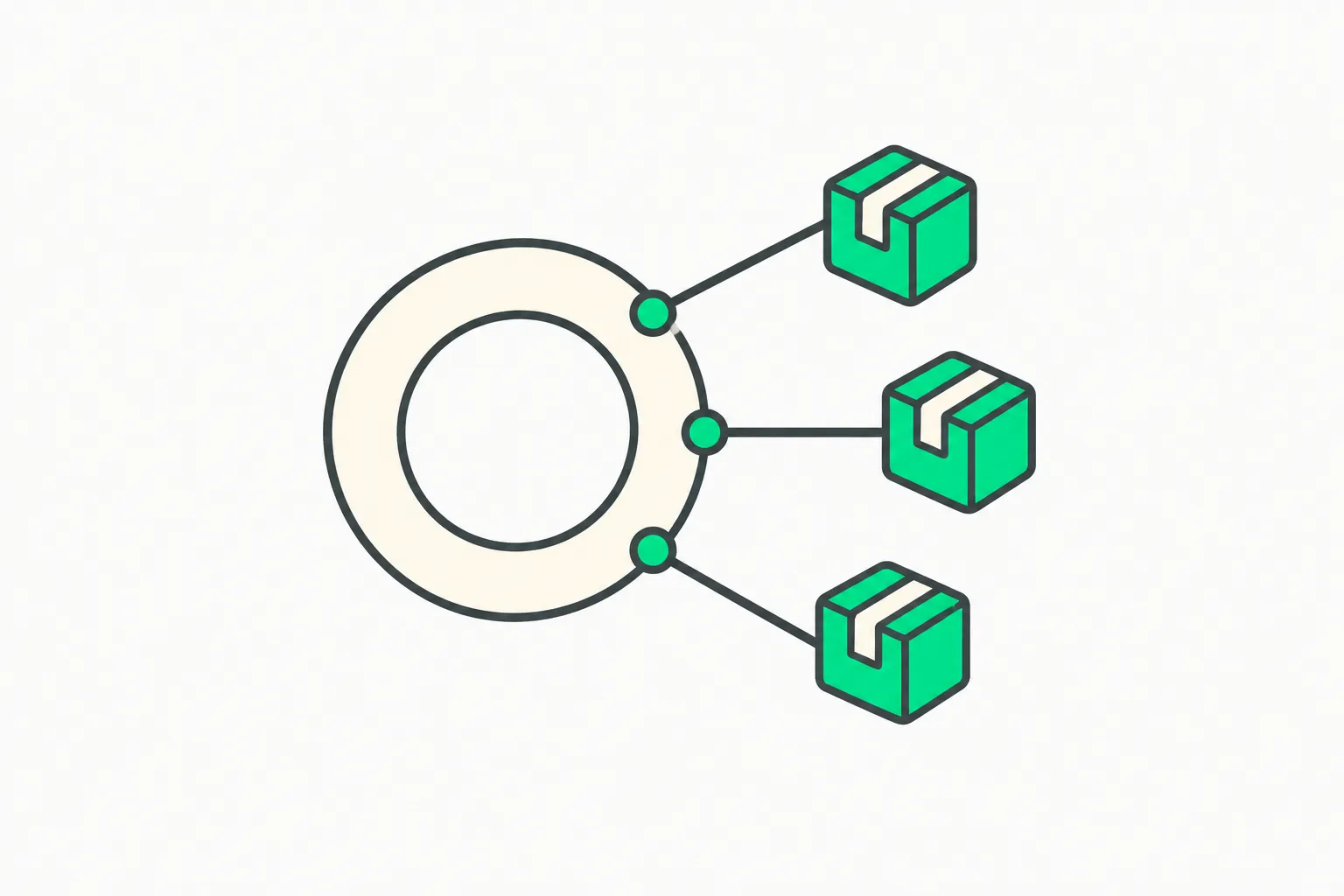 Meta AgentBox Slurm orchestration concept: multiple agent containers scheduled across HPC worker nodes
Image: explainx.ai library — multi-agent delegation metaphor for cluster-scheduled agent sandboxes.
HPC researchers swap create_local for create_slurm:
from agentbox import AgentBoxManager, SlurmAllocation

manager = AgentBoxManager.create_slurm(
    allocation=SlurmAllocation(partition="cpu", cpus_per_task=8),
    num_workers=16,
)
manager.wait_for_workers(min_available=16)
wait_for_workers makes the dependency on cluster queue time explicit—agent evals that need sixteen concurrent sandboxes fail fast if the partition is saturated, instead of silently degrading to single-node behavior.
Explainx.ai has tracked other Slurm-first open tooling in 2026, including NVIDIA Recovery for training resilience. AgentBox occupies the agent orchestration niche: many short containerized jobs with untrusted agent code, not multi-day pretraining checkpoints.
Why Apptainer instead of Docker on HPC
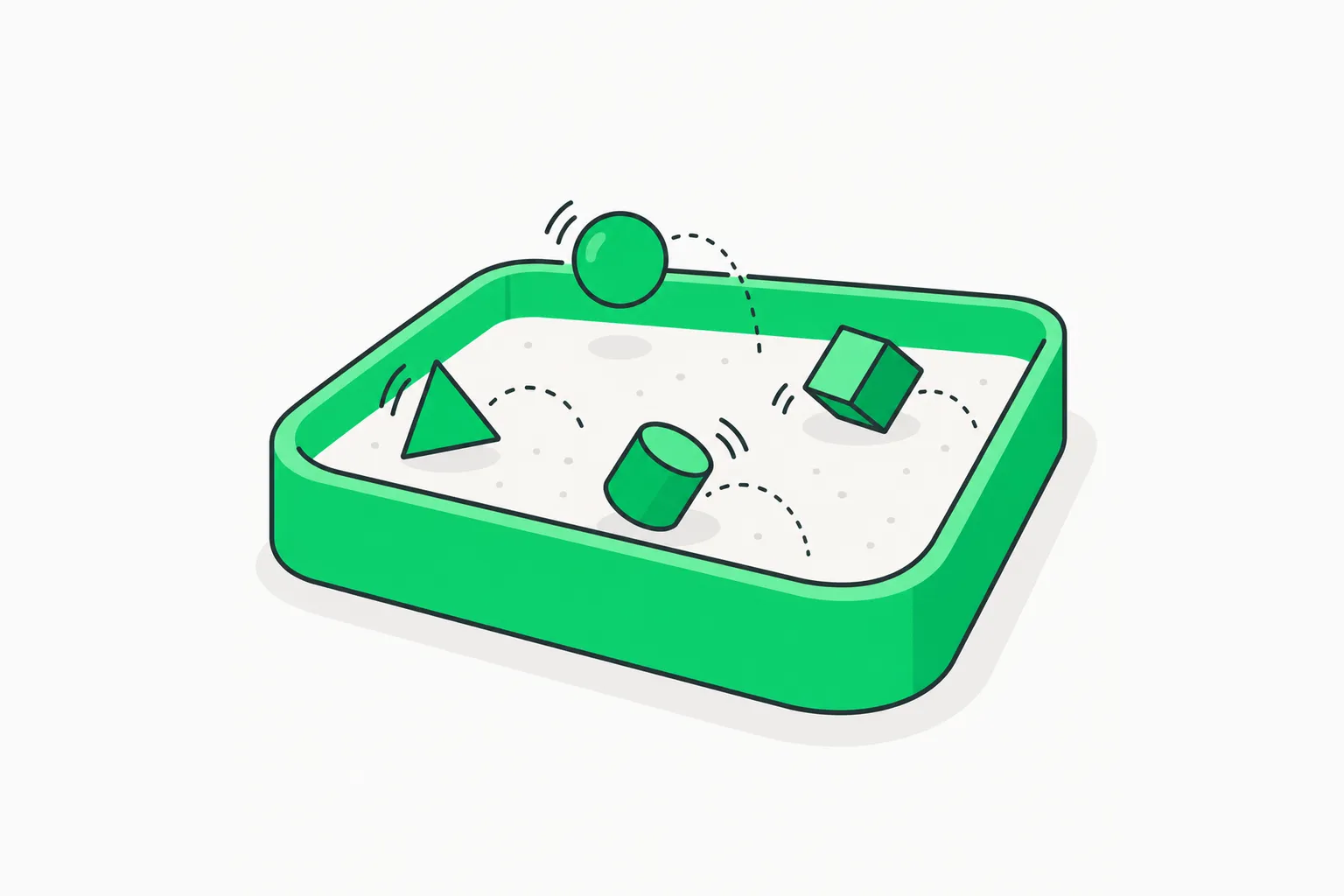 Apptainer container sandbox on shared HPC workers isolating untrusted agent code
Image: explainx.ai library — sandboxed execution on shared cluster nodes.
University and DOE sites often block Docker daemons for non-admins. Apptainer (formerly Singularity) runs unprivileged on shared nodes, which matches the README’s “without requiring root access” pitch.
Isolation goals in the README:
- Keep agents from each other.
- Keep agents from privileged test sets (benchmark holdouts, embargoed eval corpora).
That is the same containment story behind Anthropic Siren honeypots and OpenClaw real-world agent benchmarks, but AgentBox targets cluster schedulers rather than a Mac IDE plugin.
How AgentBox compares to other agent harnesses
| Tool | Maintainer | Runtime shape | Best for |
|---|---|---|---|
| AgentBox | Meta FAIR | Apptainer on Linux or Slurm | Multi-agent HPC experiments |
| OpenClaw ShellBench harness | Community or lab repos explainx.ai covered | Mixed local and CI | Benchmarking terminal agents |
| Mobile Agent Testers | Third-party OSS | GitHub Actions parallel QA | Mobile UI agents |
| AWS Strands Decider | AWS samples | Bedrock-oriented orchestration | AWS-native agent policies |
| Autopilot AFK-Bench harness | Research repos | Visual agent harness | Long-horizon UI agents |
AgentBox is not a model weights release. It will not change inference APIs tomorrow. It does lower friction for reproducible multi-agent ablation studies—the same audience Meta serves with SAM and robotics demos on other tracks.
Stability warning and governance
The README’s construction warning is blunt: APIs may change without notice. For PhD timelines, pin a commit hash and vendor environment.yml or uv.lock beside your paper artifact.
Apache 2.0 licensing helps fork custom schedulers— for example a SlurmAllocation on GPU partitions with DCGM health checks—without negotiating a research-only clickwrap. Still read Meta’s CONTRIBUTING.md before upstreaming patches; FAIR repos sometimes require CLA flows through GitHub.
Security practices for agent containers on shared clusters
 Scoped credentials and read-only eval mounts for agent jobs on Slurm clusters
Image: explainx.ai library — keep production keys out of batch agent sandboxes.
Even Apptainer isolation can fail when agents mount host paths or proxy credentials. Pair AgentBox with cluster policies explainx.ai echoed in NCSC agentic guidance:
- Never inject production API keys into Slurm batch jobs—use scoped tokens with per-job labels.
- Separate holdout eval datasets onto read-only filesystems only the orchestrator user can mount.
- Log
Container.runargv centrally; agents that spawn shells are insider threats. - Audit outbound network on worker nodes; agents exfiltrating Slurm job metadata is a common red-team finding on university clusters.
Meta has not published a threat model page for AgentBox yet; treat network egress as your responsibility.
How to try AgentBox this week
- Request a small Slurm allocation on a cluster that already ships Apptainer (many Tier-2 universities do).
- Clone
https://github.com/facebookresearch/agentboxand runpip install -e .inside a venv on the login node. - Start with
create_local(num_workers=1)on a single compute node interactive session (srun --pty bash). - Promote to
create_slurmonly afterwait_for_workerssucceeds atmin_available=2to catch partition typos early. - Compare wall-clock against your existing tmux plus Docker workflow—AgentBox’s value is API-level acquisition, not raw FLOPs.
If you lack Slurm, create_local on Linux CI (GitHub Actions self-hosted runners with Apptainer) is a workable smoke test, though the README does not document CI officially.
Relationship to Meta’s wider agent research
Meta’s 2026 public agent surface spans Muse assistants, SAM 3D, and warehouse robotics models explainx.ai already indexed. AgentBox sits below product marketing: it is infrastructure for FAIR teams running many untrusted agent policies against shared benchmarks.
Watch the CHANGELOG.md—with only one commit at publication, the next releases will likely add GPU images, Monarch topology docs, and example multi-agent tournaments. None of those appear in the first README beyond pointers to docs/ and examples/.
FAQ alignment with common searches
Teams search “run agents on Slurm” when cloud sandboxes get budget-capped. AgentBox’s answer is official Apptainer wiring plus SlurmAllocation, not Kubernetes DIY. Teams search “agent sandbox without root”—Apptainer is the README’s explicit choice.
For consumer Muse questions, redirect to Meta Muse Instagram DMs rollout; AgentBox will not tune Messenger routing.
Repository layout and docs pointers
The first public commit exposes a conventional FAIR layout:
docs/— installation, core concepts, container lifecycle, and an API map the README links but does not inline.examples/— starter scripts for teams that learn by running rather than reading manager signatures.tests/plus.githubworkflows — minimal CI signal; expect gaps until maintainers publish integration tests on a real Slurm testbed.container/ci— hints that Meta dogfoods AgentBox inside containerized CI, useful if you plan nightly multi-agent regression on a shared cluster account.
Because the repo lists one commit at publication, treat docs/ as authoritative over blog summaries. If SlurmAllocation gains GPU partitions, gres, or accounting strings, the README will update before third-party tutorials catch up.
Monarch coordination in plain language
The README names Monarch as the coordinator behind AgentBoxManager. In practice Monarch is doing worker bookkeeping: tracking which cluster nodes are free, which Apptainer instances are leased, and how Container contexts map to machine handles returned by acquire_machine().
That separation matters when you run adversarial multi-agent tournaments:
- Monarch layer — scheduling fairness, worker heartbeats, Slurm allocation renewals.
- Container layer — filesystem view, argv executed inside SIF, outbound network inside the sandbox.
Meta does not ship opinionated agent policies—no bundled Claude Code or Codex plugin. You bring the agent framework; AgentBox supplies isolation plumbing. Compare that to Autopilot AFK-Bench, which bundles benchmark tasks and harness code together.
Troubleshooting on real clusters
| Symptom | Likely cause | Mitigation |
|---|---|---|
wait_for_workers hangs | Wrong partition name or QoS denial | sinfo on the cluster; ask admins for a dev partition |
| Apptainer not found on compute node | Module not loaded in batch script | Add module load apptainer before pip install smoke tests |
| Image pull failures | Login node can reach Docker Hub but workers cannot | Mirror to local SIF on shared filesystem |
| Permission denied on Apptainer cache | Home directory quota | Point APPTAINER_CACHEDIR at project scratch |
| Agents see host secrets | Bind-mounting $HOME** with **.ssh` | Use read-only mounts; inject ephemeral tokens per job |
These are cluster-ops failures, not model quality issues. They dominate office hours the first semester a lab adopts agent sandboxes.
Where AgentBox fits in the 2026 agent stack
Cloud vendors sell managed computer-use VMs with per-minute billing and prebuilt browsers. AgentBox targets the opposite economic corner: sunk HPC allocation you already pay for on grant line items. If your Slurm fair-share sits idle overnight, AgentBox is a cheap place to stress-test twenty agent policies before you spend frontier API dollars in parallel.
It also complements benchmark repos explainx.ai covered—ShellBench measures outcomes; AgentBox helps you run those harnesses where Docker socket access is forbidden. Pair with Prime Intellect Model Factory thinking only when you need managed training; AgentBox is not a trainer, only a runtime cage.