



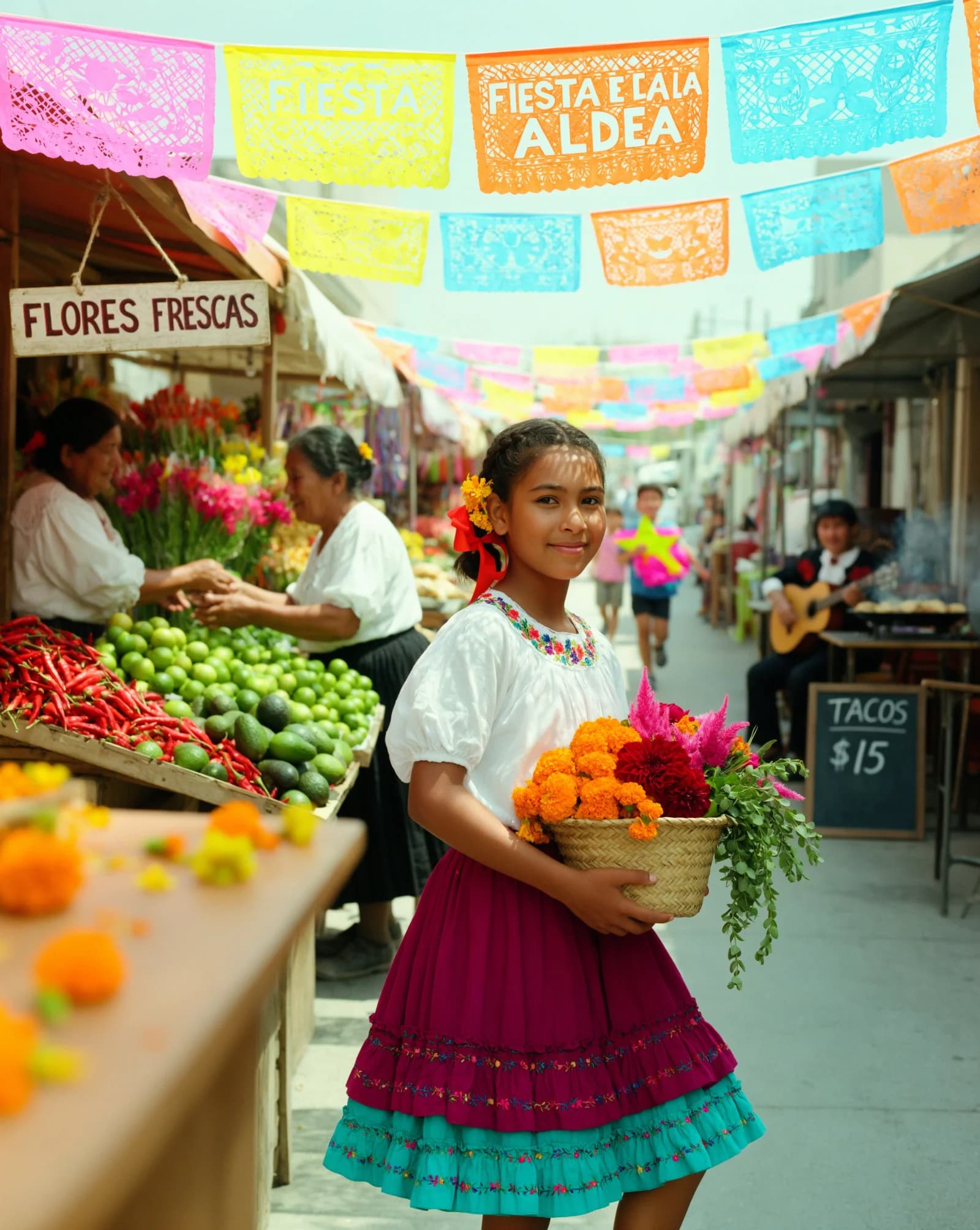
Ideogram released Ideogram 4.6 on November 19, 2026. In its launch thread on X, the company calls it "the new frontier of precise editing, now in native 4K," with "dramatically better realism and texture detail," significantly less pixel drift outside your edits, and much better color accuracy. It says the model is live in the Ideogram app, the API, and partner platforms including Leonardo, Runway, fal and Comfy.
The headline performance claim is a ranking: Ideogram says 4.6 is first on Rapidata's Multi-step Image Edit leaderboard. This post separates what Ideogram states, what is visible in its own chart, and what is not yet confirmed by anyone else.
Update (November 19, 2026): Ideogram says an open version of 4.6 is coming
Later on November 19, the official @ideogram_ai account said in a follow-up post that it will "skip 4.5 open and go directly to 4.6 open." That reverses the open-weight question this post left unanswered: Ideogram has now said it plans an open release of 4.6, and that the earlier-planned open 4.5 will not ship. A separate post from Mo Norouzi, Ideogram's founder and CEO, says the team is getting ready for the open-source version.
What is confirmed: the intent, stated by the company. What is not: a release date, the license, the parameter count or where the weights will appear. Ideogram 4 shipped in June as an open-weight model with a non-commercial weights agreement according to press coverage, so check the license terms when the 4.6 weights land rather than assuming they match. The hosted 4.6 model remains available through the Ideogram app, the API and partners such as fal. Our guide to the earlier open release is Ideogram 4: open-weight image generation, how to run it.
TL;DR: claimed versus verified
| Claim | Source | Status |
|---|---|---|
| Native 4K output, no upscaling | Ideogram's X thread | Stated by Ideogram; test on your own prompts |
| Less pixel drift outside edits | Ideogram | Stated; the chart below measures multi-step editing, not drift directly |
| #1 on Rapidata Multi-step Image Edit | Ideogram's posted chart | Chart shows 1892, plus or minus 32; no independent write-up found |
| Live in app, API, Leonardo, Runway, fal, Comfy | Ideogram | Stated; confirm on each platform |
| Price | None found | Unknown for 4.6 |
| Open weights | None found | Not stated |
What Ideogram says it shipped
The thread, from the official @ideogram_ai account, makes five points:
- Native 4K. "Ideogram 4.6 generates images in native 4K. That means no upscaling: every detail, from skin to fabric texture" is rendered at that size, per the post text.
- Precise editing. Edits should change what you ask and leave the rest alone. Ideogram describes this as significantly less pixel drift outside your edits.
- Color and material accuracy. A separate post says 4.6 "dramatically improves color and material accuracy."
- Sketch to image. Another post says it excels at sketch to image, noting that sketching is one of the main ways creatives control output.
- A ranking. 4.6 "ranks #1 on Rapidata's Multi-step Image Edit leaderboard, ahead of every other model," according to the post.
fal, one of the partner platforms, describes support for edits across product details, clothing colors, illustrated elements and poster typography.
The chart: what the leaderboard image actually shows
The image Ideogram posted lists seven models with scores and confidence ranges.
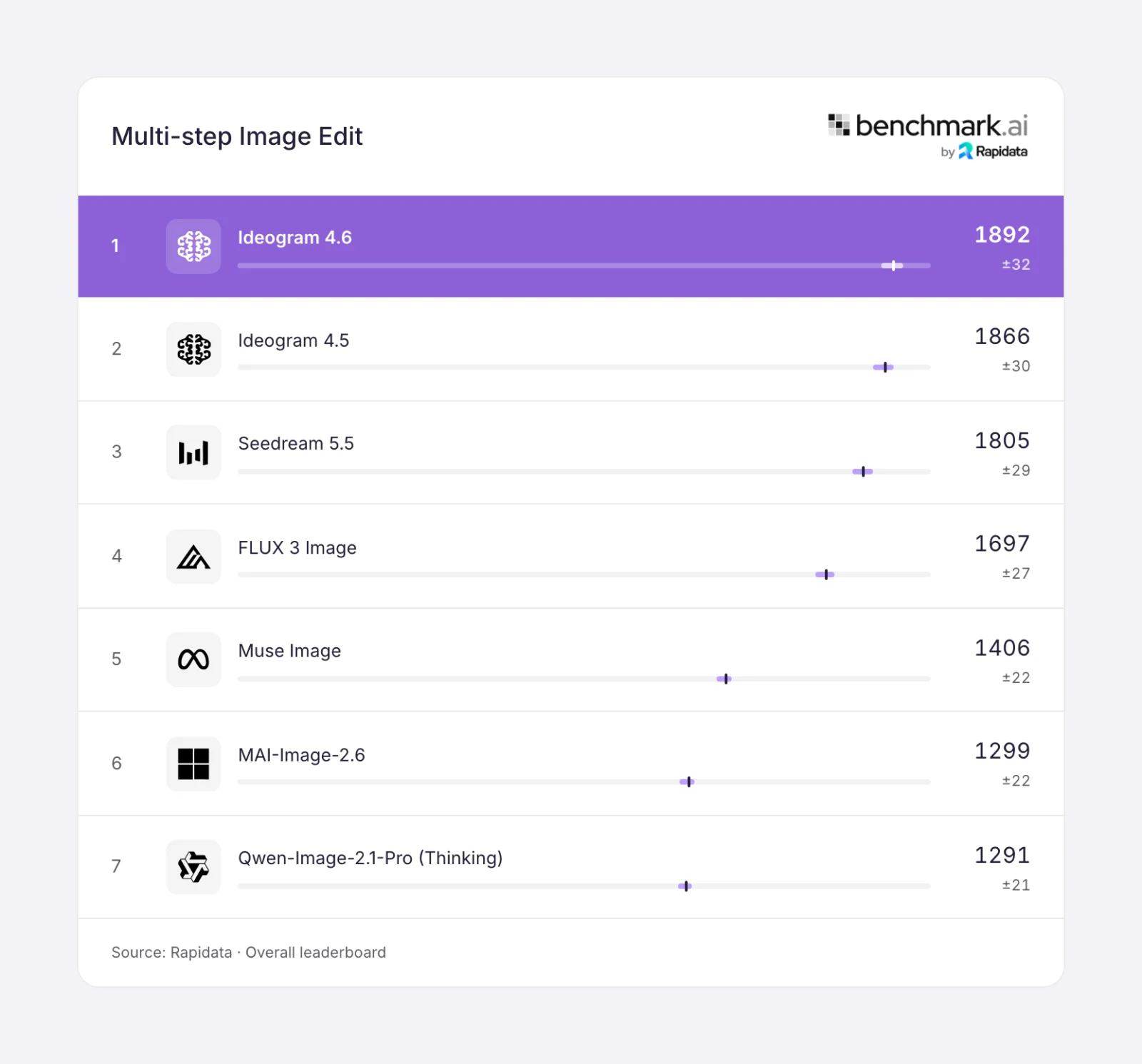 Ideogram 4.6 ranking first on Rapidata's multi-step image edit leaderboard
Image: @ideogram_ai
| Rank | Model | Score |
|---|---|---|
| 1 | Ideogram 4.6 | 1892, plus or minus 32 |
| 2 | Ideogram 4.5 | 1866, plus or minus 30 |
| 3 | Seedream 5.5 | 1805, plus or minus 29 |
| 4 | FLUX 3 Image | 1697, plus or minus 27 |
| 5 | Muse Image | 1406, plus or minus 22 |
| 6 | MAI-Image-2.6 | 1299, plus or minus 22 |
| 7 | Qwen-Image-2.1-Pro (Thinking) | 1291, plus or minus 21 |
The chart is labeled "Source: Rapidata, Overall leaderboard." Read it carefully:
- The lead over Ideogram 4.5 is 26 points, and the ranges are plus or minus 32 and plus or minus 30. Those ranges overlap, so the chart alone does not show that 4.6 is clearly better than 4.5 on this board. It does show a clear gap to the third place model, Seedream 5.5, at 87 points.
- The board is one test. Multi-step editing is the scenario Ideogram designed 4.6 for. A model that wins here may not win on single-shot generation, text rendering or speed.
- The chart comes from the vendor's post. We did not find the Rapidata page or an outlet reproducing the numbers. Check Rapidata's own leaderboard before quoting the figure as independent.
Compare that with the previous model. When Ideogram 4.5 launched on September 30, 2026, The Decoder reported Ideogram's claim that it could edit part of an image without disturbing the rest. A separate report put 4.5 at 23rd place, 1,064 Elo from 2,382 votes, on Artificial Analysis's image-editing board. Different boards use different methods and scales, so the two sets of numbers cannot be compared directly. They show why one leaderboard is not the whole picture.
Native 4K: what the sample shows
Ideogram's post includes native 4K samples.
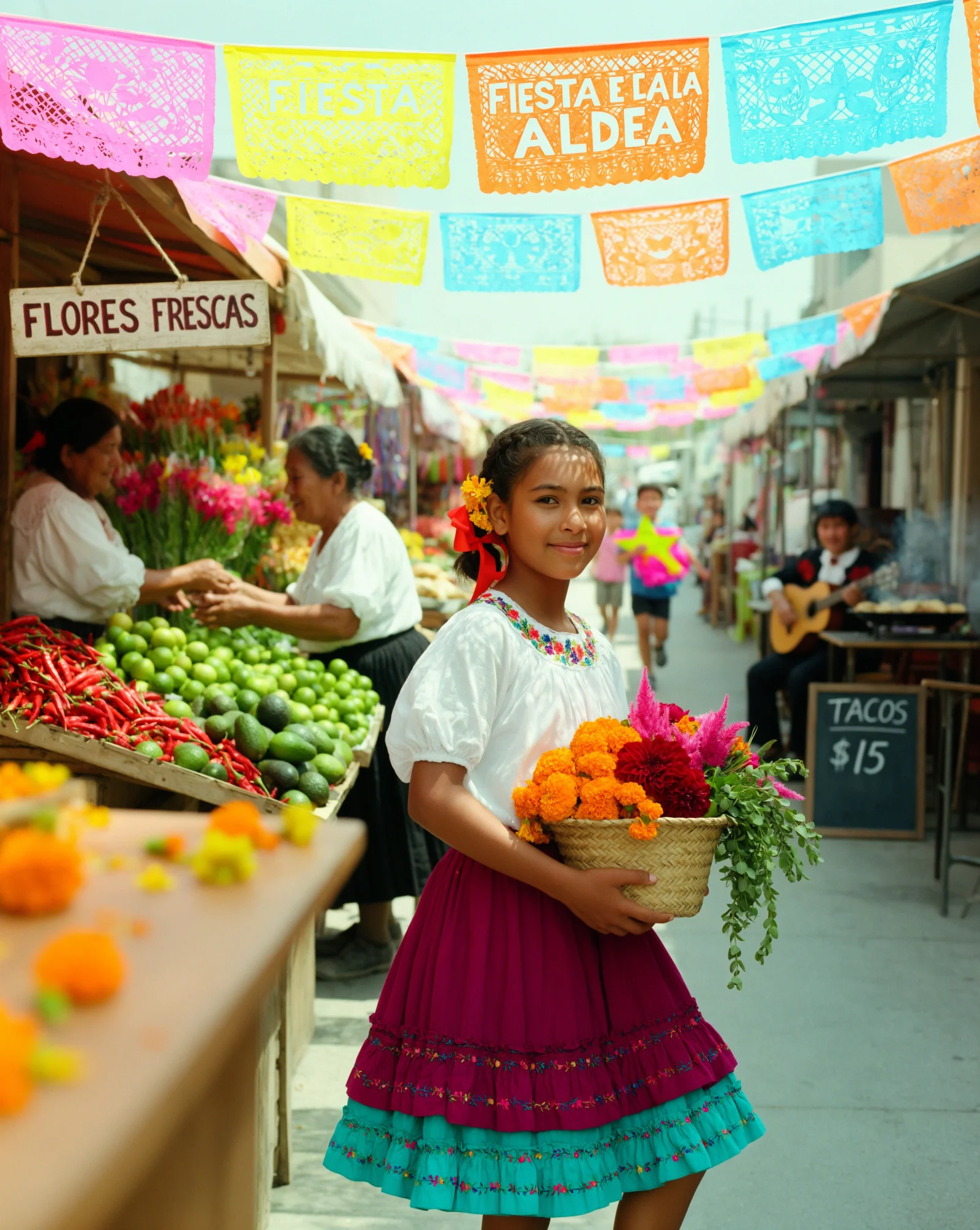 Ideogram 4.6 native 4K detail sample showing skin and fabric texture
Image: @ideogram_ai
This downsized copy shows rich color and fabric texture, which supports the texture claim at a glance. Look closely at the lettering on the paper banners: the banner text does not read as clean, correct words ("FIESTA E LALA ALDEA" reads as garbled). Ideogram's brand rests on text rendering, so this is a useful reminder to test typography yourself. One sample is an advertisement, not a test.
How to test the claims yourself
Do not rely on any chart, including this one. A short test takes about an hour:
- Pick 10 real edits you do today. Include a color change, a small object removal, a text change on a poster and a product detail fix.
- Run each as a chain of 3 edits. The vendor's promise is that repeated edits do not accumulate drift.
- Compare outside the edited region. Overlay the original and the result and look at areas you did not touch.
- Check text. Ask for specific words and zoom in at 100%.
- Count cost and time. Log latency and price per image on the platform you use.
- Run the same set on your current model. Keep prompts identical.
Our earlier post on the model's lineage, Ideogram 4: open-weight image generation, how to run it, covers the open-weight version and JSON prompts, which may help you set up a repeatable test. For editable vector output rather than raster, see Ideogram Vector 1, claimed vs verified.
Why pixel drift matters in practice
Editing models usually regenerate part or all of an image from a text instruction. Each pass can nudge pixels outside the area you meant to change: a skin tone warms, a background texture softens, a logo edge shifts. One pass may look fine. After five passes the image has wandered from the original. That is pixel drift, and it is the reason designers often leave an AI editor and finish by hand.
Ideogram's pitch is that 4.6 keeps the untouched region stable and holds color accurate across steps. If true, it changes who can use AI editing in a real workflow:
| Job | Why drift hurts | What to test in 4.6 |
|---|---|---|
| Product photos | A color change to one item must not shift the rest of the scene | Change a shirt color, then check the background and skin tone |
| Poster typography | Fixing one word must not reflow the layout | Swap a headline, then zoom on every other line |
| Brand assets | Colors must match a style guide after several rounds | Measure color values before and after three edits |
| Illustration | Linework must stay crisp across revisions | Edit one element and compare stroke widths elsewhere |
Notice that every row is a measurable check. None of them needs a leaderboard. If you can script the comparison, for example by diffing the untouched region and counting changed pixels, you get an answer that belongs to your workflow and not to a vendor chart.
How 4.6 fits the 2026 image model race
The chart itself shows the field: Seedream 5.5, FLUX 3 Image, Muse Image, MAI-Image-2.6 and Qwen-Image-2.1-Pro are all on the same board. Resolution is also climbing. Kling Image 4 offered native 8K via API this month, as we reported in Kling Image 4 native 8K API. Black Forest Labs' latest family is in our FLUX 3 coverage, and Meta's cheap production model is in Muse Image at $0.01 per image.
The trend is that editing quality, not first-draft generation, is where vendors now compete, because real creative work is many small edits. That is why a "multi-step edit" board exists and why Ideogram picked it for its claim.
What is not known yet
- Price. No 4.6 price appears in the sources we found. Partners may differ.
- Weights. Ideogram says an open 4.6 is coming, but gave no date, license or download location.
- Independent evaluations. No third-party test of the drift claim yet.
- Resolution limits. "Native 4K" does not say how aspect ratios, batch sizes or edit regions scale.
- Safety and provenance. The posts do not mention content credentials or watermarking for 4.6.
If any of these are answered by Ideogram or by a testing group, we will add an update.
Questions people search
Is Ideogram 4.6 better than 4.5? Ideogram's chart says so by 26 points, within overlapping error ranges. Test on your own edits.
Is Ideogram 4.6 free? Not stated. Check the Ideogram app plans and the platform you use.
Does it replace upscalers? If native 4K holds up in your tests, an upscale step may be unnecessary for some work. That is a test, not a promise.
Bottom line
Ideogram 4.6 is a real release with a clear pitch: native 4K and edits that leave the rest of the image alone. The ranking is a vendor-posted chart that looks strong against other models and narrow against Ideogram's own 4.5. Verify on your own images before you move a pipeline.
Related reading
- Ideogram 4: open-weight image generation, how to run it
- Ideogram Vector 1: claimed vs verified
- Kling Image 4 native 8K API
- FLUX 3 from Black Forest Labs
- Meta Muse Image at one cent per image
- MAI-Image-2.6-Flash from Microsoft
Details reflect Ideogram's posts of November 19, 2026.