



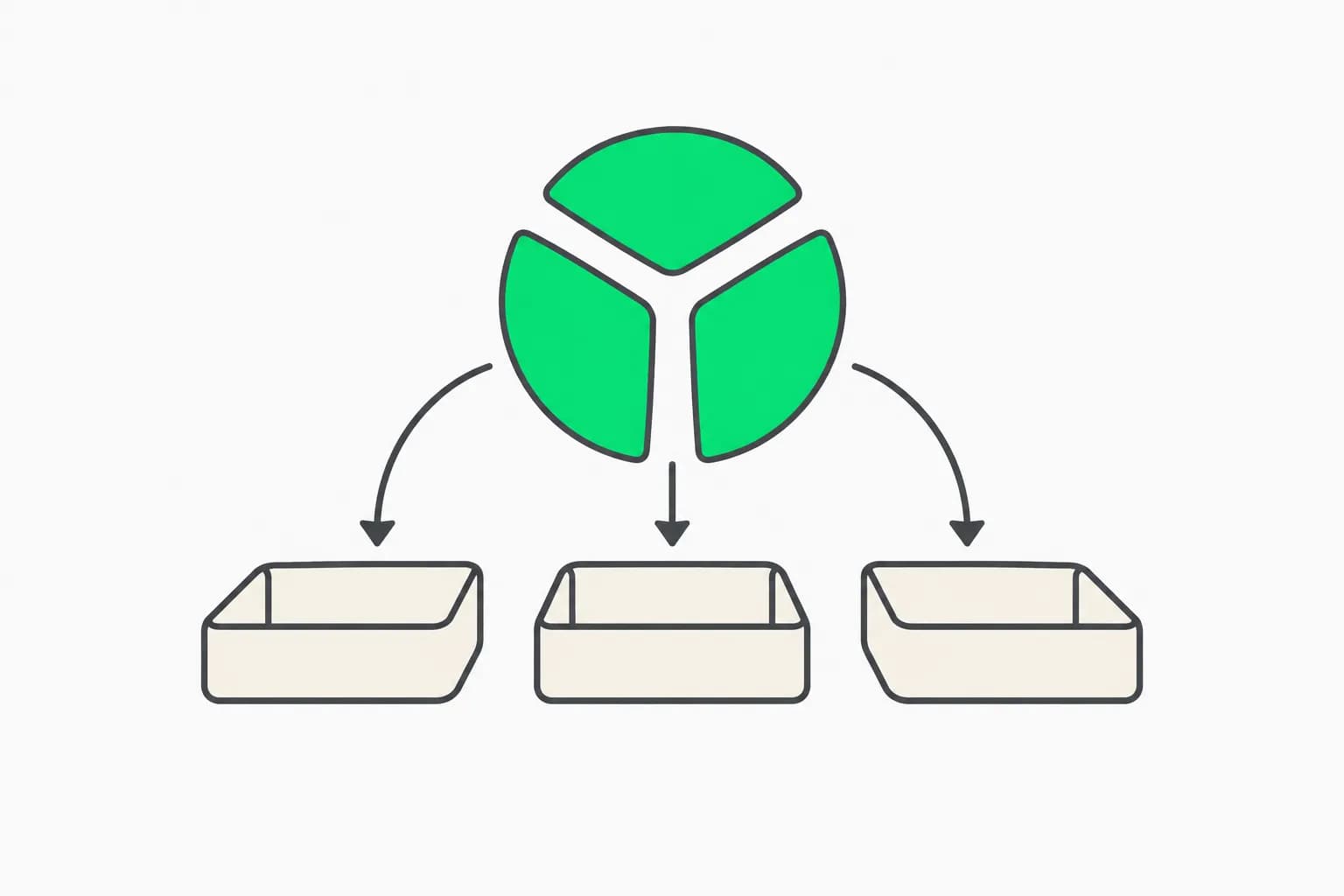
Justice Department antitrust officials are asking whether Nvidia's purchase of Hugging Face would give the chipmaker control of a key channel for distributing AI, according to a Reuters report published October 28, 2026. The report cites people familiar with the matter. Nvidia declined to comment, and a DOJ spokesperson declined to discuss matters before the department.
That is a reported inquiry, not an announced lawsuit or a formal challenge. But it lands on the single most important piece of infrastructure for open-weight models, and it affects anyone who downloads checkpoints from the Hub. We covered the deal itself in NVIDIA Is Buying Hugging Face for $12.9 Billion; this post covers the scrutiny.
TL;DR: what is confirmed and what is not
| Question | Answer |
|---|---|
| What was reported? | DOJ officials are asking whether the deal gives Nvidia control of a key AI distribution channel (Reuters, via secondary summaries) |
| Is there an announced investigation? | No. Nvidia declined to comment; DOJ declined to discuss matters before it |
| Deal price in the SEC filing | About $11.9 billion to stockholders plus up to about $1.0 billion retention equity; the $12.93 billion headline is the sum |
| Expected close | First half of 2027, pending regulatory approvals |
| Nvidia's pledge | Keep the platform open and support other silicon vendors |
| Could this lead nowhere? | Yes. Government inquiries are not evidence of wrongdoing and may not lead to action |
What did Reuters report?
Reuters, as summarized by PYMNTS and other outlets, says US antitrust officials are asking whether Nvidia's $12.93 billion purchase of Hugging Face would hand the chipmaker control of a key channel for distributing artificial intelligence. We could not open Reuters directly, so the details below come from PYMNTS' summary and should be read as second-hand until you check the original.
Per that summary, the recent questions also cover Nvidia's acquisitions and investments, how it sells its products, and whether it has pressured customers. The Hugging Face questions run alongside a long-standing DOJ examination of Nvidia's business, which reportedly began under President Biden and has continued under President Trump. Reuters found no indication Trump has been involved.
Two related threads are mentioned. Bloomberg reported on September 9 that the DOJ is examining whether Nvidia's $20 billion Groq licensing deal was structured to avoid antitrust review. And officials have reportedly looked at Nvidia's December 2025 purchase of SchedMD, the maker of open-source supercomputer scheduling software, which Nvidia pledged to keep open and supported.
What does the deal actually say?
Nvidia's Form 8-K describes a definitive agreement to acquire Hugging Face for approximately $11.9 billion payable to stockholders, subject to certain adjustments, with an equity-based retention program of up to approximately $1.0 billion for employees who join Nvidia. Closing is expected in the first half of 2027, subject to customary conditions including required regulatory approvals.
The filing also says Nvidia has committed to keep the platform open after closing: users can upload and download models and datasets of their choosing, and the platform will support other silicon vendors. And it carries a risk warning worth noting: Nvidia says government restrictions on open-source AI models, including models originating in China, could limit the expected benefits of the deal or materially affect its business.
Jensen Huang said at the announcement that developers will not need Nvidia hardware to build on or deploy through the platform. Our earlier reporting-stage post tracks how the story moved from leak to filing.
Why would a distribution channel matter to antitrust?
The theory of harm is easy to state. Hugging Face hosts a large share of the world's open models and datasets. A tech-policy tracker citing MLex puts the platform above 18 million developers, over 3 million models and 500,000 datasets. If the company that sells most AI accelerators also owns the default place where models are found, tested and downloaded, regulators ask whether it could tilt that platform toward its own hardware.
Independent commentary in the tracker notes Nvidia's roughly 92% revenue share from its data center business. The worry is subtle favoritism, not an outright ban on rivals: default runtime recommendations, optimized checkpoint formats, ranking, or integration speed for Nvidia kernels ahead of AMD or Apple Silicon. Those are small levers that are hard to detect and hard to remedy with a promise.
Nvidia's answer is that the deal expands access rather than concentrates it. Whether that is enough is exactly what the reported questions probe. Here is the plain comparison of the two readings:
| Reading | Argument |
|---|---|
| Concern | A dominant chip seller owning the neutral model hub could disadvantage rivals and entrench its stack |
| Defense | Weights are files under open licenses, mirrors exist, and Nvidia has pledged openness and multi-vendor support |
Why this is not just a finance story
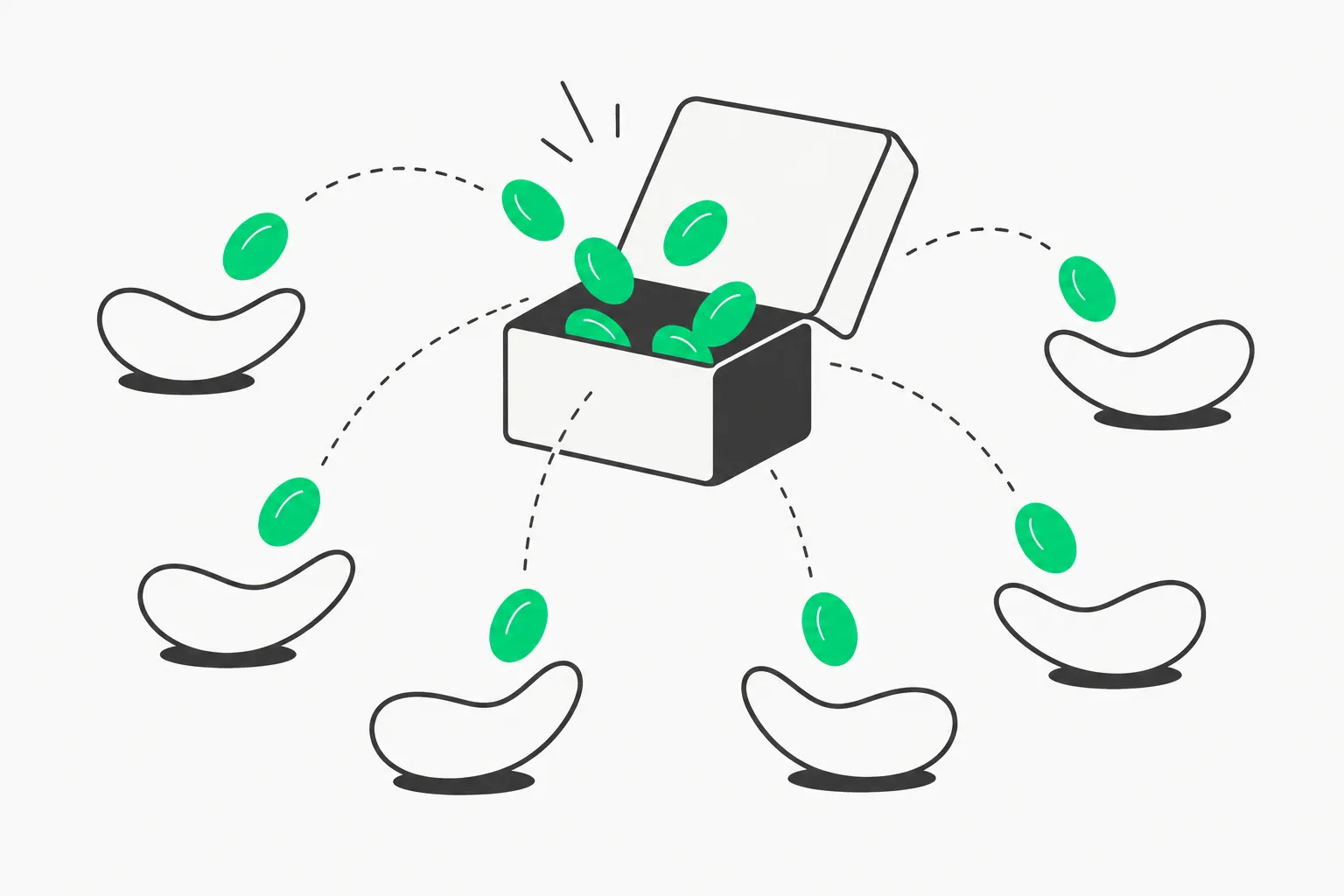 Open weight model release box opening toward open hands, representing the Hugging Face model hub and open weights distribution
If you build with open models, the Hub is part of your toolchain. Downloads, model cards, gated access, spaces, datasets, and the transformers and diffusers libraries all route through it. We have already seen how much depends on it in outages and platform changes, from the OpenAI Hugging Face incident postmortem to the push for native TPU support in Transformers and Diffusers. A change in who owns it, or a long review that freezes plans, matters to anyone who treats it as neutral ground.
It also fits Nvidia's wider pattern of buying into the open-model ecosystem. We covered Nvidia's acquisition talks with Reflection AI, the company's push to make compute a financeable asset class, and xAI's open-weight releases on Hugging Face. Taken together, regulators have a story to tell about a supplier moving up the stack.
Timeline: how we got here
| Date | Event | Source |
|---|---|---|
| 2021 | FTC sues to block Nvidia's $40 billion Arm takeover; Nvidia drops the deal in 2022 | Reuters, via PYMNTS |
| December 2025 | Nvidia buys SchedMD and announces its Groq licensing deal | Reuters, via PYMNTS |
| August 27, 2026 | First reports that Nvidia agreed to buy Hugging Face | Our earlier coverage |
| September 2, 2026 | Definitive agreement signed; 8-K filed the next morning | Nvidia Form 8-K |
| September 9, 2026 | Bloomberg reports DOJ is examining the Groq deal structure | Bloomberg, via PYMNTS |
| October 28, 2026 | Reuters reports DOJ questions about Hugging Face | Reuters, via PYMNTS |
| First half of 2027 | Expected close, subject to approvals | Nvidia Form 8-K |
The Arm precedent is the one lawyers will reach for first. In that case the stated worry was also about a neutral supplier of shared technology falling under a company that competes with its customers. Nvidia walked away rather than litigate. The Hugging Face case is different in structure, since the asset is a platform rather than a chip design, but the underlying question of neutrality is the same.
It is also worth noticing what is absent. The reporting does not say the DOJ has asked Nvidia to delay closing, has issued a formal second request, or has sued. Merger reviews often involve many informal questions before anything public happens, and most never reach a courtroom. Equally, a long review is itself a cost: it can push the close date past the first half of 2027 and keep Hugging Face's roadmap in limbo, because pending deals usually restrict how much the target can change.
What should open-model users do now?
The deal has not closed and nothing about the Hub has changed today. Sensible, low-cost steps:
- Mirror what you depend on. Keep local copies or an internal registry of the checkpoints, tokenizers and datasets your production systems use, with pinned revisions.
- Avoid hard-coding the Hub in infrastructure. Make the model source configurable so you can switch to a mirror or object store.
- Check licenses, not hosting. The license travels with the weights; the host does not change it.
- Test on more than one vendor. If your stack only runs well on one GPU family, platform neutrality matters less to you but portability matters more.
- Watch for formal steps. A second request for information, a published merger challenge, or conditions on a settlement would be the signals that the inquiry is real action. Nothing like that is reported yet.
What we do not know
- The state of the review. Reuters describes questions, not a filed case. We could not confirm the formal status under the Hart-Scott-Rodino Act beyond the tracker's statement that premerger notification is expected.
- EU review. The tracker says it is unclear whether European Commission review is triggered, and no EU notification was confirmed as of its publication.
- Remedies. If regulators demanded conditions, they might include governance firewalls, interoperability commitments, or neutrality undertakings. None are reported.
- Hugging Face's view. It did not respond to Reuters' request, per the summary.
This is a reported inquiry from anonymous sources. Treat the headline as a signal to prepare, not a prediction of how the deal ends.
Accurate as of October 28, 2026, based on the SEC filing and secondary summaries of Reuters' report. We could not open Reuters or The Next Web directly.
Related reading
- NVIDIA is buying Hugging Face for $12.9 billion
- Nvidia reportedly agrees to buy Hugging Face (August report)
- Nvidia and Reflection AI acquisition talks
- Nvidia's $500 billion compute asset class push
- xAI Grok open weights on Hugging Face
- Hugging Face TorchTPU support
- Official: Nvidia Form 8-K, Tech Policy Law tracker