




LMSYS Org launched the SGLang Consortium on November 12, 2026 at the opening keynote of the first SGLang Summit in San Francisco, naming NVIDIA, AMD, Intel, Google, Meta, Cloudflare, Modal, and RadixArk as founding members. The group is a roadmap forum for open inference—not a closed fork. SGLang's maintainers keep code acceptance authority, a distinction that matters if you are betting production on one serving stack.
The announcement lands the same week Thinking Machines published Inkling 2 Small weights with SGLang in the supported runtime list, and weeks after we documented vendor decode plugins.
TL;DR
| Topic | Consortium facts (Nov 12, 2026) |
|---|---|
| Announced at | SGLang Summit, Fort Mason, San Francisco (Nov 12–13) |
| Host | LMSYS Org, nonprofit behind SGLang |
| Members | NVIDIA, AMD, Intel, Google, Meta, Cloudflare, Modal, RadixArk |
| Focus areas | Frontier models, reasoning and multimodal, distributed inference, hardware optimization |
| Cadence | Two roadmap meetings per year per member, plus working groups |
| Governance | Maintainers accept code; members advise and co-develop |
| Context stat | Summit messaging cites Deloitte projection that inference is ~two-thirds of AI compute in 2026 |
What LMSYS announced
LMSYS's release, distributed via Business Wire and mirrored on the SGLang Summit site, frames inference as the dominant compute spend:
- SGLang is described as a full-stack inference engine in the PyTorch ecosystem, running on hundreds of thousands of GPUs.
- Named production users in consortium messaging include Meta, Microsoft, Google, Amazon, Thinking Machines Lab, Cloudflare, Reflection, and Modal.
The consortium's job is to turn deployment feedback into joint engineering without splintering the repo:
| Workstream | What members collaborate on |
|---|---|
| Frontier model support | New architectures and context lengths |
| Reasoning and multimodal | Long-horizon and vision-heavy routes |
| Distributed inference | Multi-node and fleet patterns |
| Hardware optimization | Vendor-specific kernels and schedulers |
NVIDIA's Ian Buck is quoted supporting open inference software because it helps developers extract performance from NVIDIA compute and lowers inference costs—standard vendor logic, but now tied to a standing LMSYS forum instead of ad hoc PR.
Governance: what did not change
Three sentences in every primary summary matter for open-source skeptics:
- Maintainers keep technical decisions and code acceptance.
- The project stays open to the entire community.
- Members contribute through engineering, testing resources, deployment feedback, or joint development—not private roadmap veto.
That is meaningfully different from a vendor-owned fork. It is closer to Linux Foundation-style influence: money and engineers meet maintainers on a schedule.
If you already run sgl-amd-mono or NVIDIA Mega kernels, the consortium does not replace plugins—it aligns upstream priorities so plugins and core schedulers move together.
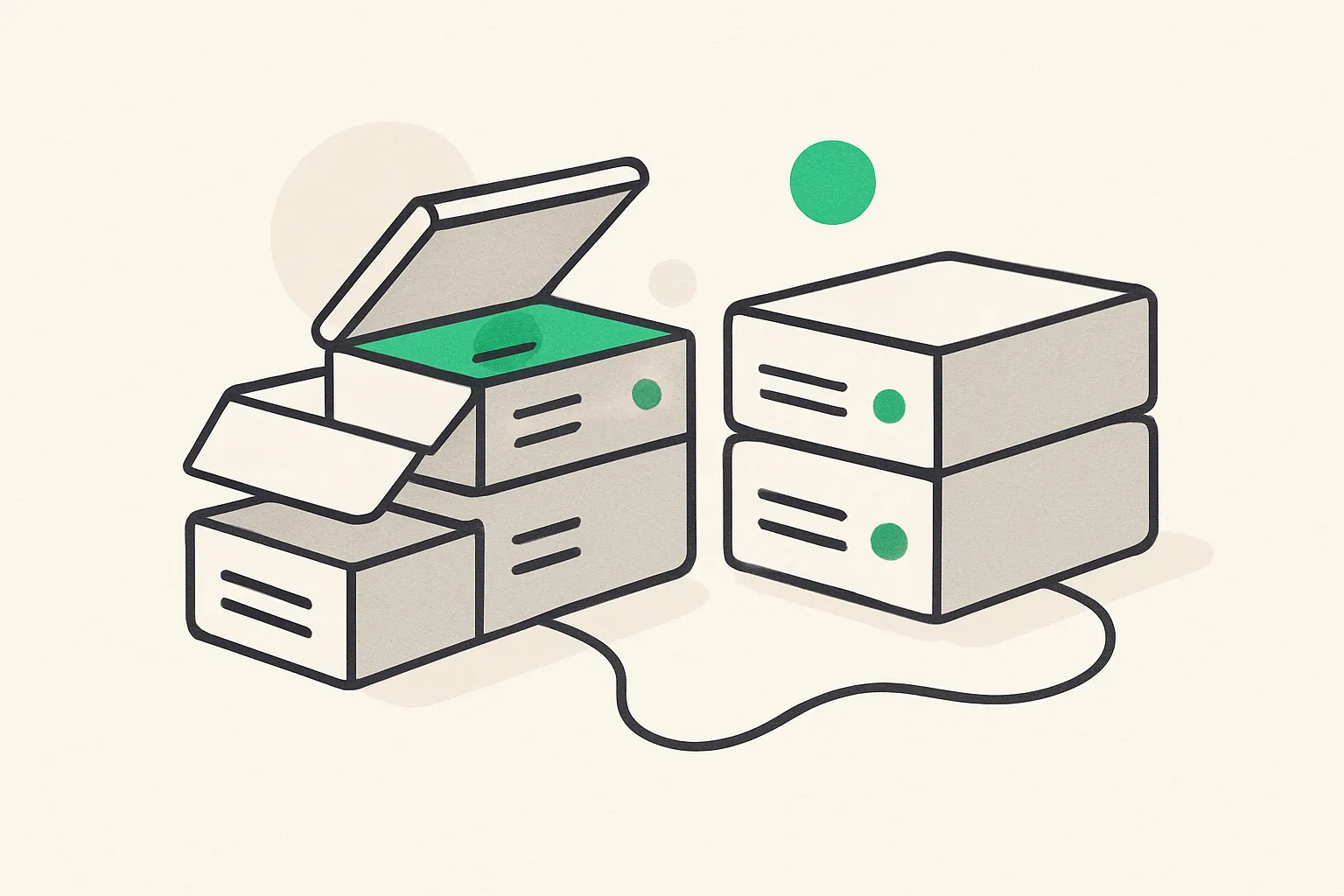 SGLang Consortium vendors feeding roadmap input while maintainers merge open inference code
Summit agenda signals
The SGLang Summit schedule shows hardware and lab keynotes in the same week as the consortium:
- NVIDIA sessions on Vera Rubin bring-up and enterprise NIM.
- AMD fireside and agentic RL workshops.
- Google talks on SGLang-TorchTPU at global scale.
- A Thinking Machines fireside with Soumith Chintala listed on the agenda.
That lineup explains why Inkling 2 Small weight release and SGLang support landed in the same news cycle—the lab is both a large deployment and a summit participant.
Why inference consortiums appear now
Training captures headlines; inference captures margin. As open-weight models like Inkling 2 Small and Baidu ERNIE Flash push serving costs down, vendors fight on efficiency per watt:
| Player | Incentive |
|---|---|
| NVIDIA / AMD / Intel | Keep decode kernels and schedulers off proprietary silos |
| Google / Meta | Shape multimodal and TP-heavy paths they run at scale |
| Cloudflare / Modal | Edge and burst inference without forking every release |
| RadixArk | Specialist infra tying into open serving |
Deloitte's two-thirds inference stat in consortium messaging is vendor-cited, not independently verified here—but directionally matches buyer conversations we track in Bedrock cost guides.
What builders should do this month
- Pin SGLang versions in production; consortium work will land as rapid releases near summit announcements.
- Test your model card on both plugin and non-plugin paths if you run AMD or NVIDIA monokernels.
- Watch maintainer blogs for breaking scheduler changes—vendor quotes are marketing; merge commits are fact.
- If you evaluate Inkling 2 Small, budget 500 GB+ VRAM per the model card and plan SGLang or vLLM bring-up time—not laptop inference.
 SGLang open inference stack with maintainers guiding vendor contributions
Comparison: consortium vs foundation
| Model | Who merges code | Who pays |
|---|---|---|
| SGLang Consortium | SGLang maintainers | Members fund engineering time |
| PyTorch Foundation | PyTorch maintainers | Multi-vendor board |
| Closed NIM stack | NVIDIA | NVIDIA customers |
The consortium is lighter weight than a foundation—faster to stand up, fewer legal layers, but less formal stakeholder representation for small labs.
Limits and honest unknowns
- Business Wire is a primary distribution channel here; LMSYS's own blog post was not separately fetched in this run.
- No benchmark table ships with the consortium announcement—it is governance, not performance claims.
- Microsoft is named as a large user but not listed as a founding consortium member in the release text reviewed here.
SGLang vs vLLM in the consortium era
Many teams still ask whether to standardize on SGLang or vLLM. The consortium does not settle that debate; it signals that large buyers want SGLang's roadmap predictable across vendors.
| Factor | Consortium-era SGLang angle | vLLM angle |
|---|---|---|
| Vendor co-funding | Formal roadmap forum | Informal contributor graph |
| Plugin kernels | sgl-amd-mono, NVIDIA Mega | Different extension model |
| TPU story | SGLang-TorchTPU sessions at summit | Google stacks may prefer custom paths |
| Thinking Machines Inkling | Listed runtime at weight release | Also listed on model card |
Our vLLM vs SGLang comparison predates the consortium; re-run benchmarks after summit releases rather than assuming October numbers.
Summit workshops worth tracking
The summit agenda lists hands-on blocks that often preview merge-bound features:
- NVIDIA workshops on Miles RL with SGLang.
- AMD vs NVIDIA performance comparisons with Crusoe.
- Nebius sessions on agent task speedups.
- Google talks on fleet-level inference and llm-d.
Workshop code sometimes lands as draft PRs before blog posts. If you maintain a fork, track those PRs instead of vendor keynote slides.
Deployment checklist after November 12
- Read consortium public updates after each semiannual roadmap meeting—dates not announced yet.
- Pin Docker images for SGLang servers; summit week merges can be fast.
- Re-test MoE models you serve; Inkling-scale MoEs stress routing code paths.
- If you use sgl-muse-mega, verify plugin compatibility with the core revision you pin.
- Budget quantization paths—Inkling ships NVFP4 native checkpoints.
What people are asking
Is this the end of open source SGLang? Public materials stress the opposite: maintainers keep merges, community stays open.
Will NVIDIA kernels stop being plugins? No signal of that in the consortium announcement; NVIDIA quotes emphasize open inference software, not repo capture.
Should startups join the consortium? Only named founders appear in the release; smaller labs should still contribute via GitHub unless LMSYS opens membership later.
Does Meta joining mean Llama only on SGLang? Meta remains multi-stack; consortium membership is inference prioritization, not exclusivity.
Enterprise procurement angle
Buyers writing 2027 RFPs can reference the consortium as governance evidence—similar to how PCI or FedRAMP attachments signal maturity. It is not a certification. It helps procurement ask: "Which roadmap items affect our model list?"
Couple that question with cost modeling from Bedrock inference profiles if you mix cloud APIs and self-hosted SGLang.
Reading the Deloitte inference fraction carefully
Consortium messaging cites Deloitte for inference reaching ~two-thirds of AI compute in 2026. That statistic is vendor-collected in press materials, not reproduced with primary Deloitte tables in this run.
Use it as directional budgeting guidance: even if the exact ratio drifts, serving cost dominates most product unit economics once training checkpoints exist. Open-weight releases such as Inkling 2 Small shift spend from API rent to GPU depreciation—the consortium exists because that shift hurts whoever lacks efficient kernels.
If you operate multi-vendor GPU fleets, ask your account teams which consortium workstreams touch your model list this quarter. Empty answers mean you should rely on open GitHub milestones, not press releases, for roadmaps.
RadixArk and Modal joining as founders also signals that burst and specialist hosts want parity with hyperscalers in scheduler decisions. That matters if you deploy SGLang on ephemeral GPU fleets rather than fixed clusters—your failure modes are cold start and preemption, not only tokens per second. Track their summit session notes when teams publish them publicly online.
Bottom line
The SGLang Consortium is open inference industrial policy: vendors coordinate on roadmap, maintainers keep the repo. For teams shipping agents on open weights, it is the institutional counterpart to plugin kernels and multi-vendor GPU fleets.
Update — November 12, 2026: AWS shipped SGLang-Neuron on Trainium with the same SGLang server API on Trainium3.
Related reading
- SGLang vendor plugin system
- Inkling 2 Small weights and SGLang support
- SGLang Muse Mega plugin on GB300
- AWS Bedrock inference cost choices
- Nemotron bolt elastic inference
- Microsoft 365 outage and Copilot dependency
Consortium details reflect LMSYS/Business Wire and SGLang Summit pages as of November 12, 2026.