



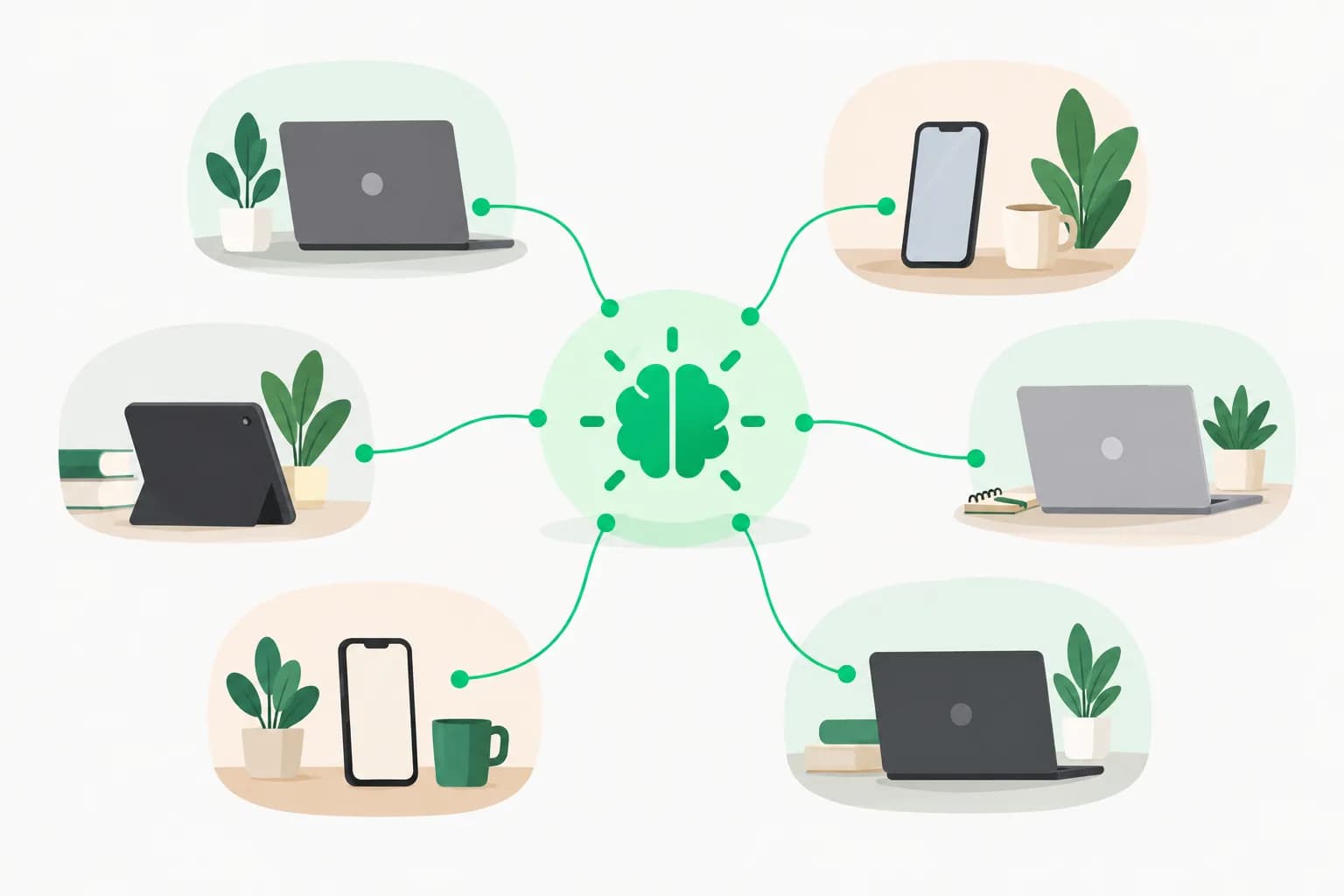
Microsoft Technology Licensing filed a U.S. patent that describes training AI models on spare graphics cycles from opted-in gaming PCs, laptops, and phones. Publication US 2026/0349820 A1—summarized with figures on Patentlyze from official USPTO records—went public on November 5, 2026 with the title Opportunistic Micro-training on Edge Devices Using Spare GPU Utilization. It is not a product roadmap from Microsoft, and we found no Windows, Xbox, or Azure blog post announcing payouts.
For ML engineers staring at GPU queues, the idea is familiar: split a giant backward pass into pieces that fit consumer cards, ship them over the network, and stitch gradients back together. What's new in the filing is the consumer contract: thermal guardrails, reputation scoring for untrusted devices, and credits or cash for owners who lend idle silicon.
TL;DR — confirmed vs rumored
| Item | Status |
|---|---|
| Publication US 20260349820 A1 on Nov 5, 2026 | Confirmed via Patentlyze's USPTO-backed summary |
| Applicant Microsoft Technology Licensing, LLC; filing date Apr 30, 2025 | Listed on the same summary page |
| Inventor Aditya Vasanth CHALLAPALLY cited | Listed on Patentlyze |
| Opt-in participation before GPU work | Described in patent abstract quoted by Patentlyze |
| Shipped Microsoft program paying gamers | Not confirmed |
| Payout rates, supported GPU SKUs, electricity math | Not in official product docs |
What the filing proposes
Patentlyze quotes the application abstract: the system monitors edge devices, decomposes training into independently trainable micro-tasks by analyzing model dependencies, and picks split points using communication cost, memory overhead, and data locality. In plain language, an orchestrator builds a dependency graph of the neural net, hunts for cut points where activation traffic stays small, and ships each slice to a device that currently has headroom.
Reported mechanics from the same summary include:
- Capacity sensing — track GPU utilization, memory, temperature, power, and how aggressively to poll when the machine is busy.
- Idle forecasting — blend a neural guess, Bayesian forecast, and trend line to predict when a PC will be free (overnight, lunch break, or matchmaking queue).
- Task sizing — smaller micro-batches for devices that drop offline unpredictably.
- Verification — compare returned tensors across devices; weight contributors with reliable histories higher.
- User compensation — track computation contributed and apply credits redeemable for software, access to the trained model, or money (wording in summaries of the filing, not a live price sheet).
Secondary explainers such as PBX Science's breakdown stress that the document is design only: formulas, not benchmarks from a real fleet of stranger GPUs.
 Desktop gaming setup with illuminated GPU case fans, illustrating consumer graphics hardware the patent targets
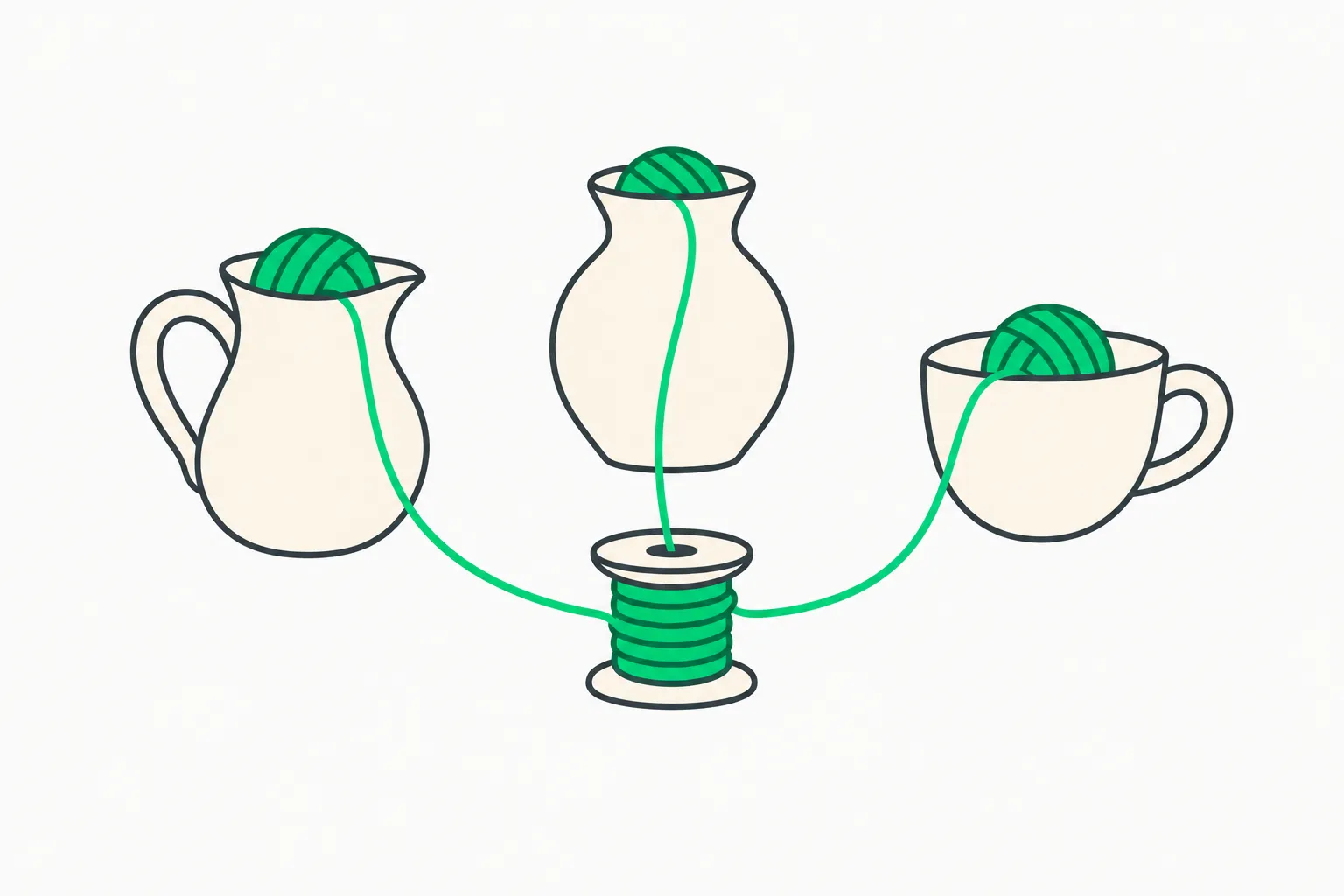 Edge devices linked to a central orchestrator, illustrating federated micro-task training across opted-in PCs
Why Microsoft might want idle gaming silicon
Training frontier models still concentrates work in megawatt data halls, but every lab feels HBM and power caps. A patent that formalizes edge micro-training does three strategic jobs for Microsoft even before code ships:
| Strategic angle | Practitioner read |
|---|---|
| Capacity story | Signals interest in brokering compute beyond Azure regions |
| Windows ecosystem lock-in | Could tie rewards to Microsoft accounts, Game Pass, or Copilot credits |
| IP moat | Blocks rivals from shipping identical consumer mesh products without licensing talks |
None of that is confirmed product intent—it is inference from who filed and how broad the claims read. Compare with NVIDIA PAIR's open home-cluster pitch, which targets enthusiasts who already trust each other. Microsoft's version imagines thousands of anonymous desktops, which forces the fraud and verification chapter of the patent to carry real weight.
If you run fine-tunes today, this changes nothing about your Friday night job queue. It may matter in two years if Windows adds a toggle that says “help train a foundation model while idle” next to Xbox background downloads.
Thermal, power, and the electricity reality check
Patent language about pausing when hot does not erase physics. Summaries and explainers note that extra AI load still draws watts. PBX Science walks through an illustration: 250 W extra for four hours a day adds roughly 30 kWh per month; at $0.35/kWh that is about $10.50 before any reward. Real numbers depend on card TDP caps, duty cycle, and local tariffs.
Builders evaluating future APIs should assume:
- Users will do napkin math before opt-in persists.
- Laptop batteries may veto participation entirely unless plugged in.
- Datacenter SLAs will not trust consumer meshes for production training without extreme redundancy—the patent's cross-check loop is an admission of that mistrust.
Our semantic caching cost guide shows how teams already chase marginal cents on inference; consumer training rebates would need to beat electricity + wear to avoid backlash.
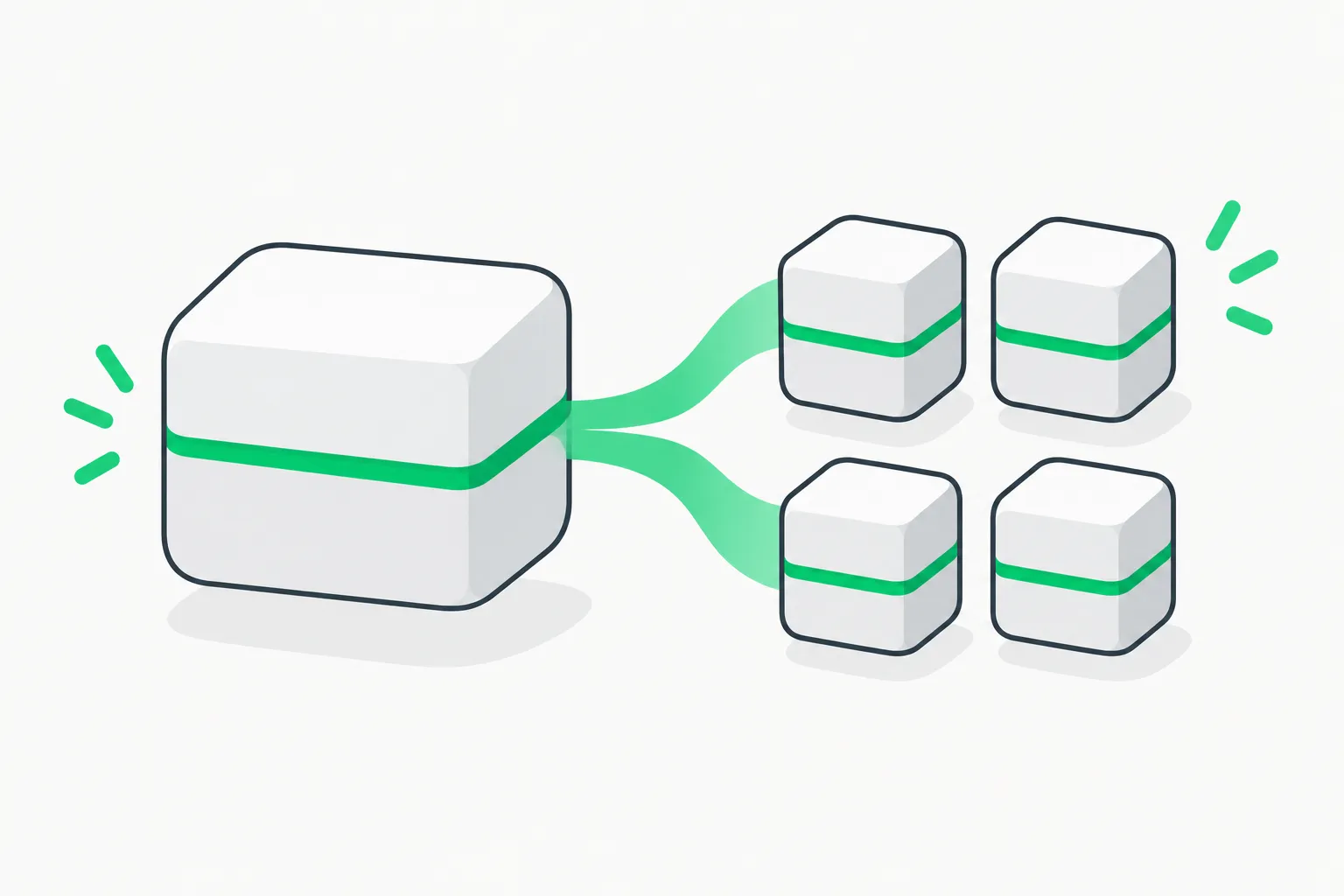 A model workload split into shard boxes, mirroring how the patent cuts training into micro-tasks
Trust, cheating, and federated-learning overlap
Distributed training on untrusted nodes is its own research area. The filing's answer—replicate micro-tasks, compare outputs, and score devices—is closer to federated learning with auditing than to a naive SETI@home clone.
Implications for security-minded teams:
- Poisoned gradients from malware-rigged PCs could still slip through if verification samples are sparse.
- Model weights crossing home NATs raise export-control questions when the trained model is controlled or dual-use.
- Privacy: the summary emphasizes spare cycles, not whether intermediate activations could leak training data across owners—something regulators will ask if Microsoft ships this.
Read alongside our AWS Bedrock AgentCore layer cake post only at the metaphor level: both are about splitting work across untrusted hosts, but agents move tokens, while this patent moves tensor shards.
Patent vs product — what Hacker News readers flagged
A Hacker News thread on the VideoCardz summary drew modest comment volume. User fuzzfactor argued that even if Microsoft never ships the feature, a granted patent can discourage third parties from building “opportunistic micro-training on edge devices” without a license—classic defensive IP strategy. That is speculation about enforcement, not a statement from Microsoft.
We did not treat the comment as fact. It is a reminder for open-source maintainers exploring home GPU mesh trainers: check claim breadth before you name a repo after the exact phrase in the title.
How this compares to other Microsoft AI infrastructure bets
Microsoft's recent patent flurry also includes live speech-and-lip rewrite ideas we covered in patent US 20260341309. That filing worries trust and consent on video; this one worries economics and thermals on silicon.
On the Azure side, enterprises already rent H100 blocks through contracts described in our CoreWeave and Wayve training deal coverage. A consumer mesh would sit at the opposite end of the SLA spectrum—cheap, messy, optional.
Windows, Xbox, and Azure — where a product might land
Nothing in the USPTO publication ties the mesh to a specific SKU. Still, three integration surfaces are easy to imagine, and each has different stakes for developers:
| Surface | If Microsoft ships here | Builder impact |
|---|---|---|
| Windows Settings | Opt-in toggle beside power modes | Apps must expose GPU budget APIs so training yields when players launch games |
| Xbox companion app | Rewards for overnight Series X | S idle time |
| Azure orchestration | Broker between cloud training jobs and consumer overflow | Enterprise jobs might spill to consumer GPUs only with legal indemnity clauses |
Microsoft could also choose licensing-only strategy: collect royalties from third-party federated trainers without shipping a toggle. That matches the HN skepticism about defensive patents. Until an Ignite or Build session shows code, treat every row in the table as scenario planning.
Game developers already fight background DRM and anti-cheat hooks that grab GPUs. Any training daemon would need to lose politely to full-screen exclusive modes and to GPU scheduling on Windows 11. Patent text acknowledges backoff; shipping engineers still must prove 1% frame-time regression tests pass esports titles.
Data residency and model weights crossing the edge
Micro-tasks necessarily move gradients or activations across the public internet. The filing's cost function minimizes communication bytes, but it does not eliminate them. For regulated teams:
- HIPAA or EU health data cannot ride a consumer mesh without new DPAs nobody has drafted.
- ITAR or EAR-controlled models may make foreign residential GPUs a non-starter regardless of verification math.
- Open-weight communities might love the idea for community fine-tunes where weights are public anyway.
Compare with on-device adapters in phone NPUs, a different axis of edge AI we touched when Apple shipped usage packs for creative prosumer apps. Phones appear in the patent's device list; battery wear there is even more politically sensitive than desktop fans.
What builders should do this week
- Do not redesign pipelines around gamer payouts. Keep using cloud GPUs, vLLM-style inference stacks, or trusted on-prem racks.
- Watch USPTO grants, not blogs. If Microsoft narrows claims or publishes continuation filings, that signals legal follow-through.
- Document opt-in UX if you experiment with volunteer compute inside your own community—thermal limits, kill switches, and logged watt-hours build trust before any big tech broker appears.
- Compare economics if you run a gaming café or esports arena: idle overnight fleets might someday be monetized, but only if rewards beat power and hardware wear.
Related reading
- NVIDIA PAIR: distributed home AI cluster
- Microsoft live speech rewrite patent
- Semantic caching for LLM cost control
- CoreWeave Blackwell training for driving models
- AWS Bedrock AgentCore seven-layer stack
- Building vLLM from scratch (CUDA mental model)
Sources
- Patentlyze summary of US 20260349820 A1 with publication date November 5, 2026 and USPTO abstract quotations.
- PBX Science explainer on payouts and electricity, November 2026.
- Hacker News discussion of the idle-GPU patent story (commenter reports, not verified product plans).